
Economic Mobility Beyond Charity
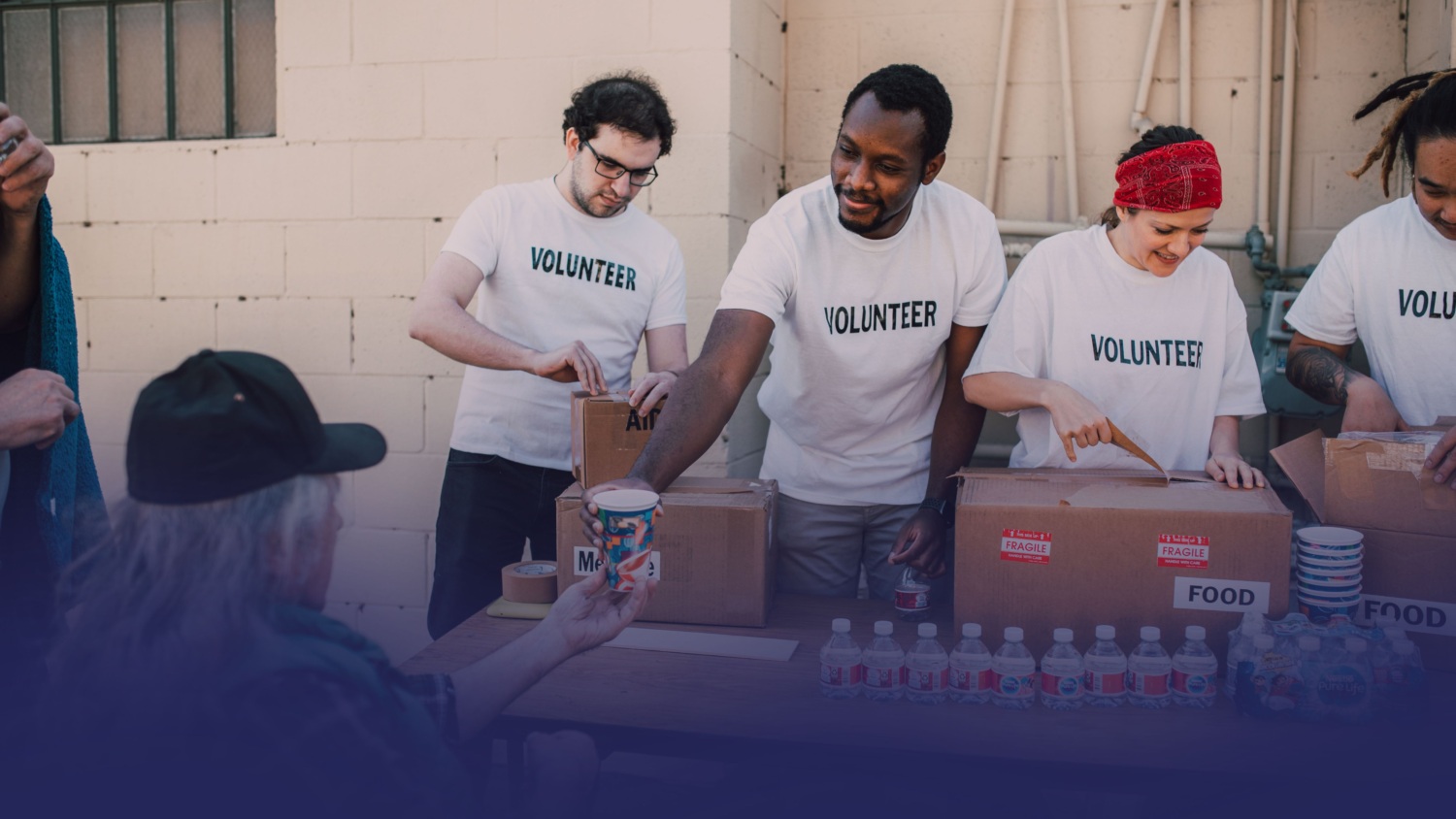
There is an important difference between charity and change. Charity starts with good intentions: a meal served, a donation made, a need met for a moment in time. But real change calls us to look deeper. It challenges us to move beyond generosity and begin building systems that provide people with lasting opportunity and stability.
True equity is not a matter of how much we give, but how well we create the conditions for people to thrive. Economic mobility, the ability for individuals and families to move forward, to build a future, is both a moral and structural challenge. It’s about whether our systems lift people up or hold them back.
This is the kind of work that calls us not just to act, but to rethink how we define help in the first place.
The Limits of Charity
Charity meets urgent needs and can spark compassion in powerful ways. But charity alone is not enough. Too often, it provides temporary relief without addressing the root causes of why the need exists in the first place.
Efforts like donating to a food drive or volunteering at a shelter are incredibly important, as they meet people where they are and provide relief when it’s most needed. But for those of us in positions to influence systemic change, we have a responsibility to go deeper, to tackle the conditions that cause hunger and housing insecurity in the first place. That means creating sustainable access to living-wage jobs and affordable housing that lasts.
True change happens when we pair compassion with strategy. It’s not enough to ease the symptoms of inequality. We have to change the very systems that produce them.
The goal isn’t to feel good about giving; it’s to build communities where giving isn’t the only way people survive.
Economic Dignity in Practice
Economic dignity means more than financial security; it means being able to stand on stable ground. It’s the freedom to not just get by, but to participate fully in community life.
The Same House continues to invest in efforts that restore community and expand opportunity through collaboration and service. The Beloved Benefit honors and invests in groups working to strengthen our neighborhoods, from supporting education to creating jobs that offer real mobility. From programs that prepare young people for careers to community initiatives that increase access to housing and healthcare, these efforts all share the same belief: that people deserve not just short-term charity but help in creating a stable future of their own.
At The Same House, every program, every event, every relationship is rooted in the belief that everyone deserves the chance to thrive within the house we all share.
Aligning for Impact
No single sector can solve the challenge of economic mobility alone. Business leaders, government agencies, faith organizations, and community groups each hold a vital piece of the puzzle.
When government leaders focus on policies that ensure access to affordable housing, education, and healthcare, it lays the groundwork for lasting change. When faith and community organizations offer mentorship, connection, and hope, they remind us of our shared humanity.
Alignment across sectors and across our differences is how we move from single moments of impact to systems of change. Dignity-centered approaches are what strengthen communities. They make our economy and our collective future more resilient.
From Charity to Change
As we look around our own communities, I ask that you take a moment to consider: Where can my skills, time, or resources help dismantle barriers to economic and social mobility?
Progress begins when we act with purpose, not just with generosity, but partnership, commitment, and respect.