
Laying the Foundation – The Importance of Unity and Respect
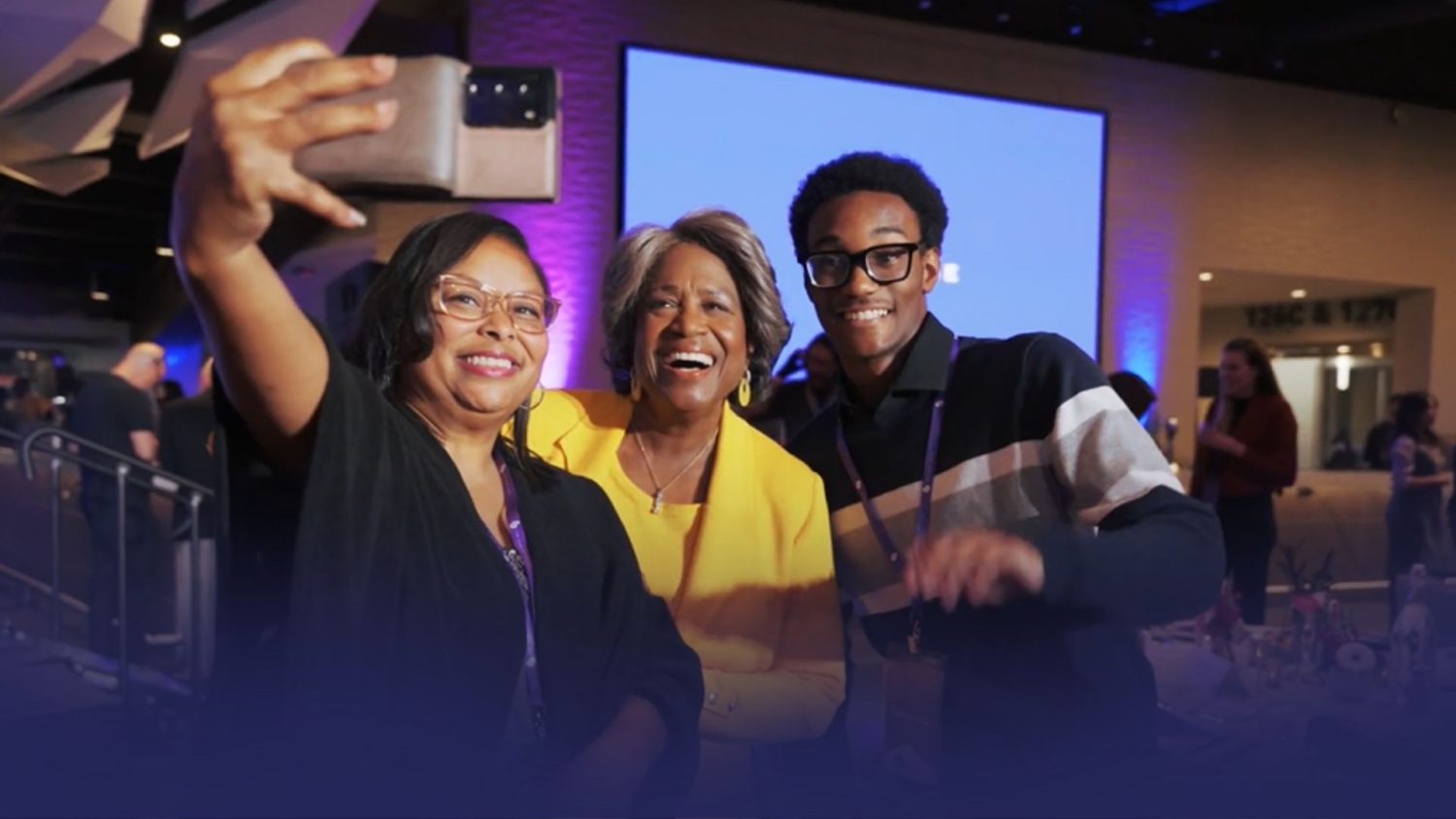
A strong house begins with a solid foundation. Unity and respect are the cornerstones of the Same House concept, and without them, the structure cannot stand.
As we enter a new year, it’s a time of renewal and reflection—a perfect opportunity to revisit two of the core principles that underpin the Same House philosophy: unity and respect. These two elements form the bedrock of any thriving community, much like a house depends on a strong, unshakable foundation to endure the tests of time and adversity. Without unity and respect, the structures we build—whether in our relationships, organizations, or neighborhoods—become fragile and vulnerable to collapse.
Unity: The Essential Glue That Binds Us Together
Unity is the collective strength that arises when individuals come together to pursue a common purpose. It requires setting aside personal differences to embrace shared values and goals. In the context of the Same House, unity means recognizing that we are all interconnected—our lives, aspirations, and struggles are interwoven in ways that demand cooperation rather than division.
Unity doesn’t imply uniformity; rather, it celebrates diversity while fostering collaboration. It acknowledges that our differences can be a source of strength when combined with mutual respect. Imagine a community where everyone understands their unique role in building something greater than themselves—a community where individuals contribute their talents and ideas to strengthen the collective whole.
The challenges of the past few years—whether economic uncertainties, global health crises, or social divisions—have made it clear that unity is not optional. It is a necessity for overcoming obstacles and thriving together. By committing to unity, we build a foundation that can support not just the present, but the generations to come.
The Interplay of Unity and Respect
Unity and respect are not standalone concepts—they are deeply intertwined. Unity cannot thrive without respect, as it relies on the ability to work alongside others with different backgrounds, opinions, and experiences. Similarly, respect without unity can lead to isolated efforts that lack the power to create meaningful, systemic change.
Consider the construction of a house. Each part—foundation, walls, roof—has a unique role, yet they must all work together seamlessly. Unity is the coordinated effort of the builders, the shared vision that guides the construction process. Respect is the care and precision with which each component is designed and assembled. Together, they create a structure capable of weathering storms and providing shelter for all who enter.
What Does Unity and Respect Mean in the Same House?
Unity is the strength of individuals working together toward a common goal. Respect, meanwhile, is the glue that holds unity together, allowing us to value diverse perspectives and foster an environment where everyone feels seen and heard.
As we step into this new year, let us collectively commit to laying this foundation of unity and respect. This commitment starts with small, intentional acts: reaching out to neighbors we may not know well, finding common ground with those we may disagree with, and approaching every interaction with empathy and kindness.
Building the Same House is not a solitary endeavor; it is a shared responsibility. By grounding ourselves in the principles of unity and respect, we can create communities that thrive on collaboration, understanding, and mutual care. Just as a house built on a strong foundation stands firm through the years, so too will the bonds we forge in our Same House endure, shaping a brighter future for all.
Action Steps for Readers:
- Reflect on how you interact with others—are you building bridges or creating barriers?
- Start the year by committing to respectful dialogue in your workplace, home, or community.
Takeaway:
Just as the World Cup united people across the globe, the Same House thrives when we come together with unity and respect. This foundation ensures our collective success.
Building a Legacy – Reflecting on 2024 and Looking Ahead
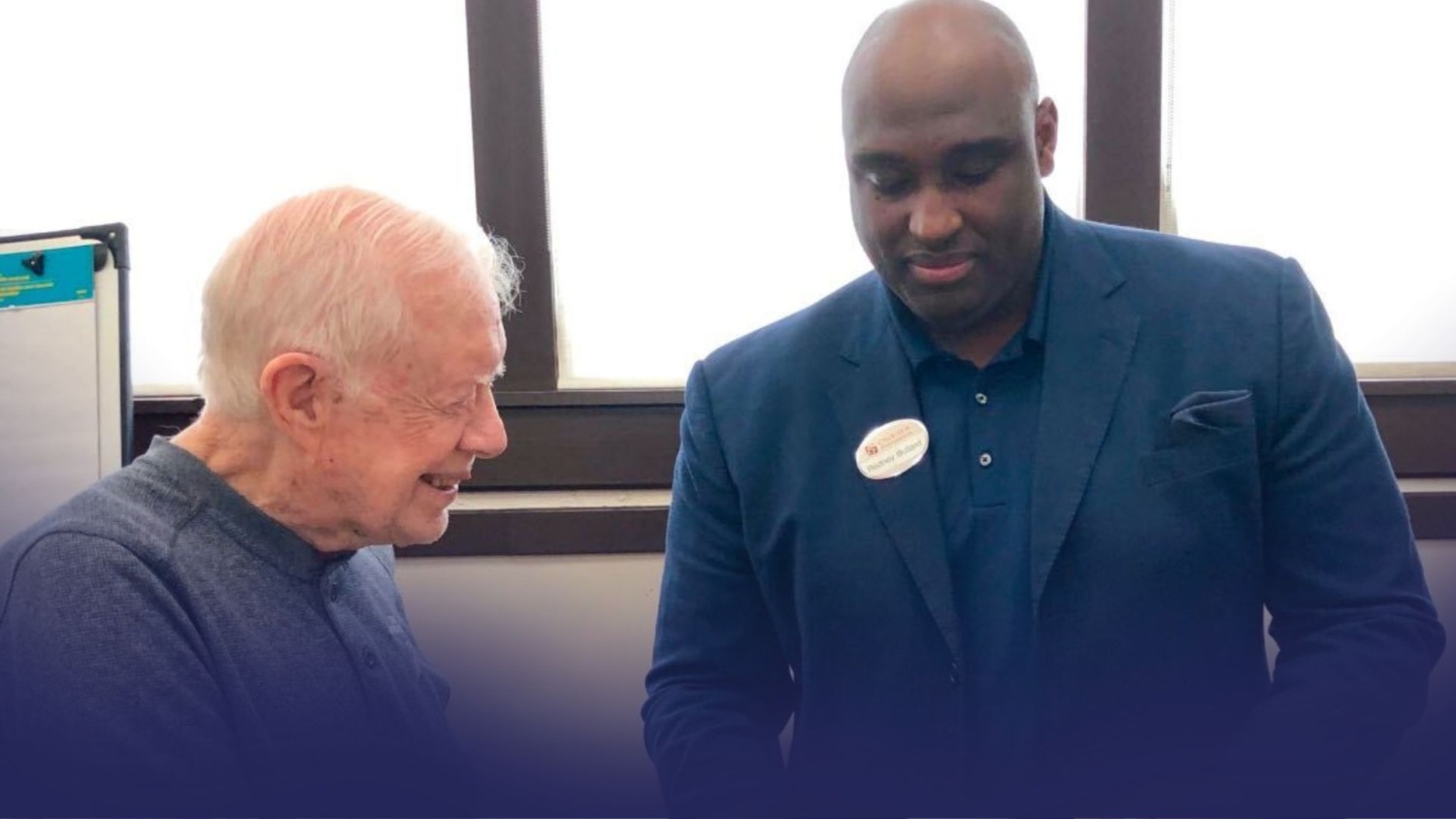
Celebrating the wins, learning from challenges, and setting intentions for the future
As 2024 comes to a close, we reflect on the progress made and the impact created through collective action, purposeful leadership, and a commitment to service. Through the Same House Initiative and the inspiring work of the Beloved Beneficiaries, we’ve built momentum for even greater success in 2025.
This year, we also honor the life and legacy of President Jimmy Carter, who passed away at the age of 100. In a world often swayed by grand promises and loud voices, his calm wisdom was a guiding light. His life of love, compassion, and service continues to inspire us all. President Carter showed us that true leadership lies in humility and selfless commitment to others. His legacy reminds us to lead with purpose and heart in all that we do.
To Jason Carter and the Carter family, we offer heartfelt condolences. May President Carter’s life continue to guide us in building a better world together.
Reflecting on 2024: What We’ve Achieved
Highlights from the year include:
- Mentorship Programs: Through Youth Lead Georgia and our partnership with the Boys and Girls Club of Atlanta, hundreds of young people have been mentored and connected to new opportunities.
- Healthcare Initiatives: Organizations like Hillside, Inc., Chris180, and Silence the Shame expanded access to mental health care, addressing disparities and supporting underserved communities.
- Economic Empowerment: First Step Staffing, the Russell Center for Innovation, and the Urban League of Greater Atlanta created pathways to economic mobility and provided resources to help individuals succeed.
- Housing Initiatives: Westside Future Fund continued creating housing opportunities on Atlanta’s westside, restoring a sense of belonging and honoring the community’s history.
- Expanding Collective Action: Tables Across America brought communities together across the nation, fostering collaboration and shared purpose.
Lessons Learned
- Progress Takes Time: Real change requires patience, persistence, and a long-term vision.
- Collaboration is Essential: Every success this year came from the power of partnerships. Together, we achieve more.
- Everyone Has a Role to Play: Whether as a volunteer, donor, or leader, every contribution matters.
Setting Intentions for 2025
Our focus remains on building a community where everyone belongs by:
- Supporting the Beloved Beneficiaries to expand their impact.
- Extending the Same House Initiative into more communities.
- Inspiring others to step into leadership roles and drive positive change.
Call to Action
- Reflect: Celebrate your contributions and consider how to deepen your impact in 2025.
- Engage: Connect with local organizations and find ways to give back.
- Commit: Resolve to lead with purpose and inspire others through your actions.
As we look ahead, we remain inspired by the legacy of leaders like President Jimmy Carter and motivated by the accomplishments of 2024. Together, we can make 2025 a year of greater progress, connection, and impact.
Wishing you a Happy New Year filled with purpose, joy, and meaningful moments! Let’s continue building a legacy of love and service.
Happy Holidays from The Same House!
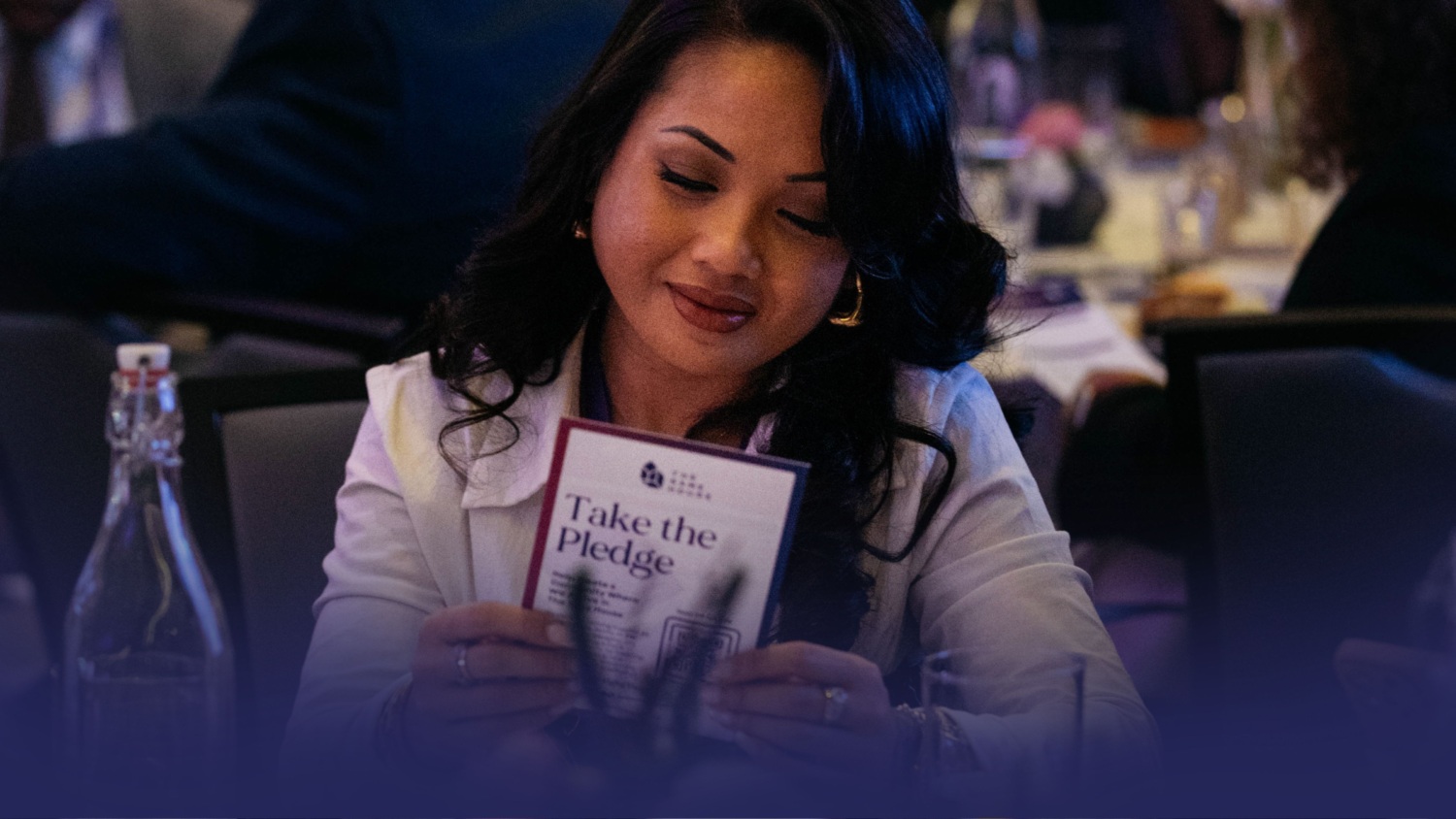
Happy Holidays from the Same House!
As the year draws to a close, we want to take a moment to wish you joy, peace, and connection during this festive season. The spirit of giving is all around us, and we’re thrilled to share stories of hope and impact that remind us of the power of community.
The Spirit of Giving in Action – Highlighting the Beloved Beneficiaries
At the core of the Same House ethos is a commitment to recognizing and supporting those who dedicate their lives to creating meaningful change. This year’s 2025 Beloved Beneficiaries represent a coalition of organizations that exemplify generosity, purpose, and innovation. These organizations aren’t just responding to problems—they are crafting sustainable solutions to address systemic issues in their communities.
Why the Beloved Benefit Beneficiaries Matter
The Beloved Benefit Beneficiaries program was designed with the belief that philanthropy should be more than one-time donations. It should foster long-term partnerships with organizations that are already making an impact. By amplifying their work, we create a ripple effect that reaches further into underserved communities and lays the groundwork for a brighter future.
These organizations are tackling challenges across education, housing, employment, healthcare, and more. They are proving that when we give with intention and work together, we can achieve results that extend far beyond our individual capabilities.
Spotlight on the 2025 Beneficiaries
- Atlanta Technical College has transformed lives by equipping students with technical and career skills that lead to economic independence. Their programs not only address workforce gaps but also empower individuals to achieve financial stability. This approach has ripple effects, benefiting families and entire communities.
- Big Brothers Big Sisters Atlanta demonstrates the power of mentorship by pairing young people with mentors who provide guidance, encouragement, and opportunities. Mentorship isn’t just about improving individual outcomes; it’s about building a stronger community, one relationship at a time.
- City of Refuge offers everything from housing and job training to mental health support in Atlanta’s most underserved neighborhoods. Their holistic approach ensures that they address immediate needs while creating long-term pathways to success.
- Latin American Association provides critical resources like legal assistance, language services, and job training to Atlanta’s growing Latino population. They build bridges between cultures, fostering inclusivity and empowering families to thrive.
- Morehouse School of Medicine trains the next generation of diverse healthcare professionals to address persistent disparities. Their work ensures that underserved communities have access to compassionate, quality care.
- New Life Community Alliance strengthens families by offering education programs, housing assistance, and other essential resources. Their family-first approach recognizes that strong families are the foundation of strong communities.
- Partners for Home collaborates with nonprofits, businesses, and local governments to provide housing solutions and critical support services for those experiencing homelessness. Their work exemplifies the power of partnership and collective action.
- Westside Future Fund revitalizes historic neighborhoods by promoting equitable development and preserving cultural heritage. Their work is a testament to the importance of economic mobility and community preservation.
Lessons from the Beneficiaries
These organizations teach us profound lessons about the power of collective action:
- Collaboration is key: none of these organizations work alone. Their success is rooted in partnerships that amplify their reach and impact.
- Leadership is service: the leaders behind these organizations focus on empowering others, proving that true leadership is about lifting people up.
- Sustainability matters: these organizations address root causes, ensuring their efforts create long-lasting change.
How You Can Support the Beloved Beneficiaries
Take The Same House Pledge and embrace the Three C’s: Connect, Create, and Contribute.
- Connect: build bridges by reaching out to these organizations and others like them. Learn their stories and share their work within your community.
- Create: join forces with others to develop new ideas, partnerships, or solutions that can amplify their impact.
- Contribute: offer your time, resources, or financial support to help sustain and expand their life-changing programs.
By taking the pledge, you join a movement committed to long-term collaboration and meaningful change.
Looking Ahead
As we prepare for 2025, let’s celebrate the work of these incredible organizations and recommit ourselves to building a stronger, more connected house. Together, we can ensure that their efforts continue to grow, thrive, and inspire others to join the movement.
With Gratitude
Thank you for being an essential part of the Same House. Your support, whether through giving, advocating, or volunteering, makes everything we do possible. Wishing you and your loved ones a joyful holiday season filled with warmth and hope. Let’s continue this journey together into the new year!
Warm regards,
Rodney Bullard
CEO of The Same House
Empowering Communities: The Role of Economic Mobility in Sustainable Change
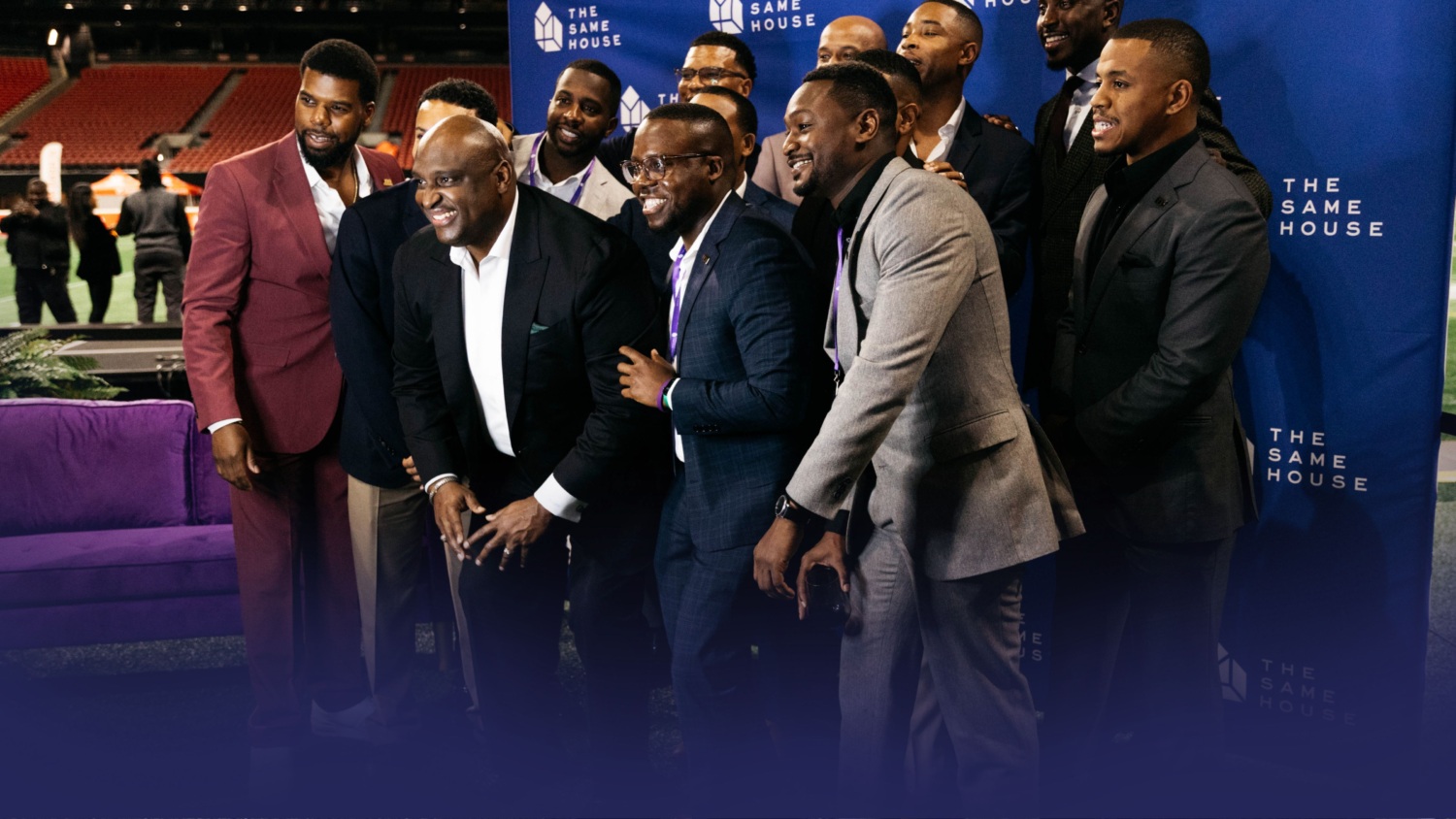
Imagine a community where every dollar invested doesn’t just provide temporary relief but sparks a ripple effect that carries through generations. This is exactly what a holistic approach to economic mobility can achieve, with efforts that go beyond quick fixes to empower people to forge their own paths. While philanthropy often starts with addressing urgent needs, sustainable change requires us to dig deeper and invest in pathways that spark a ripple effect of progress.
From job training to financial literacy and community networks, each piece of the puzzle plays a role in laying the groundwork for communities to achieve lasting impact. When we commit to this broader vision, we empower people to not only break free from cycles of poverty but to become active participants in their growth, passing down opportunities for generations to come. For those working in areas directly tied to economic empowerment, whether it’s reducing poverty, increasing access to education, or creating pathways to employment, breaking silos allows for a holistic approach to economic mobility that brings meaningful change.
Take Atlanta as an example: a city celebrated for its rich diversity and entrepreneurial spirit yet grappling with some of the lowest economic mobility rates for its Black residents. Despite being known as the “Black Mecca,” Atlanta has the highest income inequality in the nation, according to recent U.S. Census Bureau data. The median household net wealth for Black families is approximately $5,180, compared to $238,355 for white families – a stark divide that impacts access to economic advancement.
At The Same House, our work is centered on bridging gaps like these. We believe that by investing in economic mobility, we can transform communities from within. Through initiatives like Beloved Benefit and Tables Across America, we bring communities across the nation together to discuss local challenges and create solutions that are responsive to their unique needs. Additionally, with Youth LEAD Georgia, we are investing in the next generation of leaders. The program provides high school students with real-world experiences and hands-on learning to help them prepare for a successful future, both for themselves and for their communities. It is through these programs that we focus on creating opportunities that not only provide immediate support but also lay the groundwork for long-term independence for people in Atlanta and beyond.
So, how can you create this kind of sustainable impact?
How You Can Make a Difference
Here are five strategies for creating sustainable impact, drawn from our work:
- Start with the Root Causes, Not the Symptoms: Addressing symptoms may provide temporary relief, but true change requires us to dig deeper. By targeting root causes like educational disparities, employment gaps, and lack of opportunity, we lay the groundwork for lasting solutions. For example, rather than only providing financial aid to individuals struggling with housing, we should also invest in initiatives that address the reasons behind housing insecurity, like affordable housing shortages and income inequality.
- Invest in Education and Job Training Programs: At The Same House, we recognize the importance of equipping young people with the skills needed for the jobs of tomorrow, not just those of today. We’ve found that programs focusing on high-growth fields like renewable energy, healthcare, and technology offer pathways to stable and rewarding careers. By working alongside corporate, nonprofit, and government leaders, we strive to prepare students for the evolving job market and help them thrive in future-focused industries.
- Promote Financial Literacy for Economic Independence: Economic mobility is about more than just income; it’s also about managing resources effectively. Financial literacy provides individuals with the knowledge to make sound financial decisions, from budgeting and saving to investing and planning for the future. It gives people the tools to make empowered choices, helping them break free from cycles of debt and financial insecurity that often hinder economic progress.
- Build a Network of Lasting Support: Our mission is rooted in Dr. Martin Luther King Jr.’s vision of the “Beloved Community,” where economic mobility is not a singular endeavor, but a shared responsibility. We believe in creating ecosystems where nonprofits, government agencies, schools, local businesses, and tech hubs all collaborate to drive change. Imagine a neighborhood with an interconnected web of resources: a tech training center that partners with local employers, a childcare facility funded by local business sponsors, and healthcare services offered at reduced rates for community members.
- Ensure Progress Through Continuous Learning: At The Same House, we view sustainable philanthropy as an ongoing journey. For our initiatives to remain effective and relevant, we regularly track our progress, gather feedback, and adjust our strategies as needed. By implementing impact assessment frameworks and collecting data from participants and partners, we make sure we evolve right alongside the communities we serve.
Take Action Today
Giving Tuesday is tomorrow and you have the opportunity to be part of transformative change. By taking The Same House Pledge and contributing to our mission, you are investing in economic mobility that empowers communities to thrive, not just for today, but for generations to come.
The 3 Cs of The Same House Pledge
Our mission is guided by The Same House Pledge, a commitment to addressing economic inequity through what we call the 3 Cs: Connect, Create, and Contribute:
- Connect: Meet and learn from people with diverse backgrounds to build communities of belonging.
- Create: Spark new opportunities across economic backgrounds to connect and collaborate.
- Contribute: Your talents and resources to different neighborhoods to understand and enhance their economic opportunities.
This Giving Tuesday, we’re calling on you to take The Same House Pledge and join us in empowering communities for generations to come.
Visit The Same House website to take the pledge and make your contribution. Together, we can create the ripple effects that will carry through lifetimes, transforming our shared “house” into a place of equity, opportunity, and sustainable progress.
Let’s do this—together.
With Hope and Gratitude,
Rodney Bullard
Leading Yourself: The Foundation of Authentic Leadership

“You cannot lead others unless you can first lead yourself.” – John C. Maxwell
As we enter Thanksgiving week, a season rooted in gratitude and reflection, I want to take a moment to thank each of you—members of The Same House, our community sponsors, beneficiaries, and all who engage with our work. Your commitment to our shared vision brings us together in powerful ways. Every act of support and collaboration strengthens our mission and creates impact that’s impossible to achieve alone. I am deeply grateful to each of you for the role you play and for banding together with us in this important work.
Why Leading Yourself Matters
Authentic leadership isn’t about a title or a role—it’s about the intentional way we lead ourselves and the choices we make each day. Leading ourselves requires showing up with integrity, consistency, and care. This foundation allows us to lead others effectively and with genuine empathy. It’s easy to focus only on guiding and pouring into others, but, as John Maxwell says, “You cannot lead others unless you can first lead yourself.”
To be truly present and resilient in leadership, we must prioritize leading ourselves first. This requires a commitment to personal alignment and well-being, and it’s what gives us the strength to face the challenges that come with leadership. As the demands on our time and energy increase, I’m often reminded by my own team: if I neglect to fill my cup, I won’t have what I need to pour into others.
The Challenge of Self-Leadership
Of course, leading ourselves is often easier said than done. When there are so many pressing needs and responsibilities, the temptation is to put ourselves last and keep pouring out for others. But if we allow ourselves to run dry, we compromise our ability to make the impact we’re aiming for. While sacrifice is sometimes necessary, a leader who gives without replenishing eventually finds themselves struggling to give their best.
Filling Your Cup
Leadership that makes a lasting difference is built on the balance of giving and replenishing. When we care for our own physical, mental, and emotional health, we show up for others with clarity, compassion, and conviction. Small but consistent acts of self-care—whether a quiet moment to recharge, a personal reflection, or time with family—are not indulgences. They’re vital aspects of responsible, sustainable leadership. By filling our cups, we’re able to lead from a place of abundance and give our best to others.
Gratitude: The Heart of Self-Leadership
Thanksgiving gives us a chance to step back and refocus on the value of gratitude in our lives. Gratitude is more than a feeling; it’s a powerful act that re-anchors us to what matters most and brings a sense of fullness even in challenging seasons. As John F. Kennedy wisely put it, “As we express our gratitude, we must never forget that the highest appreciation is not to utter words, but to live by them.” Living with gratitude every day enables us to approach our work with joy, optimism, and resilience.
As leaders, when we live with gratitude, we model a mindset of abundance and strength. And by regularly acknowledging our blessings—both big and small—we remind ourselves and others of the meaningful work we’re here to accomplish together.
How to Lead Yourself Well
This Thanksgiving, I encourage each of us to reflect on how we can better lead ourselves. Here are a few ways to start:
Start with Gratitude: Each morning, take a moment to identify three things you’re grateful for. This simple habit has a profound way of shifting perspectives and reminding us of our blessings.
- Set Boundaries: Protect your time and energy for what matters most. Saying “no” to distractions allows you to say “yes” to actions aligned with your values and purpose.
- Prioritize Self-Care: Self-care is not selfish—it’s essential. Carve out time for activities that renew your energy, so you can continue to give to others.
- Reflect on Your Actions: Regularly check in with yourself. Are your actions aligned with your values and goals? Are you taking time to care for yourself? Self-reflection keeps us grounded.
- Embody Gratitude in Action: Gratitude isn’t only about how we feel; it’s about how we act. Use this season to express your thanks through kindness, generosity, and support for others.
Leading with a Full Heart
This Thanksgiving, I am grateful for each of you—for your support, for believing in the mission of The Same House, and for the powerful ways you contribute to our collective work. Let’s not grow weary in doing good, even when the demands are high. As leaders, we’re here to create lasting change, and that requires caring for ourselves as well as those around us.
Leading yourself is the foundation of effective, sustainable leadership. This season, take time to rest, reflect, and lead with gratitude, so you can continue to pour generously into the people and causes that matter most.
Happy Thanksgiving, and thank you for the gift of your partnership and for inspiring each of us to lead with purpose, gratitude, and resilience.
Empowering Everyday Heroes and the Next Generation of Leaders
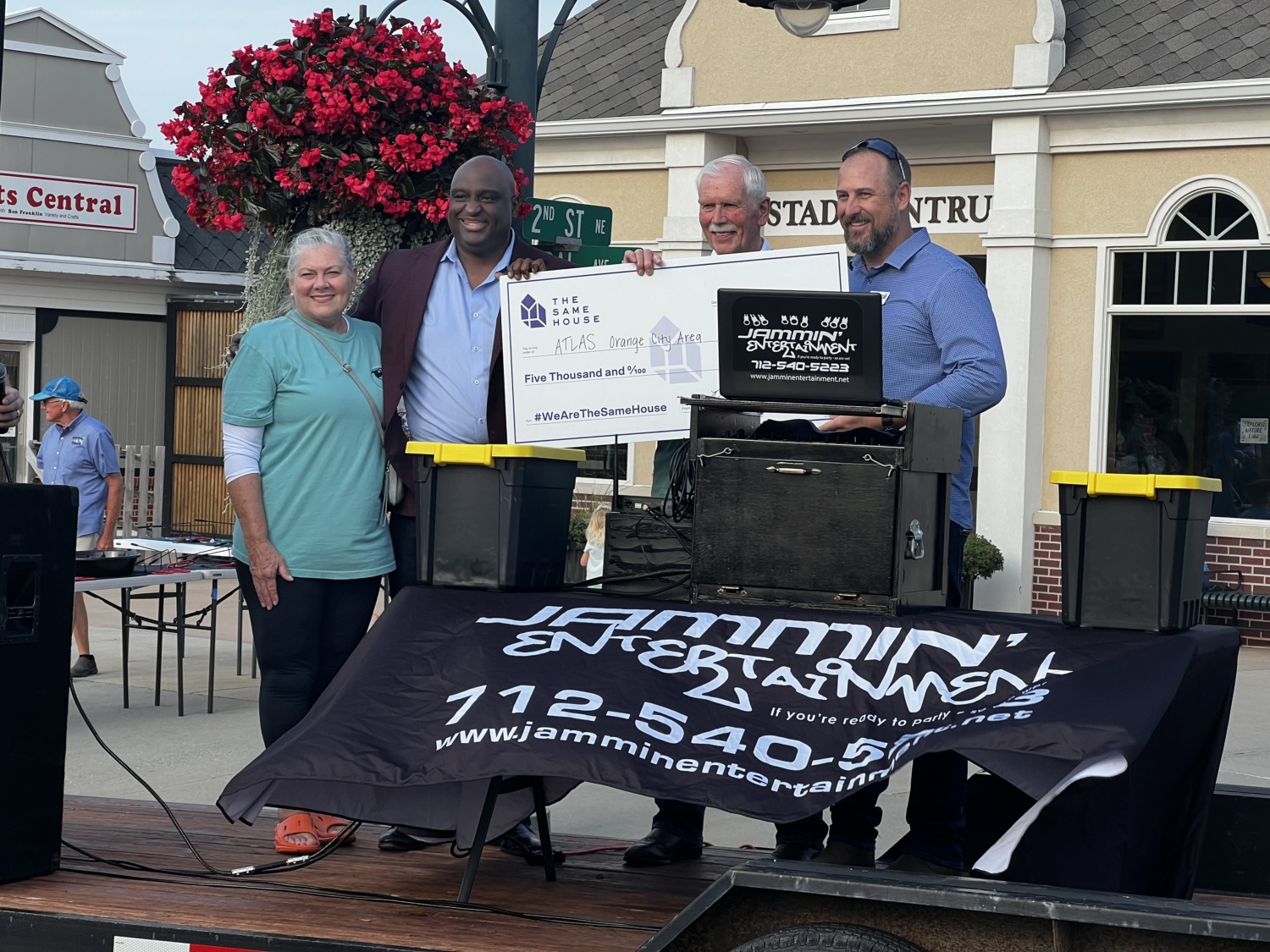
Leadership in action is about more than ideas; it’s about making a tangible impact. True leaders don’t just dream of change—they bring it to life. In this final part of our series, we highlight a real-world example making a profound difference in her community. Change-makers, often unsung heroes, show us what’s possible when passion, vision, and action come together.
Leadership Through Action: Community change-makers see a need and step up to address it. Their leadership is grounded in commitment, creativity, and a deep sense of purpose. These leaders don’t wait for permission—they roll up their sleeves and get to work. They remind us that one person can spark meaningful change, and when communities come together, the impact is multiplied.
The Same House Perspective: At The Same House, we are honored to partner with these inspiring leaders through initiatives like Tables Across America. This program brings together everyday heroes who are working on the front lines of economic mobility and social connection in their neighborhoods. It’s a space for conversation, collaboration, and community-building, where local leaders can share their experiences and solutions to pressing challenges.
Example: Anita’s Story from Orange City, Iowa Take Anita, a local leader in Orange City, Iowa, who saw that newcomers to her small community were struggling to connect with essential resources. With her neighbors, Anita launched Neighbor to Neighbor, an organization dedicated to helping newcomers thrive. They recognized that when new residents feel welcome and supported, the entire community grows stronger. The Same House partnered with Neighbor to Neighbor to host a Tables Across America event, bringing together community leaders to further support their efforts. Through this partnership, we helped launch new initiatives that fostered stronger social ties and increased access to resources for everyone.
The Power of Collaboration: Leaders like Anita remind us of the importance of collaboration. She didn’t act alone—her success was made possible through partnerships with neighbors, local businesses, and other community groups. This is the essence of leadership in action: bringing people together to solve problems and create a shared vision for the future.
Lessons from Everyday Heroes: What can we learn from leaders like Anita? First, leadership requires a bold first step. They didn’t have all the answers when they started, but they had the courage to take action and figure things out along the way. Second, leadership thrives on collaboration. Both Sarah and Anita partnered with others to amplify their efforts. Finally, leadership is about persistence. They faced challenges, but their unwavering commitment to their communities kept them moving forward.
Key Takeaways:
- Leadership is about taking action, even when the path isn’t clear. Courage and initiative are what move ideas into reality.
- Community change-makers drive progress by fostering collaboration. They bring people together to work toward a shared goal, inspiring others to get involved.
- We can all be leaders in our own way—whether it’s through small acts of service or larger initiatives that transform communities.
Actionable Steps:
- Identify a need in your community that speaks to you and take the first step to address it. Even small actions, like organizing a neighborhood cleanup or starting a support group, can have a big impact.
- Partner with others who share your vision. By working together, you can achieve more than you could alone.
- Stay resilient. Change often comes with setbacks, but perseverance and commitment will carry you through.
Conclusion: As we continue to explore what leadership truly means, let’s recognize the everyday heroes who are creating lasting change. From community organizers to youth leaders, these individuals show us that leadership is about more than titles—it’s about impact. By learning from their example and supporting their efforts, we can all contribute to building stronger, more vibrant communities.
Empowering the Next Generation of Leaders
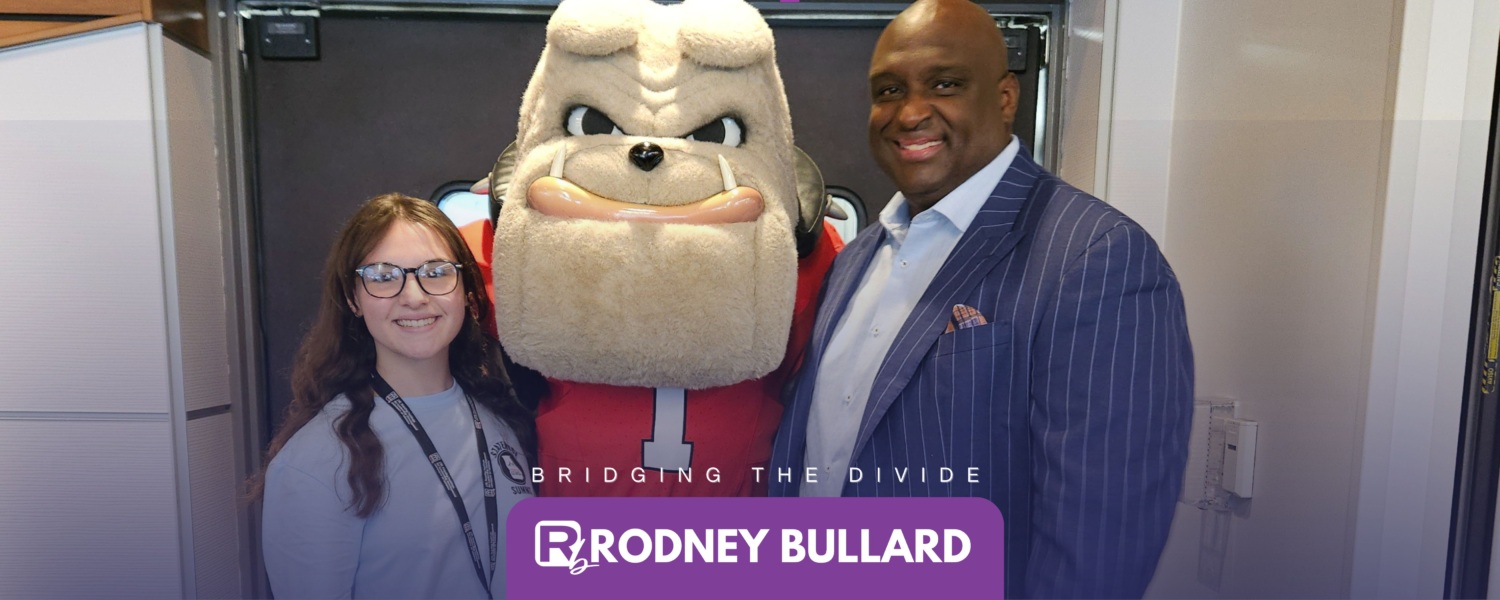
By Rodney Bullard
CEO The Same House PBC | Former Senior Executive at Chick-fil-A / Global CSR, ESG and Marketing Leader | Best-Selling Author | Former AUSA | Former Air Force JAG l Corporate and Non-profit Board Director
Looking toward the future, it’s vital to invest in the next generation of leaders. Mentorship and youth programs are powerful tools for shaping young people into confident, capable leaders who are prepared to take on tomorrow’s challenges. By equipping them with knowledge, skills, and a sense of purpose, we ensure that our communities will continue to thrive for generations to come.
The Power of Mentorship: Mentorship provides young people with invaluable guidance, support, and opportunities to grow. A mentor helps their mentee navigate challenges, build confidence, and set goals. Through these relationships, young people gain insights into leadership, learning how to lead with empathy and purpose.
The influence of a mentor can truly change the course of a young person’s life. Whether it’s offering career advice, helping with personal challenges, or being a source of support, mentorship fosters a sense of responsibility and empowerment. This process can be life-changing, building the confidence and skills needed to take on leadership roles in both personal and professional spheres.
The Same House Perspective: At The Same House, we’ve witnessed the transformative impact of mentorship through our youth leadership initiatives. These programs connect young people with mentors from various fields, helping them gain real-world leadership experience. Our goal is not just to prepare them for the future but to empower them to start making an impact today.
One of our standout initiatives is our collaboration with the Fanning Institute at the University of Georgia through Youth Lead Georgia. This program pairs high school students with experienced mentors and offers leadership training focused on public speaking, project management, and community service. The capstone project allows participants to apply what they’ve learned by leading a community initiative, putting their skills into action.
Real-World Example: Consider the story of Jamal, a high school student who found his passion for community service through mentorship. With the guidance of his mentor, Ms. Davis, Jamal led a community garden project, which provided fresh produce to local families and became a gathering spot for residents. His leadership journey shows how mentorship can inspire young people to become change-makers in their communities.
Empowering Youth Through Programs: In addition to mentorship, structured youth programs offer essential opportunities for young people to grow and lead. Programs like Youth Lead Georgia and our other initiatives focus on helping participants develop critical leadership skills like conflict resolution, public speaking, and civic engagement. These experiences give young people the tools they need to create real change.
The Ripple Effect of Youth Empowerment: Empowering young people to lead creates a ripple effect that strengthens the entire community. As they step into leadership roles, they inspire others to do the same. This ripple effect isn’t just about preparing the next generation—it’s about building a lasting culture of leadership and service that will endure for years to come.
Takeaways:
- Mentorship is key to developing future leaders.
A mentor’s guidance can be transformative, helping young people build confidence and step into leadership roles. - Youth programs provide the tools for success.
Structured programs offer a supportive environment where young people can learn and practice leadership skills. - Investing in youth leadership is an investment in our communities’ futures.
By empowering young people today, we ensure that our communities will thrive tomorrow.
Actionable Steps:
- If you have the opportunity, consider mentoring a young person—your guidance can make all the difference.
- Support or volunteer with youth leadership programs in your community.
- Encourage the young people in your life to take on leadership roles and provide them with the resources they need to succeed.
Redefining Leadership – Celebrating Everyday Heroes in Our Communities
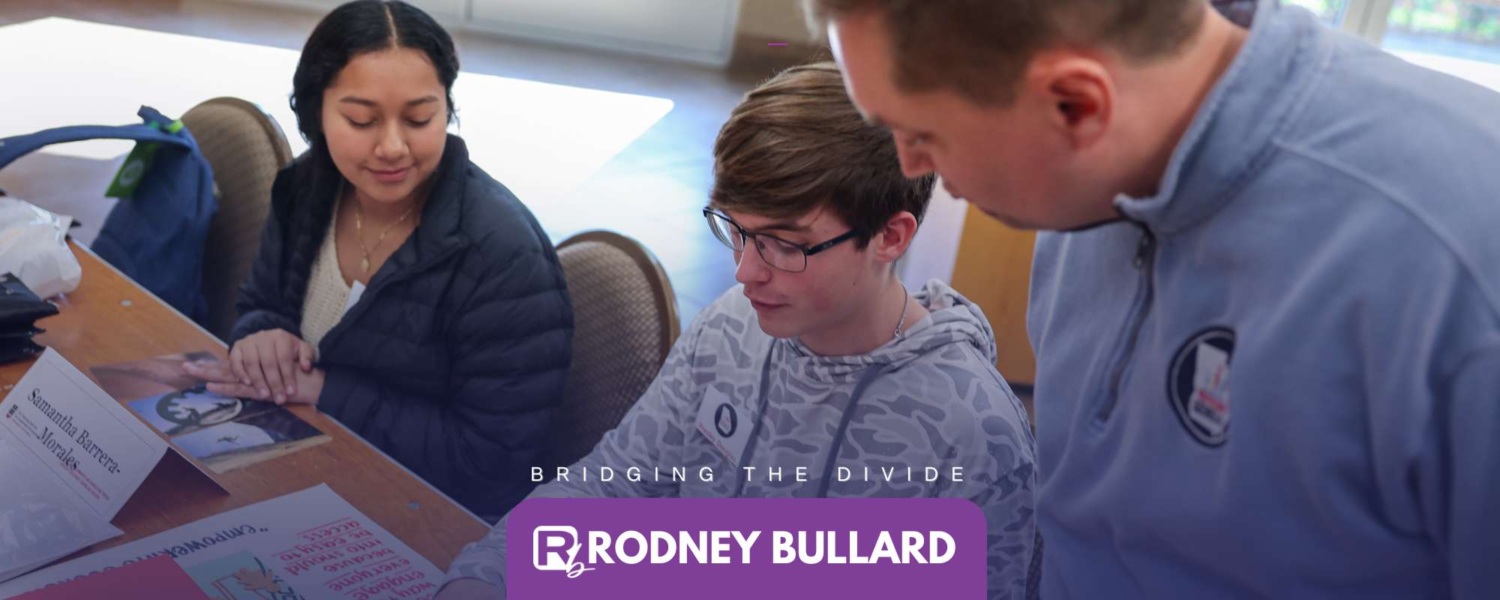
By Rodney Bullard
CEO The Same House PBC | Former Senior Executive at Chick-fil-A / Global CSR, ESG and Marketing Leader | Best-Selling Author | Former AUSA | Former Air Force JAG l Corporate and Non-profit Board Director
September 23, 2024
When we think of leadership, we often picture people with titles or high-profile positions. But true leadership is happening all around us, thanks to everyday heroes who work quietly to strengthen their communities. Healthcare workers, social workers, community organizers—these individuals are the heart of our society, making a lasting impact through their compassion and dedication. Despite the incredible contributions they make, they rarely receive the recognition they deserve. It’s time to redefine leadership and celebrate the unsung heroes who lead by making a difference every day.
Unsung Leaders:
Healthcare workers and social workers are among the most impactful leaders we have, even though they don’t seek the spotlight. Think of the nurses working long shifts in hospitals, comforting patients and their families through difficult moments. Their leadership shows in how they manage crises, advocate for patients, and collaborate with colleagues to provide the best care possible.
Social workers, too, embody quiet leadership. They tackle difficult challenges to support vulnerable individuals and families, whether in schools, hospitals, or community centers. Their work is fueled by empathy and resilience, and their leadership is a lifeline for those who need it most.
Community organizers also shine as leaders, often working behind the scenes to mobilize resources and bring people together. Whether they’re organizing food drives, advocating for affordable housing, or coordinating community health fairs, their efforts create real, positive change and unite communities.
The Same House Perspective:
At The Same House, we’re privileged to partner with many of these unsung heroes. During the pandemic, we worked closely with local health clinics, witnessing the incredible leadership of healthcare workers who went above and beyond for their communities. These leaders didn’t seek recognition, but their commitment was vital to the well-being of so many.
For example, we teamed up with community clinics to offer COVID-19 testing and vaccinations in underserved areas. The healthcare workers at these clinics showed extraordinary leadership, ensuring that everyone in the community had access to essential healthcare—often at great personal risk. Their unwavering dedication made all the difference.
Real-World Example:
Consider Mr. Ramirez, a social worker who has devoted his career to helping at-risk youth. Through his leadership, he has created programs offering counseling, job training, and educational support for young people facing significant challenges. His leadership has changed lives, demonstrating that true leadership is about lifting others up, no matter the scale.
One of Mr. Ramirez’s success stories is Jessica, a young woman who struggled with homelessness and school attendance. Thanks to his guidance, she found stable housing, caught up in school, and secured a part-time job. Today, Jessica has graduated from high school and is attending college, with the goal of becoming a social worker herself. Her journey is a testament to the life-changing leadership of Mr. Ramirez.
Takeaways:
Leadership is about making a difference, not seeking titles or recognition.
True leaders uplift others with their actions, often without expecting credit.
Everyday heroes like healthcare workers, social workers, and community organizers are essential leaders in our communities.
Their contributions hold society together, and they deserve to be recognized and celebrated.
We need to recognize and support these unsung leaders, whose work is critical to the well-being of society.
By providing the resources and support they need, we can help amplify their impact and ensure their vital work continues.
Call to Action:
Now, it’s your turn to join us in celebrating these everyday leaders! Tag your own “Unsung Hero”—whether it’s a healthcare worker, social worker, community organizer, or anyone who has made a positive impact in your community. Let’s give them the recognition they deserve!
Educators as Leaders – Shaping the Future
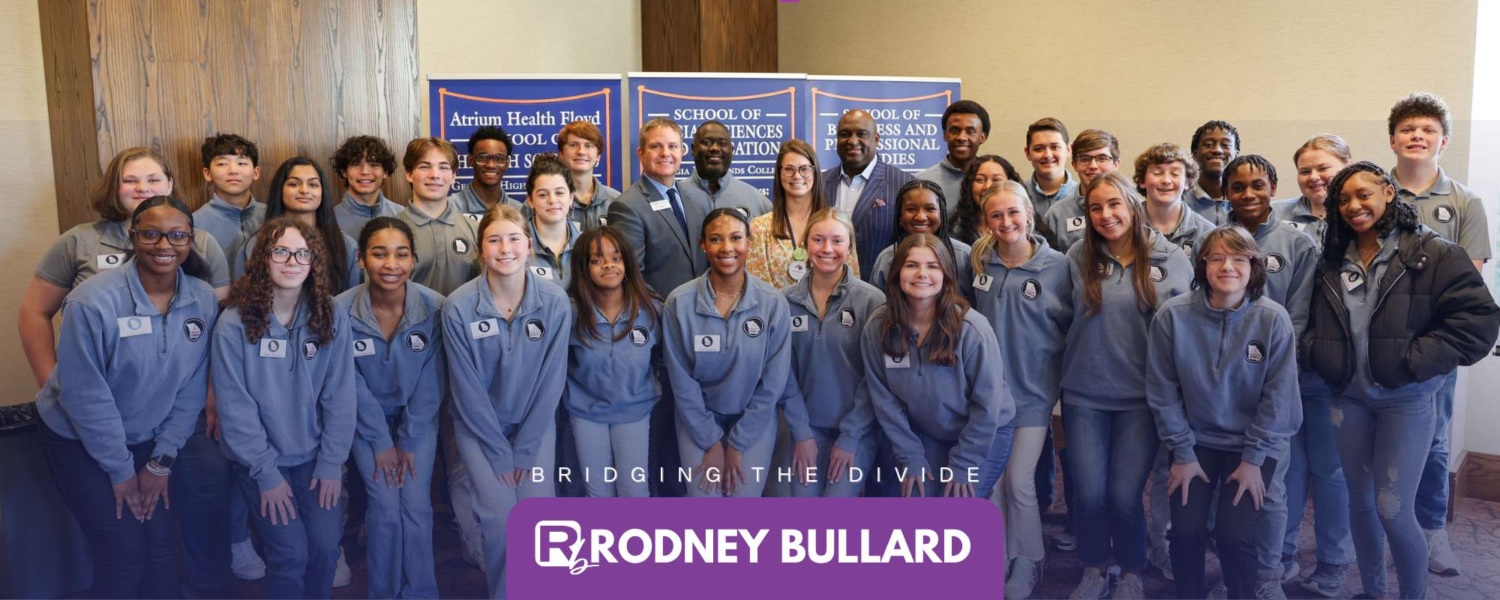
By Rodney Bullard
CEO The Same House PBC | Former Senior Executive at Chick-fil-A / Global CSR, ESG and Marketing Leader | Best-Selling Author | Former AUSA | Former Air Force JAG l Corporate and Non-profit Board Director
When we think of leadership, it’s easy to focus on CEOs, politicians, and public figures who shape society on a grand scale. However, some of the most impactful leaders are those quietly nurturing future generations in the classroom—our educators. These unsung heroes shape not only the academic achievements of their students but also the strength and spirit of our communities. Educators are essential to building a brighter future, influencing the lives of countless students and guiding them toward becoming compassionate, thoughtful, and effective leaders.
The Role of Educators as Leaders:
Educators are much more than just teachers; they are leaders who shape the trajectory of young lives every day. Through their actions, they model empathy, resilience, integrity, and critical thinking, encouraging students to adopt these qualities as future leaders. Educators often serve as the first mentors in a child’s life, and their influence reaches far beyond the classroom. Consider how an educator’s guidance can shape a student’s worldview. A teacher who fosters open-mindedness and encourages questions helps students develop into thoughtful leaders equipped to navigate the complexities of life. A teacher who demonstrates perseverance in the face of challenges instills in students the importance of persistence and determination, key traits of effective leadership. These educators lay the groundwork for students to develop leadership potential that will carry them through life.
Our Work at The Same House:
At The Same House, we believe in the power of education to drive long-term economic mobility and create lasting change. We see educators as vital contributors to both community and leadership development. That’s why we’ve prioritized initiatives that support educational opportunities to build a brighter future. For example, through our Youth Lead Georgia program, students connect with business leaders, explore college and career opportunities, and develop leadership skills that will prepare them to be the future leaders of our state. This program equips young people with the tools they need to thrive and encourages them to think critically about how they can contribute to their communities in meaningful ways. Additionally, we proudly support programs like Camp Promise, an initiative of The John R. Lewis Legacy Institute, which focuses on educating and developing young men. Through mentorship, skills training, and leadership development, Camp Promise helps these young men realize their full potential, ensuring they grow into responsible and engaged members of society.
Sustainable Leadership Through Education:
We are now placing a sharper focus on education as a critical tool to help mitigate challenges to economic mobility. By providing young people with the resources, guidance, and opportunities they need to succeed, we aim to complete the circle of economic empowerment. Education is not just a stepping stone; it’s a force that can turn the tide for individuals, families, and entire communities, opening doors for sustained growth and opportunity.
Real-World Example:
Consider Ms. Johnson, an educator working in an underserved community. Beyond teaching her students core subjects, Ms. Johnson created after-school programs that focus on leadership and community service. One of her students, Carlos, initially struggled both academically and socially. Recognizing his potential, Ms. Johnson encouraged him to take on a leadership role in a community garden project. Through this experience, Carlos found a sense of purpose and gained confidence. He went on to lead several student initiatives, eventually earning a college scholarship.
This is the power of educators: their leadership not only transforms students’ lives but also empowers them to take on leadership roles in their communities!
Takeaways:
Educators are essential leaders in our communities. The work of teachers extends far beyond the classroom, shaping the next generation of leaders who will guide us into the future.
Investing in educators is investing in our collective future. By supporting programs that help teachers nurture leadership and critical thinking in their students, we create lasting, positive change for generations to come. Recognize and celebrate the leadership roles educators play every day. Their influence is foundational, and their contributions deserve recognition.
At The Same House, we are deeply committed to amplifying the leadership of educators, whose work serves as the bedrock for economic mobility and community growth. We invite you to join us in celebrating these champions of education. Tag your favorite educator in the comments and let’s recognize their incredible contributions to shaping the future!
Warm regards,
Rodney Bullard
Sustainable Philanthropy: A Long-Term Commitment to Change

By Rodney Bullard
CEO The Same House PBC | Former Senior Executive at Chick-fil-A / Global CSR, ESG and Marketing Leader | Best-Selling Author | Former AUSA | Former Air Force JAG l Corporate and Non-profit Board Director
Philanthropy is most effective when it’s sustainable. Short-term fixes rarely address the root
causes of social and economic issues. Sustainable philanthropy requires a long-term
commitment to creating lasting change. In this final installment of our blog series, we will explore
the importance of sustainable practices in philanthropic efforts and provide actionable steps to
ensure a lasting impact.
The Importance of Sustainable Philanthropy
At Chick-fil-A, we recognized the importance of economic mobility in creating sustainable
communities. We launched several initiatives aimed at empowering individuals through
education, job training, and financial literacy. One such initiative was our partnership with a
community college to offer scholarships and job training programs for low-income students. By
providing access to education and skills development, we helped participants achieve economic
independence and stability. This long-term investment in individuals’ futures created a ripple
effect, benefiting their families and communities.
Economic Mobility Through Education and Training
Our economic mobility initiatives demonstrated that sustainable philanthropy requires a long-
term vision and commitment. By focusing on education and job training, we addressed the root
causes of poverty and empowered individuals to improve their circumstances. This approach
not only provided immediate benefits but also set the foundation for long-term economic stability
and growth within the community.
Example: Economic Empowerment Initiative
One of our most impactful programs was the Economic Empowerment Initiative, which provided
comprehensive support to low-income individuals seeking to improve their economic situation.
This program included:
● Scholarships: Providing financial assistance for higher education to help individuals
gain the qualifications needed for better job opportunities.
● Job Training: Offering specialized training programs in high-demand fields to equip
participants with valuable skills.
● Financial Literacy: Conducting workshops on budgeting, saving, and investing to help
individuals manage their finances effectively.
By addressing multiple facets of economic empowerment, this initiative helped participants
achieve a higher standard of living and contributed to the overall economic health of the
community.
Building Long-Term Partnerships
Sustainable philanthropy also involves building long-term partnerships with organizations that
share your commitment to change. These partnerships can amplify the impact of your efforts
and ensure that initiatives remain effective and relevant over time.
Example: Long-Term Collaboration with Community Colleges
During my time with Chick-fil-A, our partnership with community colleges was a cornerstone of
our sustainable philanthropy strategy. By working closely with these institutions, we tailored our
programs to meet the specific needs of the communities we served. This collaboration allowed
us to provide ongoing support and adapt our initiatives based on feedback and changing
circumstances.
Expanding the Vision: The Same House’s Commitment to Collective Action and
Economic Mobility
At The Same House, we take sustainability one step further by focusing not only on the
effectiveness of individual non-profit initiatives but also on the amplification of these efforts
through collaboration and collective action. Our mission is rooted in Dr. Martin Luther King Jr.’s
vision of the “Beloved Community,” where economic mobility is not a singular endeavor, but a
shared responsibility.
Our approach includes:
● The Same House Collaborative: A best-practices community focused on social
innovation, where we work alongside corporations, nonprofits, government agencies,
and community leaders. Together, we’re developing solutions that foster long-term
economic mobility and close the gaps in social equity.
● Tables Across America: This initiative fosters community health by bringing diverse
groups together to collaborate on shared goals, building stronger connections and
collective strategies to address local and national issues.
● The Same House Pledge: We challenge individuals and organizations to commit to
measurable actions that address systemic social and economic challenges through a
pledge of accountability and shared responsibility.
● Youth Lead Georgia: Investing in the future, we empower the next generation of
leaders to innovate and contribute to economic mobility through mentorship, education,
and hands-on leadership training.
● Technology & Best Practices: By leveraging cutting-edge technology, data analysis,
and innovative practices, The Same House ensures that we are not just tracking
outcomes, but refining and improving strategies to drive lasting economic and social
progress.
This holistic approach forms a complete circle of economic mobility—one that begins with
individual empowerment but is sustained and magnified through collaboration and collective
action.
Monitoring and Adjusting for Continuous Improvement
At The Same House and in my previous work, ongoing monitoring and adjustments have been
essential to ensuring the effectiveness of philanthropic efforts. Regularly assessing the impact
of initiatives allows us to make data-driven decisions and refine strategies for greater success.
Example: Impact Assessment and Program Adjustment
To measure the effectiveness of our Economic Empowerment Initiative, we implemented a
robust impact assessment framework. This included:
● Tracking Outcomes: Monitoring participants’ progress in terms of education,
employment, and financial stability.
● Collecting Feedback: Gathering input from participants and partners to identify areas
for improvement.
● Making Adjustments: Using the data collected to refine our programs and address any
challenges.
This continuous improvement process ensures that initiatives remain effective and responsive to
the evolving needs of communities.
Action: Implement Sustainable Philanthropic Practices
To ensure your philanthropic efforts have a lasting impact, consider these actions:
● Focus on Root Causes: Address the underlying issues that contribute to social and
economic challenges. Sustainable change requires tackling problems at their source.
● Invest in Education and Training: Support programs that provide individuals with the
skills and knowledge they need to succeed. Education and training are critical for long-
term economic mobility.
● Build Long-Term Partnerships: Develop long-term partnerships with organizations that
share your commitment to sustainable change. Collaboration amplifies impact and
ensures continuity.
● Monitor Impact: Regularly assess the impact of your philanthropic initiatives and make
necessary adjustments to enhance their effectiveness. Continuous monitoring and
improvement are key to sustainable success.
Takeaways
Sustainable philanthropy requires addressing root causes and making long-term commitments.
Short-term fixes are insufficient for lasting change. Focus on the underlying issues, commit to
long-term solutions, and foster collective action through collaboration.
At The Same House, we believe that only through joint efforts can we create a sustainable and
complete cycle of economic mobility. By working together—across sectors and
communities—we ensure that the impact is not just immediate but lasting, creating a better
future for all.
Warm regards,
Rodney Bullard
Collaborative Philanthropy: Building Stronger Communities Together

By Rodney Bullard
CEO The Same House PBC | Former Senior Executive at Chick-fil-A / Global CSR, ESG and Marketing Leader | Best-Selling Author | Former AUSA | Former Air Force JAG l Corporate and Non-profit Board Director
The Power of Collaborative Philanthropy
When we come together, we can do so much more. Collaboration allows us to pool our
resources, ideas, and strengths, leading to innovative solutions that tackle the root causes of
social and economic challenges. This approach not only amplifies our impact but also ensures
that every voice in the community is heard and valued.
Example: The Beloved Benefit Event
At The Same House, we hosted a “Beloved Benefit” event to address economic disparities in
underserved communities. This gathering brought together leaders from various
sectors—business, nonprofit, and government—to create a comprehensive plan for local
economic development.
One of the most impactful collaborations emerged between a local tech company and a
workforce development nonprofit. Together, they created a coding boot camp for
underrepresented youth, offering them the skills and opportunities needed to secure high-paying
jobs in the tech industry. This initiative demonstrated that by combining resources and expertise,
we can achieve far more than any single organization could on its own.
Why Collaboration Matters
Leveraging Diverse Strengths:
Every organization has unique strengths to offer. Businesses might contribute financial resources
and expertise, nonprofits often bring deep community connections, and government agencies
provide policy support and scalability. By working together, we can create more comprehensive
and effective solutions.
Shared Responsibility:
Addressing systemic issues like poverty, education, and healthcare is a collective effort. No
single entity can do it alone. When we share responsibility, we increase our chances of success.
Increased Innovation:
Collaboration fosters innovation by bringing together diverse perspectives and ideas. This blend of viewpoints often leads to creative solutions that wouldn’t emerge from a single-organization
approach.
Greater Impact:
By pooling resources and working together, we can achieve a greater impact than we would
individually. This collective power can drive significant social and economic changes in our
communities.
Steps to Foster Collaborative Philanthropy
1. Identify Common Goals:
Work with others to find shared objectives and align your efforts. A clear direction
ensures everyone is working towards the same end.
2. Leverage Unique Strengths:
Make sure each partner understands and values what others bring to the table.
3. Develop Joint Initiatives:
Create programs and projects that tackle key community issues together. These should be
co-designed and co-implemented.
4. Monitor and Adjust:
Keep an eye on progress and be ready to make changes as needed. Continuous evaluation
helps us stay on track and improve outcomes.
Building a Culture of Collaboration
To make collaboration a cornerstone of your organization and community, consider these tips:
● Encourage Open Communication:
Ensure that all voices are heard and that transparency is maintained.
● Promote Inclusivity:
Diverse perspectives lead to more creative and effective solutions.
● Build Trust:
Trust is the foundation of any successful collaboration. Be reliable, transparent, and
respectful in all interactions.
● Celebrate Successes:
Recognize and celebrate the achievements of your collaborative efforts. This boosts
morale and reinforces the value of working together.
Takeaways
Collaboration is key to amplifying the impact of philanthropy. By working together and
embracing diverse strengths, we can address social and economic issues more effectively. It’s
about moving beyond charity and leading the way in solving the systemic challenges our
communities face. At The Same House, we’re committed to this collaborative approach, and we
invite you to join us in building stronger, more resilient communities across the nation.
Collaborative Philanthropy: Building Stronger Communities Together
By Rodney Bullard
CEO The Same House PBC | Former Senior Executive at Chick-fil-A / Global CSR, ESG and Marketing Leader | Best-Selling Author | Former AUSA | Former Air Force JAG l Corporate and Non-profit Board Director
In today’s complex social and economic landscape, true leadership in philanthropy goes beyond charitable donations—it’s about building lasting solutions to systemic issues. At The Same House, we believe that the key to transformative community impact lies in collaborative efforts that bring together diverse sectors, including government, entertainment, nonprofit, corporate, and community organizations. By synergizing resources and amplifying voices, we can create meaningful change that touches every corner of our communities.
During my time at Chick-fil-A, we redefined corporate philanthropy by focusing on strategic, sustained efforts. One standout initiative was the True Inspiration Awards, which provided substantial grants to nonprofits making a real difference. This wasn’t just about writing checks; it was about building partnerships that empowered these organizations to expand their impact. For instance, one awardee, a youth mentorship program, used our grant to launch initiatives that addressed academic support, mental health, and career readiness, creating a holistic approach to youth development. At The Same House, we’re taking this collaborative approach even further. Our Beloved Benefit event, for example, brought together leaders from various sectors to tackle economic disparities in underserved communities. One impactful partnership between a local tech company and a workforce development nonprofit resulted in a coding boot camp for underrepresented youth. By pooling resources and expertise, we created a program that not only equipped young people with valuable skills but also provided a direct path to high-paying jobs in the tech industry.
Why does collaboration matter so much? When businesses, nonprofits, and government agencies work together, we can leverage diverse strengths, share responsibility for addressing systemic issues, and foster innovation through the exchange of ideas. This collective power enables us to achieve a greater impact than any single organization could on its own.
To build stronger communities through collaborative
philanthropy, we must:
● Identify common goals and align our efforts.
● Leverage the unique strengths of each partner.
● Develop and implement joint initiatives.
● Regularly review progress and make necessary adjustments.
A great example of this collaborative spirit is Habitat for Humanity, which brings together volunteers, businesses, and government agencies to build homes for those in need. By working side-by-side with future homeowners, they break down socio-economic barriers and create a sense of unity and shared purpose. Creating a culture of collaboration within our organizations and communities is crucial. This means fostering open communication, promoting inclusivity, building trust, and celebrating successes together. At The Same House, we’re committed to leading philanthropic collaboration across sectors to solve community problems around economic mobility and
social connection. By coming together, we can address these challenges more effectively and create a lasting impact. Together, we can move beyond charity and lead the work to build stronger, more resilient communities.