
Having Compassion

By Rodney Bullard
CEO The Same House PBC | Former Senior Executive at Chick-fil-A / Global CSR, ESG and Marketing Leader | Best-Selling Author | Former AUSA | Former Air Force JAG l Corporate and Non-profit Board Director
Having Compassion means having the ability to understand and share the feelings of another. It is the ability to empathize with others, to see the world through their eyes, and to feel what they are feeling. Having Compassion allows us to connect with others on a deeper level and to build solid and lasting relationships.
The purpose of Compassion is to alleviate the suffering of others. When we see someone in pain, our instinct is to want to help. This is because Compassion is rooted in empathy, the ability to understand and share the feelings of another. Compassion motivates us to act when we see others in need. It is what drives us to volunteer our time, donate money to charitable causes, and help in our communities. While Compassion is often thought of as a positive emotion, it can also be challenging to experience. When we see others suffering, we may feel overwhelmed by their pain. This is because Compassion can lead us to confront the harsh realities of the world. But even in the darkest times, Compassion can be a beacon of hope. By responding to the pain of others with Compassion, we can make a real difference in the world.
Searching

By Rodney Bullard
CEO The Same House PBC | Former Senior Executive at Chick-fil-A / Global CSR, ESG and Marketing Leader | Best-Selling Author | Former AUSA | Former Air Force JAG l Corporate and Non-profit Board Director
When looking for our Commitment, many do not know where to start and feel overwhelmed or doubting themselves. These obstacles can be overcome by taking things one step at a time, seeking support from others, and believing in oneself. We must find our Commitment immediately because it is an integral part of achieving success. By committing to something, you are more likely to follow through on it and achieve your goals. Additionally, by committing, you are accountable and focused on what is important to you. Lastly, when you commit, you are proud of yourself for sticking to it and achieving your goals.
You must take the first step. This may mean setting a goal or planning. Whatever it is, taking that first step will get you started on the path to success. Additionally, it is essential to seek support from others and believe in yourself. Remember, you can achieve anything you set your mind to if you are committed to it. You can achieve anything you set your mind to if you are committed to it. So, don’t give up on your dreams and persist even when things get tough. Remember, Commitment is key to success. It is an integral part of achieving success. By committing to something, you are more likely to follow through on it and achieve your goals.
Additionally, by committing, you are accountable and focused on what is important to you. Lastly, when you have an obligation, you are proud of yourself for sticking to it and achieving your goals. It’s an earnest and intentional Commitment to the greater good. This is beyond us but is for society and humanity. So, don’t give up on your dreams and persist even when things get tough.
Compassion Is Unconditional
By Rodney Bullard
CEO The Same House PBC | Former Senior Executive at Chick-fil-A / Global CSR, ESG and Marketing Leader | Best-Selling Author | Former AUSA | Former Air Force JAG l Corporate and Non-profit Board Director
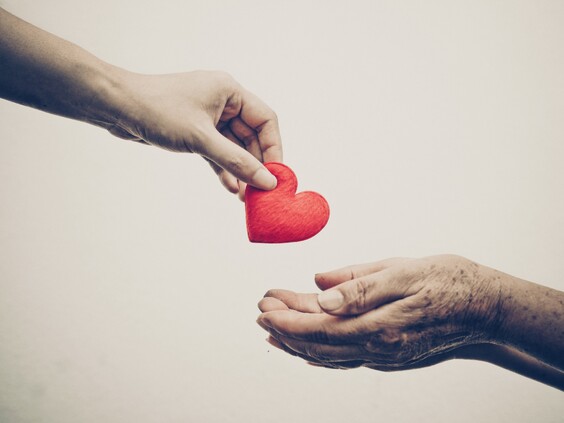
Compassion is both a reason for and an ingredient in building bridges. If bridges are made on purpose and intention, then they must be done so carefully. No one wants to walk or drive across a hastily built bridge. Our collective hope is that the bridge was constructed thoughtfully and made healthy. Relationships are bridges. They must also be built thoughtfully and with care: disrespect, dismissiveness, thoughtlessness, bruised relationships, and tears at the connection. In many cases, Compassion is a moral compulsion – the “why” – to build bridges and urges us to help or heal.
However, in all cases, Compassion is a requisite for “how” we build bridges. Tyranny, neglect, and obtrusion are not enduring qualities of a leader. We all have experienced leaders who use these tools. Rarely do we respect these people, and even if we solve the problem, few of us would want to engage/serve with this person again in solving the next issue.
Often, we brush these off as negative character traits or as part of someone’s personality. Sometimes this is true, but lack of Compassion may also be a product of bias. This distorting lens of how we may view some types of people or situations creates the disparities within our society. The need to be correct or superior supersedes the power of listening and acceptance. British philosopher Isaiah Berlin puts it into context:
“Few things have done more harm than the belief on the part of individuals or groups (or tribes or states or nations or churches) that they or they are in sole possession of the truth, especially about how to live, what to be and do – that those who differ from them are not merely mistaken, but wicked or mad: and need restraining or suppressing. It is a terrible and dangerous arrogance to believe that you alone are right, have a magical eye which sees the truth, and that others cannot be right if they disagree.”
It is human nature to fear being wrong, but Compassion is unconditional. It is not something to be parlayed out to only those we find worthy, those who are mirror images of our beliefs, and those who represent us in race, religion, or status.
Hierarchies of power, superiority, dominance, and exclusion operate within a context of privilege. These are unearned advantages that someone has over another human being. Social groups create a foundation from where they operate and define “normal.” They judge others based on the deviations from this baseline definition. The privilege can manifest from class, education, gender, race, and religion. It exists when one group has something of value that is not available to others.
To heal our communities and approach bridge building from a position of strength, we must first put our privilege aside. We must reach down into our souls and truly accept that every human being is worthy of Compassion and love. It is not something to be doled out to those who are chosen or fit within our group. It is a human right within every community and across every nation to give and receive unconditional respect. We cannot build bridges spanning both sides until we put aside our differences and unite on our similarities.
Finding Your Calling

By Rodney Bullard
CEO The Same House PBC | Former Senior Executive at Chick-fil-A / Global CSR, ESG and Marketing Leader | Best-Selling Author | Former AUSA | Former Air Force JAG l Corporate and Non-profit Board Director
A “calling” begins with something we feel or are born to do. For some, it comes out of nowhere. For others, it’s ingrained from an early age, either from experience or an intense pull to a particular cause or mission. Neither is more worthy. Where the calling comes from is irrelevant. It’s the activity around it that matters.
I find that God gives you the desires of your heart and reveals them as your calling. My calling is wrapped up in a passion for people and my interest in caring for them. It is something I feel and know about myself, but it’s not what I’m called. There’s an interesting distinction between your calling and what you’re called or do for a living. Depending on the season of my life, I’ve been named an Air Force officer, an attorney, a businessperson, and a philanthropic leader. My label may change, but my calling remains consistent.
Whatever that strength is, whatever that talent is, if you think about the skills that we all possess, they all, at their core, bring people together. A musician like Bruno Mars has brought 75,000 people together listening to his music and the impact that his music has on those people. They’ve all decided to be there simultaneously and listen to the same music. Music has always done that historically. It’s brought people together, inspired them and the movements they’ve led and been a part of. So, you think about art, art is in the same fashion. It’s visual, but it brings people into a singular moment and understanding that this is beauty.
Sometimes people question how my calling intersects with my occupation. How can I be an attorney locking people up and still be a philanthropic or corporate leader? The single thread is taking care of people. As an attorney, I was charged with protecting our communities and streets as a federal prosecutor. I was taking care of people and families. As a philanthropist, I take care of people through prevention. I want to keep children off the streets, courtrooms, and jails. Instead, I want to offer hope, education, and opportunity. My passion for people is a thread that connects all my personal and professional efforts. My title may change, but my mission and vision are constant.
Discovering our calling is the bridge to what God has in store for us. It creates the path for us to walk as we journey through life. These bridges connect us to other people and allow us to be of service. This connects us to our futures and reveals the true meaning of who we are now and whom we are supposed to be.
Having a calling means you have been given a specific task or set of tasks during your time on earth. It is your mission, and it is unique to you. Everyone has a calling, though not everyone recognizes or understands it. Your calling might be as simple as being a good friend or neighbor, or something more specific, like working in a certain profession or contributing to a particular cause.
There is no single formula for finding your calling. It might come to you in a sudden flash of inspiration, or it might be something you gradually become aware of through prayer and reflection. You might feel drawn to a particular activity or interest, or you might have a sense that you are meant to do something specific. However, you choose to follow your calling, the most important thing is to be open to God’s leading and to trust that He will guide you along the way.
If you’re not sure what you’re calling as it relates to building bridges, don’t be discouraged. Pray for guidance and ask God to reveal His plan for your life. Trust that He will lead you to where you need to be. And don’t forget, your calling doesn’t have to be grand or glamorous to be significant. Sometimes the most important calls are the ones that don’t make headlines but make a real difference in people’s lives. Whatever your calling may be, know that you are not alone. God is with you, and He will help you every step.
Recognizing Where A Bridge Is Needed

By Rodney Bullard
CEO The Same House PBC | Former Senior Executive at Chick-fil-A / Global CSR, ESG and Marketing Leader | Best-Selling Author | Former AUSA | Former Air Force JAG l Corporate and Non-profit Board Director
Bridges are built not to cross over it, but it is built to lift you to the other side safely. – Edwin Lawrence
Sometimes it’s difficult to assess where a bridge is most needed as an individual. It may reveal itself by answering questions like: What do I see that makes me uncomfortable? Where are there inequities that need to be addressed? Where is the disconnect or breakdown in communication? What is the overall health of my community, and where is it most at risk?
In many cases, it may come down to narrowing the list to where the most significant positive social impact can occur. This always starts with one person believing they can make a difference. Organizations like Head Start, Meals on Wheels, and Habitat for Humanity began as the vision of one person who recognized where a bridge was needed. It starts with a small act that may create giant ripples within a community.
In 2008, an 11-year-old Pakistani girl named Malala Yousafzai started a blog anonymously to advocate for girls’ rights to attend school and receive an education. At age 15, an attempt was made on her life. This created a ripple effect around the world on her behalf. Since then, she’s met with presidents, royal dignitaries, scholars, and essential people worldwide who want to hear her story and participate in her vision. As she said, “Let us remember: One book, one pen, one child, and one teacher can change the world.” With these words put into action, she created a giant ripple creating an international movement for young girls everywhere.
Building bridges or creating change doesn’t have to feel bold or intimidating. One of the easiest ways to answer a call is to find an intact but broken bridge. In a recent article written by President Barack Obama regarding nationwide protests, he said:
The “bottom line,” he wrote, is that “if we want to bring about real change, then the choice isn’t between protest and politics. We must do both. We must mobilize to raise awareness, and we must organize and cast our ballots to make sure that we elect candidates who will act on reform.
He wasn’t encouraging people to pass new laws, start new organizations, or make significant personal changes or commitments in their life. He asked for collective involvement, where people exchange ideas and knowledge to cooperate and collaborate. This is where grassroots organizations are born. This is where voter turnout dramatically changes. And at a granular level where neighborhood clean-ups come together.
Personal Bridges

By Rodney Bullard
CEO The Same House PBC | Former Senior Executive at Chick-fil-A / Global CSR, ESG and Marketing Leader | Best-Selling Author | Former AUSA | Former Air Force JAG l Corporate and Non-profit Board Director
Building bridges starts in the heart. This is where empathy, Compassion, and the desire to help others take root. The first step in the personal journey of building bridges is recognizing the needs of others and empathizing by feeling their distress. It’s easy to get stuck here because it’s uncomfortable to see someone suffering or to put ourselves in someone else’s shoes. We may not know how to act or what to say. It may seem easier to ignore the distress and hope someone else sorts it out. This is how we maintain the status quo or even slide backward.
“Unfortunately, that concern varies a lot from person to person and is influenced by different environmental factors, such as how much the person in need resembles you, whether you encounter suffering in one person or the suffering of multitudes, and whether you think someone deserves to suffer because of their bad behavior, and your social status.”
Empathy and concern go together and trigger how a person responds to a situation. While empathy is essential, it’s a wired response that often activates based on the people closest to us. This can cause further division if we fail to see the other side’s perspective or situation.
Whereas empathy is passive, Compassion is active. Compassion causes us to assess the situation and ask, “how can I help?” It’s answering the call to ease the struggle regardless of whether we are comfortable. Compassionate people are focused on solutions and how they can create a positive impact. They build collaboration, trust, and loyalty due to their generosity.
When empathy and Compassion work together, they build bridges of great strength. When Hurricane Katrina hit New Orleans in 2005, the devastation was unimaginable. Without being asked or paid, emergency personnel, health, and rescue workers from all over the country showed up to help a city of people who were suffering.
With our country empathetic to the tragedy, many people showed Compassion and found ways to help. From a 9-year-old’s lemonade stand to mothers collecting necessary supplies from their neighbors, people from every walk of life found ways to show kindness and understanding. It didn’t take substantial individual commitments, large amounts of money, or a particular type of education. Collectively all these things combined created a massive impact.
That’s where we can all start. Whether it’s a simple act like raking leaves for an elderly neighbor or spending an hour mentoring someone less fortunate, we all can turn our empathy into action. It starts with how we think and responds to those we can help. This solid foundation allows us to build bridges with an intention that keeps us connected.
Bridges Are Necessary

By Rodney Bullard
CEO The Same House PBC | Former Senior Executive at Chick-fil-A / Global CSR, ESG and Marketing Leader | Best-Selling Author | Former AUSA | Former Air Force JAG l Corporate and Non-profit Board Director
“The hardest thing in life to learn is which bridge to cross and which to burn.”-David Russell
The story of David vs. Goliath is one of the most popular stories in the Bible. Goliath was a warrior giant who challenged his opponent’s army to send one person to fight in single combat. He asked for their strongest fighter, but everyone was too scared to fight the 9-foot giant covered in armor. David, a young shepherd boy, was not intimidated by Goliath and requested no fancy armor or weapons. While Goliath had a sword and a shield, David carried a handful of small rocks.
David would lose the battle to all outside observations, but he won. He had intelligence and faith on his side, while Goliath only had size and an intimidating exterior. What no one knew was that Goliath was blind. David was small and just one person, but he trusted he could make a difference for his people. He didn’t need to know everything about Goliath. He just needed the conviction of doing the right thing. As said by Bishop T.D. Jakes, during his Bridges to Destiny sermon, Jakes said, “Your battle is your bridge. Every David needs a Goliath.”
Standing for something or someone always includes something that seems large or intimidating. Every person can be David and make a difference. It may seem like Goliath’s are everywhere, and you are too small to be involved, provide a connection, or explore a solution. But standing up and being a bridge of compassion is not difficult. Don’t let the fear of the unknown deter you from crossing over. As we progress, we become a bridge for our better selves and a bridge for someone else.
Declaration: I will be the bridge to support those in need
Kindness Builds Strength

By Rodney Bullard
CEO The Same House PBC | Former Senior Executive at Chick-fil-A / Global CSR, ESG and Marketing Leader | Best-Selling Author | Former AUSA | Former Air Force JAG l Corporate and Non-profit Board Director
Kindness is being friendly to someone with the motivation of helping while expecting nothing in return. Key characteristics of a kind person are patience, faithfulness, generosity, and charity. American politician Bob Kerrey said, “Unexpected kindness is the most powerful, least costly, and most underrated agent of human change.” As a leadership initiative, it should be viewed as a core value to foster inclusion, embrace diversity, and value different perspectives.
Playwright and novelist Johann Wolfgang von Goethe described kindness as “the golden chain by which society is bound.” This golden chain builds connection and trust while creating tribes of like-minded people who collectively serve others. Kindness and strength are not mutually exclusive. With every generous act, people build emotional capital that encourages people to pay it forward.
What if we looked at each suffering person as our people? What if we felt the same responsibility towards them as we do our children? Would we act differently, reach out more, and show more compassion?
If the people in our communities are not seen or appreciated, then we are all weakened. Building relationships bridges the gap between fear and feeling safe, in control, and loved. We can’t start solving the big problems until we face the issues within our backyard. Former first lady Michelle Obama said, “Our greatness has always come from people who expect nothing and take nothing for granted – folks who work hard for what they have, then reach back and help others after them.” It takes neighbors helping neighbors to create the symbiotic relationship we need to strengthen our communities.
What’s your motivation for your act of kindness?
Root Of Compassion
By Rodney Bullard
CEO The Same House PBC | Former Senior Executive at Chick-fil-A / Global CSR, ESG and Marketing Leader | Best-Selling Author | Former AUSA | Former Air Force JAG l Corporate and Non-profit Board Director
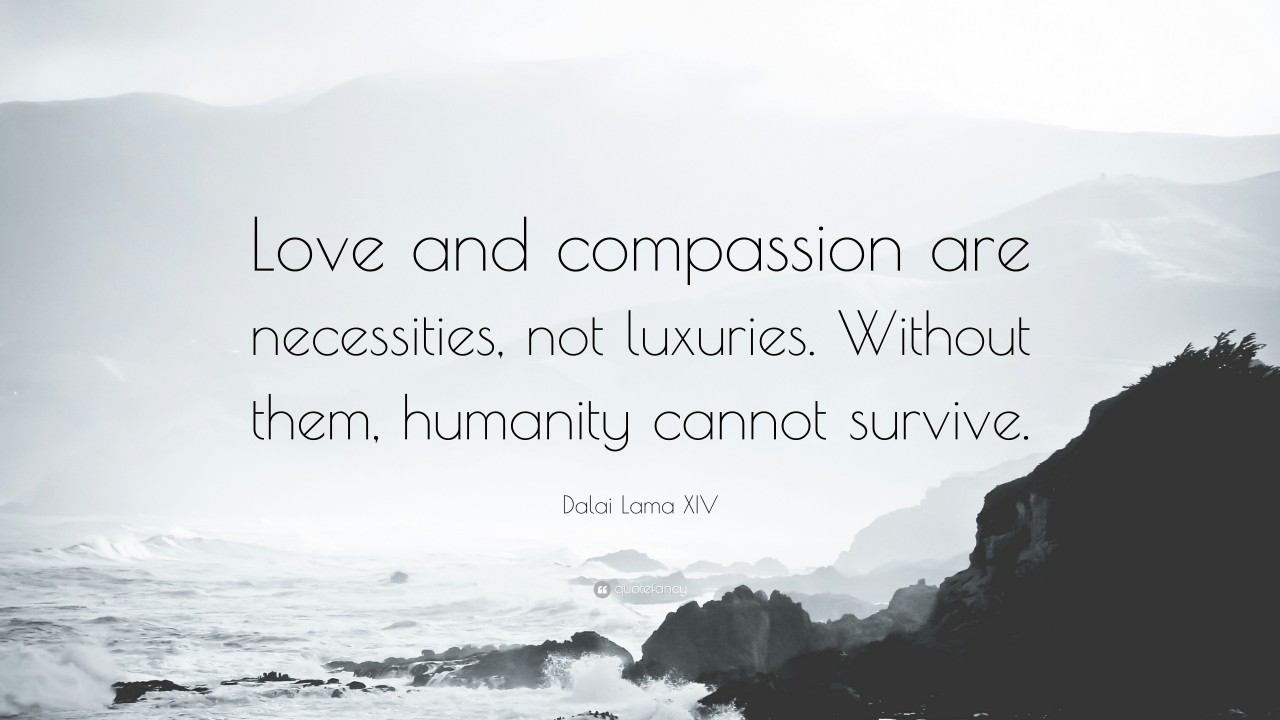
“Love and compassion are necessities, not luxuries. Without them humanity cannot survive.”- Dalai Lama
Compassion is the recognition of other people’s suffering and taking action to help. The “taking of action” is the primary differentiator between empathy, which is grounded in emotion. While sympathy and empathy focus on feelings, those with Compassion get involved and look for solutions to reduce suffering. Author Fredrick Buechner best describes Compassion in this way:
Compassion is sometimes the fatal capacity for feeling what it is like to live inside somebody else’s skin. It is the knowledge that there can never really be any peace and joy for me until there is peace and joy finally for you too.
We are living in a moment where active Compassion is needed now more than ever. From the coronavirus pandemic, loss of jobs and security to racial injustices and political unrest. In every community, people are suffering. The simplest acts of kindness like askida ekmek can ease someone’s burden and offer hope when meeting basic needs is a challenge.
Suffering is a universal challenge that will affect all of us at some point in our lives. One cannot go through life without experiencing some pain or hardship. It is how we react to it when we are suffering and act when faced with others’ suffering. As said by Nelson Mandela, “Our human compassion binds us to one another—not in pity or patronizingly, but as human beings who have learned how to turn our common suffering into hope for the future.”
But how do we offer hope while still making a difference? We start by listening and showing kindness. Eliminating judgment is the first step toward building a bridge from where we are today to where we want to go tomorrow. We are unaware of where other people have been until we take the time to understand their journey.
A famous story from Reader’s Digest illustrates it best about a father and his three children traveling on a London bus. The father stared out the window while his kids made lots of noise and bothered the other passengers. A woman in a nearby seat leaned over to the father and said, “You need to parent your children better. They are so unruly.” The father apologetically said, “I’m so sorry. Their mother, my wife, just died, and we are returning from her funeral. I think we are all a little overwhelmed. I apologize.”
Caught up in our perceptions, we often fail to understand the circumstances around many events. We look at how we are being affected without finding out why something is happening in a particular way. We don’t see the pain and suffering happening around us because we are not getting below the surface in our interactions with others.
By believing “we are all in this together,” we can strive to commit compassionate acts every day. We can pick up the slack when others fall and appreciate others’ kindness when we are weakest.
Therefore, encourage and build one another up, just as you are. We ask you, brothers, to respect those who labor among you and are over you in the Lord, admonish you, and esteem them very highly in love because of their work. Be at peace among yourselves. And we urge you, brothers, admonish the idle, encourage the fainthearted, help the weak, be patient with them all. (1 Thessalonians 5:11-18 ESV)
We can gather the bridge builders within our community to lift each other. We can act together and ease suffering. By extending our hands and hearts, we heal the brokenness within our fractured communities. These acts spread from person to person, people to communities, and communities to countries. Each story spanning from one destination to the next encourages us to move from empathy to compassion and healing.
Acts of Compassion

By Rodney Bullard
CEO The Same House PBC | Former Senior Executive at Chick-fil-A / Global CSR, ESG and Marketing Leader | Best-Selling Author | Former AUSA | Former Air Force JAG l Corporate and Non-profit Board Director
“Let us not love with words or speech but with actions and in truth.” – 1 John 3:18
Compassion is an underused leadership quality. To be a good leader, you must have empathy or compassion for the people following you, the people you want to follow. And when you show Compassion, people are more likely to follow you and listen. There’s a great saying; I know you’ve heard that people don’t care what you think until they know how much you care. Compassion is often described as the cornerstone of human morality. That’s because it is the quality that allows us to put ourselves in another person’s shoes and understand their pain. It motivates us to help others in need and make sacrifices for the greater good. While Compassion is a natural human emotion, it is also something that can be cultivated. By creating an effort to understand the suffering of others and to respond with kindness, we can make the world a little bit brighter for everyone.
In many local bakeries in Turkey, it is not uncommon to see the owner hand someone bread without exchanging money. This ancient tradition called “askida ekmek” of paying it forward starts with customers who pay for two loaves of bread but leave one behind on the hook for someone in need. This bread on a hanger is available to anyone who walks in and says, “Askıda ekmek var mi?” (“Is their bread on the hook?”) that can be requested for no cost.
This tradition is based on the Muslim pillar of faith focused on charity. In Turkey, bread is considered a blessing sent from God that sustains life. It is the solution to starvation and is considered sacred food consumed at every meal. It is never thrown away or put to waste.
In 2012, Oğuzhan Canım figured out a way to use technology to scale this custom to reach more bakeries and help more people. He created a social media platform called Askidanevar to connect college students with limited funds to restaurants offering free food. His company motto is based on a quote from Samuel Smiles “The most beautiful act in the world, which comes after the act of love, is to help.” He believes that by targeting students, he will create a culture of sharing as they graduate and pay it forward within Turkish society.
Like the traditional act of askida ekmek, everything is done anonymously. Students only use their real identities when signing up for an account. Once they are part of the program, they can claim a free meal from various participating restaurants. So far, over half a million students from three of Turkey’s most significant cities have benefited from this program.
This act of Compassion of purchasing someone’s future meal (a suspended meal) has also become popular in other countries. A “caffè sospeso” in Naples, Italy, is a cup of coffee paid in advance and offered to someone less fortunate for free. This began as a response to the 2008 global recession and is considered a sign of community solidarity. In Taiwan, a popular Facebook page informs people of restaurants that offer suspended meals and how many are available daily. Dubai has a similar program that gives back to the community.
This idea of bridging the gap between the poor and those more prosperous within a community allows people to live together with kindness and appreciation. It’s the concept behind “take a penny, leave a penny.” A person’s circumstances can change from place to taking bread on the hook. In these communities, people are prepared to nurture one another.
Doing My Part
By Rodney Bullard
CEO The Same House PBC | Former Senior Executive at Chick-fil-A / Global CSR, ESG and Marketing Leader | Best-Selling Author | Former AUSA | Former Air Force JAG l Corporate and Non-profit Board Director
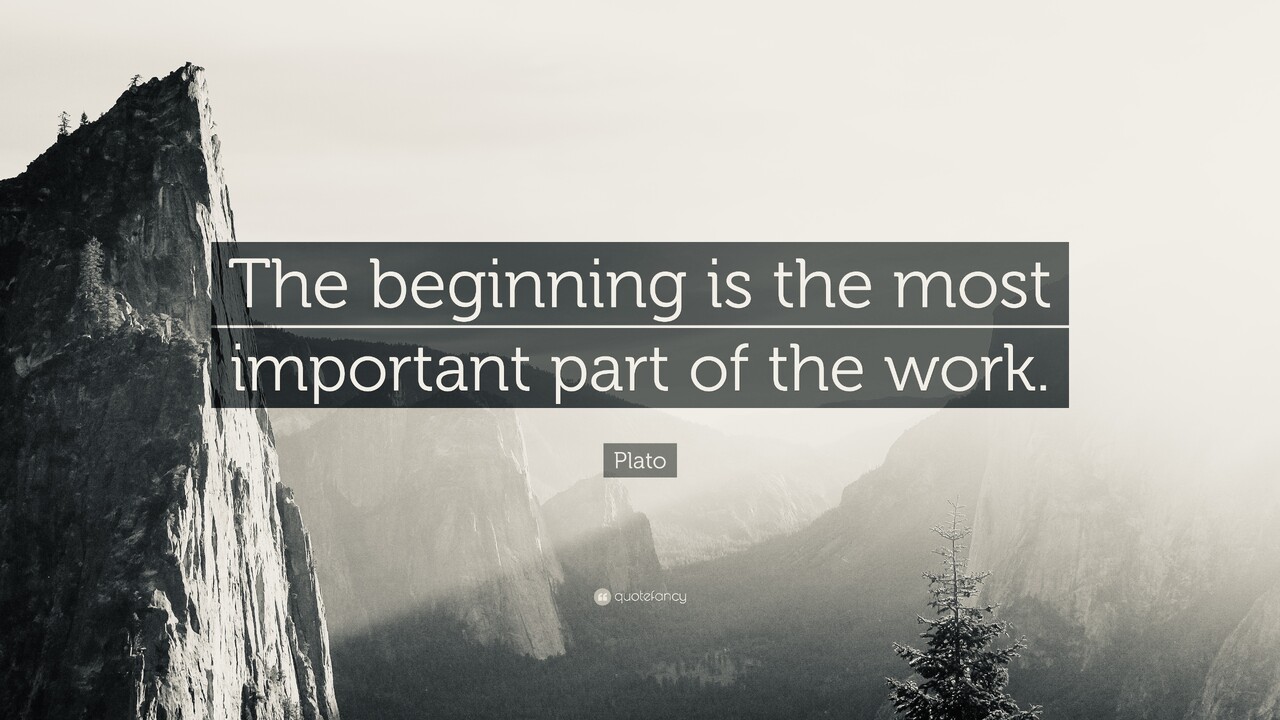
“The beginning is the most important part of the work.” – Plato
Bridges are not built all at once. They are made one step at a time. Each piece of stone or wood is laid in proper order. If a team tried to build the entire bridge from foundation to roadway at one time, it wouldn’t work. That’s the same with bridge-building within our communities. It’s about hearing a call and taking forward action. As Oliver Wendell Holmes Sr. said, “The great thing in this world is not so much where we stand as in what direction we are moving. To reach the port of heaven, we must sometimes sail with the wind and sometimes against it—but we must sail and not drift, nor lie at anchor.”
This is where Heroes Wanted, and Bridges Needed come together. The premise of Heroes Wanted is that we all can be someone else’s hero. We often wait for a superhero, a billionaire, some movie star, something extraordinary, and frankly, that person doesn’t exist and is not coming. It doesn’t require anything other than us to be ourselves and handle and give what we must live within our own 3ft. We each have something to offer. Suppose we all maintain our own 3ft and are bridges within each other’s 3ft. We all can be a bridge to one another just by our regular interaction and how we greet each other, treat each other, and think about one another. We are more powerful than we think.
Have you ever been on the job, and someone said something slight to you, but it was cutting or biting, and it just brought you down? They didn’t have any significant power to harm you, but they did. The converse is true with that, as well. We can uplift in the same way; if we can cut and destroy with little power, we can build a little strength, too.
It’s Pollyannaish in some ways, but it leads to bigger things. It leads to a relationship. It leads to us helping one another. A smile is just the beginning. Everybody plays their part. That’s 3ft. That’s the difference.
Through Commitment, We Find Compassion
By Rodney Bullard
CEO The Same House PBC | Former Senior Executive at Chick-fil-A / Global CSR, ESG and Marketing Leader | Best-Selling Author | Former AUSA | Former Air Force JAG l Corporate and Non-profit Board Director
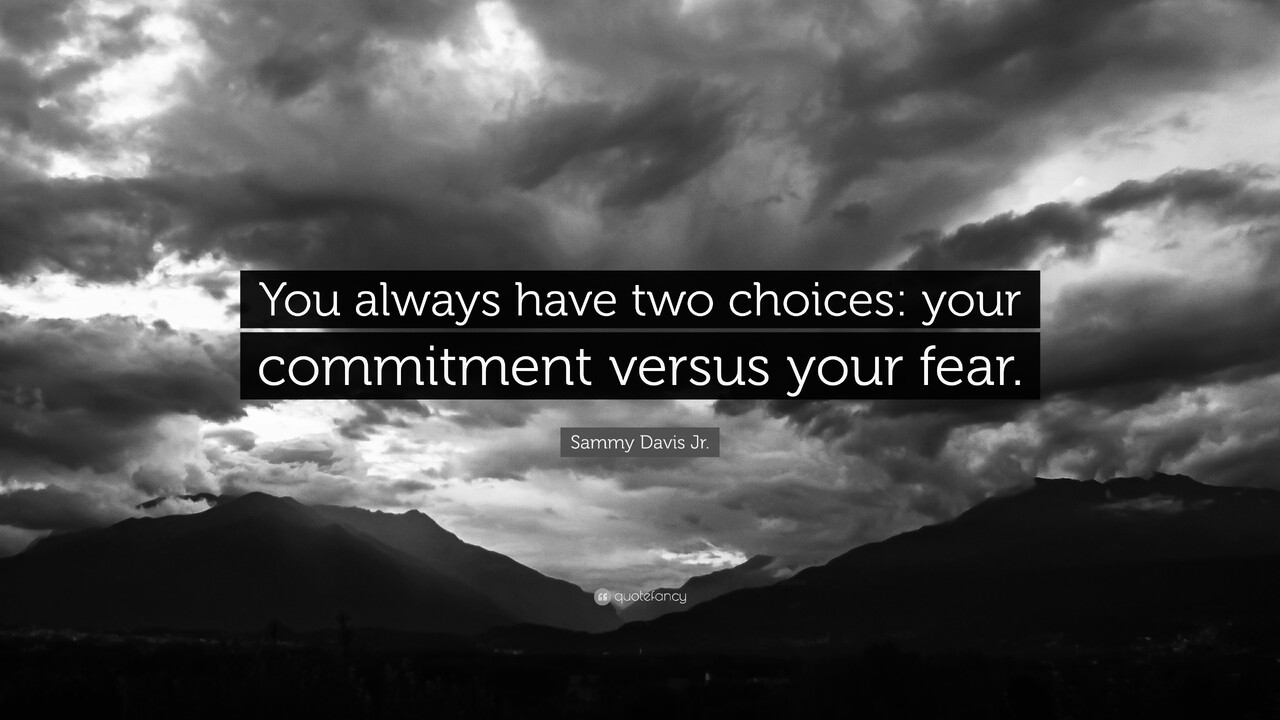
“You always have two choices: your commitment versus your fear.” – Sammy Davis, Jr.
The Red Oak Creek Covered bridge has stood for over 175 years spanning across the creek that shares its name. Even more, through wars, floods, societal change, and the appropriately mundane family gathering, the bridge has carried history into tomorrow, bridging the past and the present.
Like most bridges, it was born of a void, starting with its builder Horace King – part black, part white, part Catawba Indian. he was the personal embodiment of a crossroads. King was born into slavery in South Carolina in 1807. He and his master, John Godwin, started building bridges using a new technique and essentially became partners. They traveled around the antebellum South, building bridges. When their bridge that crossed the Chattahoochee River washed away, they were asked to rebuild it. Under pressure to build the bridge quickly, Godwin promised to set King free if they hit their deadline. The bridge was completed on time, and King became a free man. After Godwin died, King went on to build 100 more bridges in the soon-to-be Confederate States of America. Over time, all but one bridge was either destroyed or replaced. The Red Oak Creek bridge has outlasted 30 presidents, national tragedies, and natural disasters. It spans the distance from the past to the future.
As I reflect on this bridge, I see how our Commitment to the future can help mend past wounds. We can revisit old beliefs with dedicated action and question how they serve us now. We can start asking ourselves tough questions like what is broken that need to be fixed? Where can I show up and create an impact? And, how can I rise to span into the future with empathy and love?
If you want to succeed in anything, you must commit to it. Whether it’s your job, relationship, or fitness goals, you are much less likely to achieve them if you don’t commit to them. Committing means being willing to put in the work and seeing it through to the end. It is when you have a steadfast commitment to something that you will be able to achieve great things.