
Youth LEAD Georgia: Planting Seeds of Leadership Across the State
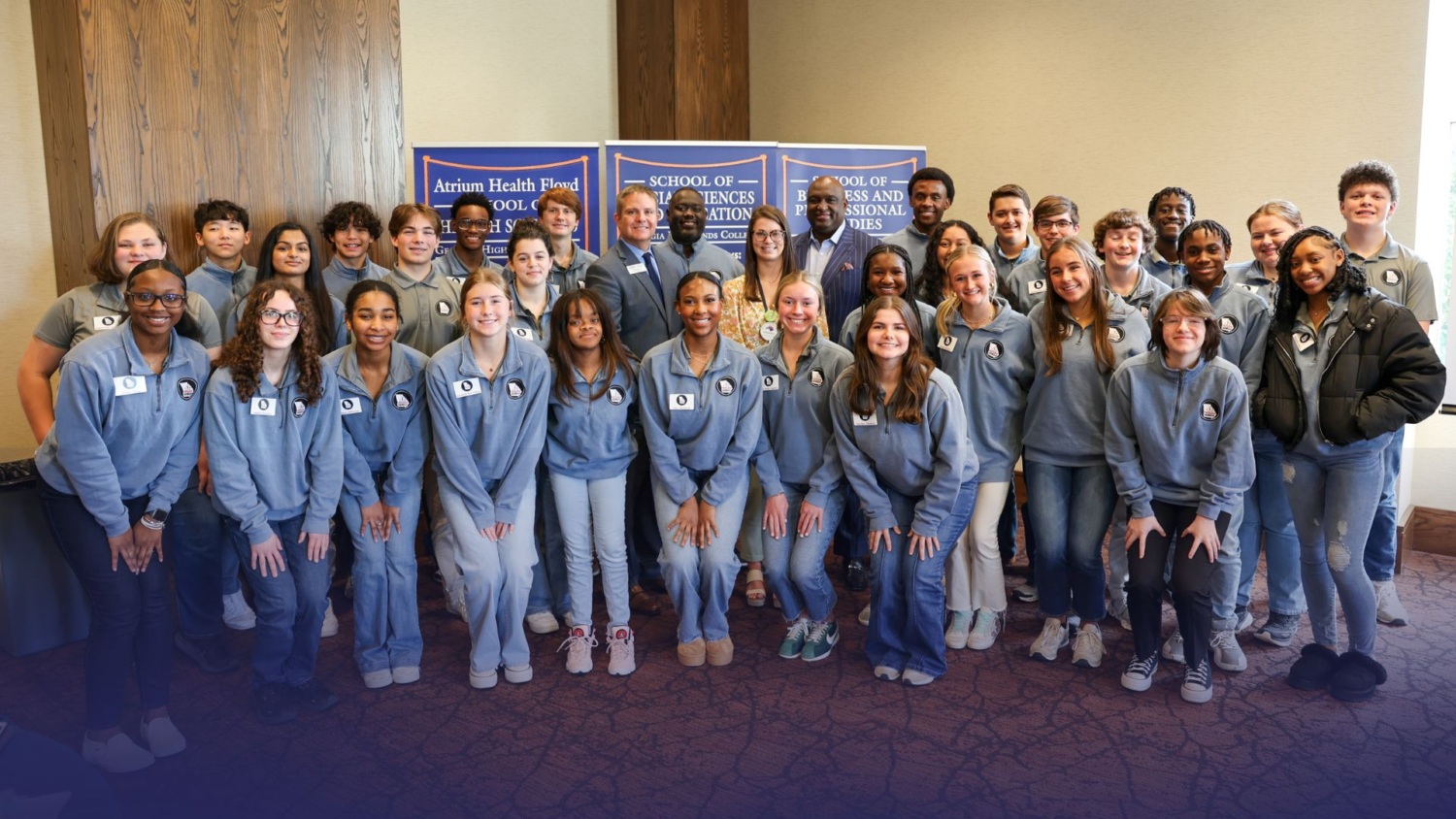
We often say that young people are the leaders of tomorrow. It is a comforting phrase. It gives us hope. But what I have seen through Youth LEAD Georgia reminds me that leadership is not a far-off promise. It is already happening, right here, right now.
Youth LEAD Georgia was born from a partnership between Chick-fil-A Inc., The Same House, and the University of Georgia’s J.W. Fanning Institute for Leadership Development. This collaboration was rooted in a simple belief: If we give young people the tools, trust, and time to lead, they will rise to the occasion. They do not need to wait for their turn. They just need to be given the chance to put their ideas into action.
Turning Vision Into Action
This year, we named 18 students from across the state as Bullard Community Champions. Each of them was selected from the inaugural class of Youth LEAD Georgia, where rising 10th and 11th-grade students learned about Georgia’s history, economy, and people through four weekend retreats and a four-day tour across the state. They met with local leaders, visited communities different from their own, and began to understand what leadership looks like when it is rooted in service. At the end of the program, students were invited to submit proposals for community projects they felt passionate about leading in their hometowns.
The Bullard Community Champions initiative was created to take those ideas a step further. It provides funding, mentorship, and ongoing support to help Youth LEAD Georgia graduates bring their projects to life. These students are not just dreaming about change. They are building it. The projects are as varied as the students who lead them, but they are all rooted in one thing: service.
Some projects focus on education. Others tackle food insecurity, mental health, veteran support, and youth empowerment. What they all have in common is that they come from a place of empathy. These students looked at the communities around them, saw where people were struggling, and asked, “What can I do to help?”
Leading with Heart
Ethan Yang from Cumming and Riley Kennard from Acworth answered that question by starting a mentorship program for immigrant students. Both of them have family members who immigrated to the United States. They know what it means to feel out of place. They also know how powerful it is to feel a sense of belonging. Together, they partnered with Mentor Me North Georgia to create small group sessions where students could connect, build friendships, and grow confidence. By the end, students who had barely spoken to each other were laughing and working together. That is the power of intentional community.
I think about Tierney Walton in Valdosta, who is hosting regular activity days for adults with Down syndrome. She is creating a space where people feel included and celebrated. I think about Mary Hollis Pugmire in Madison, who is working to redesign the teen center at her local Boys and Girls Club to help more students feel welcomed. These are not large-scale policy changes. They are personal acts of care. And that is what makes them so powerful.
Lessons from the Next Generation
As we prepare to welcome the next class of students, I find myself reflecting on what these young people have taught me. They have reminded me that leadership is not about titles. It is about responsibility. It is about choosing to care. It is about believing that small acts can lead to big change.
If we want a more connected Georgia, we need more leaders like this who are ready to listen, ready to serve, and ready to build something better.
Visit Youth Lead Georgia to learn more about how you can get involved.
3 Tips to Lead for Unity, Not Division

We live in a time when division is easy, and unity is rare. It is tempting to pick a side, draw a line, and fight the person on the other side of it.
But the real fight is not with our neighbors. It is not between people who vote differently, live differently, or pray differently. The real fight is against the systems and challenges that hold all of us back: a broken education pipeline, economic barriers, communities struggling with disconnection. If we truly live in the same house, then we need to stop tearing each other down and start building something better, together.
Unity is not just a moral imperative. It is a business case. It is a national security case. It is an economic necessity. When we are divided by race, class, religion, politics, or geography, we fail to act collectively on the issues that harm us all. Inaction leads to uncertainty, and that uncertainty limits opportunity for all and ultimately makes our communities less safe.
From Division to Opportunity
This disconnection shows up in our prisons. It shows up in dropout rates, unemployment numbers, and headlines about violence. When people are cut off from opportunity, they are more likely to be incarcerated. And when we choose not to address these root causes together, we all live with the consequences.
When I served in the U.S. Air Force as a Judge Advocate General Corps and later as an Assistant United States Attorney, I saw firsthand that we could not jail our way out of these issues. In my work leading anti-recidivism efforts at the Department of Justice, I witnessed how education and employment were the greatest predictors of whether someone would reoffend. And later, helping launch programs at Chick-fil-A for those left behind economically and socially, I came to understand something simple: leadership is not about position. It is about responsibility.
And we all have a role to play.
Building The Same House Together
Today, I serve my community in Atlanta and beyond through The Same House. To us, real leadership means bringing people together to solve problems, not pointing fingers to score points. It means recognizing that our justice system is downstream from our education system, and that if we want fewer people behind bars, we need more people in communities that care about their future.
So, how do we both lead and fight together?
Here are a few ways to start:
- Lead Where You Are: You do not have to be in a formal leadership position to make an impact. Leadership can happen at the dinner table, in the classroom, in the office, or from a pew on Sunday morning. It is choosing to act with integrity when no one is watching. Every time you choose to lead with compassion, to challenge injustice, or to create space for others, you are setting the tone for what is possible.
- Grab Someone by the Hand: Bring others with you. Leadership is not a solo act. It is not just about reaching your own goals, but about making sure others can reach theirs too. Every leader was once someone who needed a helping hand. Look for the pain points in your community and use those as starting places for connection, empathy, and action.
- Speak for Those Who Cannot: Silence in the face of injustice only strengthens the status quo. I think of Rosa Parks, who once said: “The only tired I was, was tired of giving in.” Every turning point in history began with someone who refused to accept the status quo. You may not see yourself as powerful, but your voice matters. Speaking up is rarely easy, but it is always necessary. Leadership means recognizing when someone else’s pain needs your voice and choosing to be brave enough to speak anyway.
Unity is the Foundation
We need more people willing to fight the real fight. Not against each other, but against the barriers that keep us from building a house that works for everyone. A house where opportunity is shared. Where unity is not just possible, it is necessary.
Strengthening The Same House – The Leadership of Ann Cramer
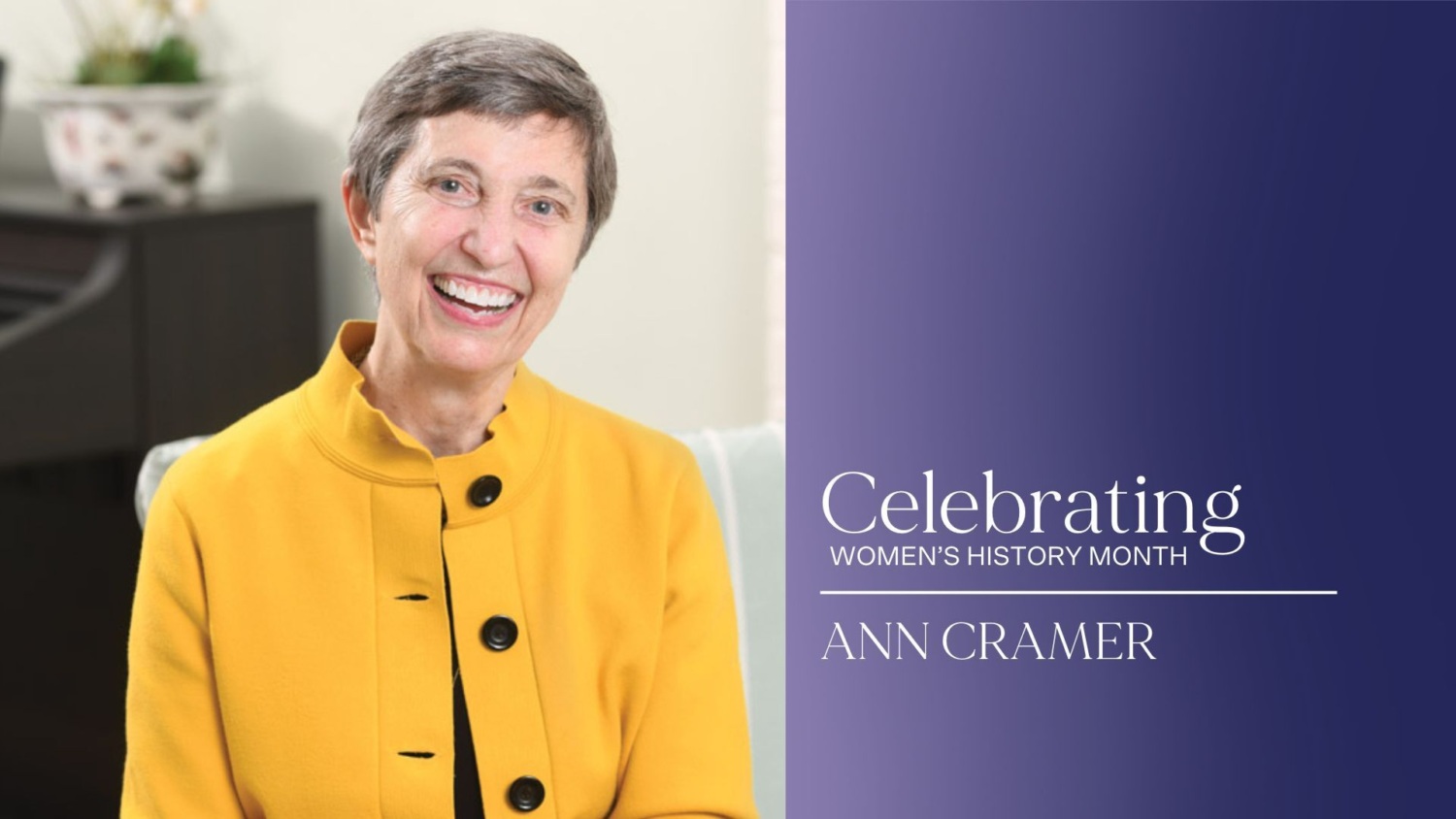
Honoring Women Who Lead with Purpose, Joy, and Lasting Impact
The Same House is only as strong as the people who pour themselves into building it. This Women’s History Month, we honor Ann Cramer—a woman whose legacy is not only defined by her achievements, but by the joy, hope, and humanity she brings to everyone around her.
Throughout history, women have led movements, changed systems, and built bridges across industries and communities. Ann Cramer is one of those leaders. She has helped shape Atlanta—and far beyond—not just through boardroom strategy or civic engagement, but through the spirit with which she leads: a spirit of fierce advocacy, deep compassion, and unshakable hope.
A Story of Strength, Joy, and Impact: Ann Cramer
Ann Cramer’s career is a masterclass in purpose-driven leadership. With a background in corporate strategy, workforce development, and community impact, she has consistently demonstrated how businesses can be forces for good—prioritizing people as much as profit, and investing in the long-term well‑being of communities.
But what sets Ann apart is more than her resume. It’s how she makes you feel.
As Maya Angelou reminds us, “People may forget what you said, they may forget what you did, but they will never forget how you made them feel.” Ann makes everyone feel vital, seen, and capable of affecting change. In every room, every conversation, she offers her full presence—making you feel like you are the only person that matters in that moment. And in doing so, she reminds us all that we matter.
She is not only a leader—she is a builder of hope, a mentor of advocates, and a champion of justice. She has raised a family of changemakers across Atlanta and beyond, planting seeds of service and compassion that will grow for generations.
Ann’s leadership is a reminder that refusing to give up on humanity is a radical act of love.
How Women Like Ann Cramer Strengthen The Same House
Women in leadership like Ann Cramer don’t just influence—they transform. Their impact ripples through communities and across sectors, creating a more inclusive, equitable future for all.
1. Business as a Force for Good
Ann has redefined what success looks like in business—advocating for models that prioritize both profit and purpose. Her work ensures that companies become pillars of their communities, not just drivers of revenue.
2. Mentorship & Workforce Development
Ann has long believed in the power of mentorship. She has poured her time, wisdom, and energy into nurturing the next generation of leaders—especially women. Her example reminds us that mentoring is not just guidance—it’s an act of building the future.
3. Fostering Inclusive Growth
Through her leadership, Ann has helped create systems where opportunity reaches more people, where diverse voices shape innovation, and where inclusion is woven into the fabric of success.
A Legacy of Joy, Hope & Belonging
Ann Cramer doesn’t just strengthen The Same House—she opens its doors wider. She shows us what it means to lead with heart, to act with purpose, and to never stop believing in the possibility of a better, more connected world.
Her greatest legacy may not be found in awards or titles, but in the thousands of lives she’s touched—each one left feeling just a bit more hopeful, more empowered, and more determined to do good.
Take The Same House Pledge Today!
Join us in honoring leaders like Ann by continuing the work of building a more inclusive and connected world. Take The Same House Pledge and commit to the Three C’s:
1️⃣ Connect – Build relationships with people from diverse backgrounds and foster communities of belonging.
2️⃣ Create – Ignite opportunities that bridge economic divides and spark meaningful collaboration.
3️⃣ Contribute – Share your talents and resources to uplift neighborhoods and expand opportunity for all.
👉 Visit our website to take the pledge and download our Pledge Toolkit, complete with social frames and banners to share your commitment.
Let’s live—and lead—like Ann. With joy. With hope. With purpose.
Let’s commit to being Connected in The Same House.
Expanding The Same House: Honoring Women Who Fought for Equality
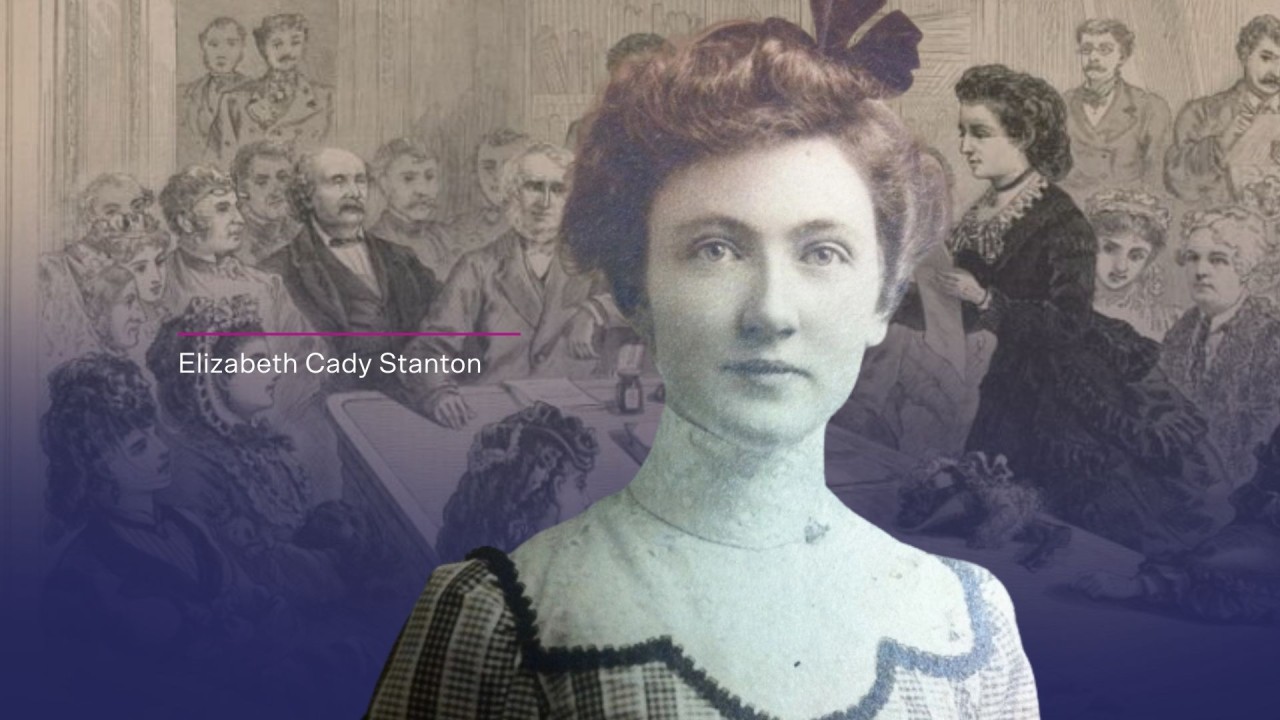
Elizabeth Cady Stanton’s Leadership and the Role We All Play in Progress
The Same House we all share today—our communities, our workplaces, our democracy—has been shaped by the efforts of women who stood up for fairness and opportunity. Their courage and persistence helped open doors that once seemed permanently closed. Yet, the journey toward full equality continues, and it’s a journey we must all walk together—women and men alike.
One of the early leaders in this movement was Elizabeth Cady Stanton, whose passion for justice helped ignite the women’s rights movement in the U.S. Before women had the right to vote, own property, or participate fully in society, she challenged the status quo with an unwavering belief: equal rights benefit everyone.
Building a Foundation for Change
In 1848, Stanton helped organize the Seneca Falls Convention, where she and other leaders laid out a bold vision in the Declaration of Sentiments, proclaiming:
“We hold these truths to be self-evident: that all men and women are created equal.”
Her work wasn’t just about voting rights. She championed:
✔️ Access to education ✔️ Fair property and marital laws ✔️ Economic opportunity ✔️ The right to participate fully in democracy
While she didn’t live to see the passage of the 19th Amendment, which granted women the right to vote, her leadership set the stage for generations of progress.
The Role of Men in Expanding The Same House
The work of ensuring fairness and opportunity isn’t just a women’s issue—it’s a shared responsibility. Many men stood alongside Stanton in her time, just as they do today, recognizing that when women succeed, communities grow stronger.
Men have a vital role to play in creating environments where everyone can thrive. Whether by advocating for fair policies, mentoring future leaders, or simply listening and learning, their partnership is essential in continuing this progress.
Where We Can Still Grow Together
🔹 Representation in Leadership – Women remain underrepresented in political offices and executive roles. Encouraging and supporting women in leadership benefits businesses, governments, and communities alike.
🔹 Workplace & Economic Equity – Pay gaps and barriers to advancement still exist. Advocating for fair pay, family-friendly policies, and career opportunities for all strengthens the economy and the workforce.
🔹 Expanding Opportunities & Rights – From education to healthcare, ensuring equal access to resources creates stronger, healthier communities for everyone.
How We Can Support One Another
✅ Champion Women in Leadership – Support, vote for, and uplift women in decision-making roles.
✅ Invest in Equity at Work – Advocate for fair wages, mentorship, and workplace policies that support work-life balance.
✅ Listen, Learn & Engage – Have conversations about the challenges that remain and find ways to be part of the solution.
We’re Stronger Together
Elizabeth Cady Stanton’s work reminds us that lasting change happens when we come together. The progress we’ve made is thanks to the efforts of women and men alike who believed in fairness, opportunity, and unity.
And the work isn’t done yet.
Expanding The Same House means ensuring that everyone—regardless of gender—has a fair shot at success. It’s about lifting one another up, recognizing our shared humanity, and building a future where equality isn’t just an ideal, but a reality.
Let’s continue moving forward, together.
#TheSameHouse #WomensHistoryMonth #BetterTogether #EqualityForAll
The Work is Not Done—It’s Up to Us
Elizabeth Cady Stanton’s legacy reminds us that change happens when people refuse to accept inequality as inevitable. The freedoms we enjoy today were won through generations of persistence, courage, and collective action.
But The Same House is not complete until all women have equal opportunities, recognition, and protections.
As we honor the trailblazers who fought before us, let’s recommit to ensuring that their work is not just remembered—but carried forward. Because when we invest in women, we invest in the strength of our communities, our future, and the very foundation of justice.
Together, let’s continue expanding The Same House.
#TheSameHouse #WomensHistoryMonth #EqualityForAll #DoGoodTogether
Take The Same House Pledge Today!
Join us in building a more inclusive and connected world by taking The Same House Pledge. Together, we can strengthen our communities through the power of the Three C’s:
1️⃣ Connect – Build relationships with people from diverse backgrounds and foster communities of belonging.
2️⃣ Create – Ignite new opportunities that bridge economic divides and spark meaningful collaboration.
3️⃣ Contribute – Share your talents and resources to uplift neighborhoods and enhance economic opportunities for all.
Visit our website to take the pledge and access our Pledge Toolkit, which includes social frames and banners to proudly showcase your commitment.
Let’s commit to living as neighbors in The Same House!
Strengthening the Same House – Honoring Women in Leadership

Celebrating the legacy of Shirley Franklin and the women who shape our communities
Women’s History Month is a time to reflect on the leaders, visionaries, and trailblazers who have not only broken barriers but have also strengthened the communities they serve. Leadership isn’t just about holding a position, it’s about creating impact, uplifting others, and ensuring that progress is sustained for future generations.
Throughout history, women have been at the forefront of public service, policy change, and community advocacy, ensuring that voices are heard and resources are allocated where they are needed most. Shirley Franklin, the first Black woman to be elected mayor of Atlanta, is one such leader whose contributions transformed the city and strengthened the foundation of the Same House for all.
In this installment of our Women’s History Month series, we explore how Shirley Franklin’s leadership reshaped Atlanta, setting an example of vision, determination, and service that continues to inspire.
A Story of Strength: Shirley Franklin – A Legacy of Leadership and Service
Few leaders have left an imprint on Atlanta quite like Shirley Franklin. When she was elected Mayor of Atlanta in 2002, she became the first Black woman to lead a major Southern city. Her election wasn’t just historic, it was transformative.
Franklin stepped into leadership at a critical time when Atlanta faced significant financial and infrastructure challenges. Rather than shy away from these issues, she tackled them head-on, launching bold initiatives to repair the city’s aging sewer system, strengthen its financial health, and enhance public services. Her leadership restored economic stability and confidence in the city’s ability to meet the needs of its people.
Beyond city infrastructure, Franklin was a champion for civil rights and social justice. She played a pivotal role in preserving the legacy of Dr. Martin Luther King Jr., working to acquire and protect his personal papers, ensuring that future generations could learn from his leadership and sacrifices.
Her dedication to education, economic empowerment, and community development positioned Atlanta as a model for cities across the country. Franklin understood that true leadership is not about maintaining power but about creating pathways for others to succeed.
How Women Like Shirley Franklin Strengthen the Same House
The work of leaders like Shirley Franklin goes beyond the policies they enact—it’s about creating systems that foster equity, inclusion, and opportunity for all. The foundation of the Same House is stronger because of women who have led with purpose, integrity, and vision.
- Women in Public Service Drive Meaningful Change: Leaders like Shirley Franklin prove that women in government bring innovative solutions, collaborative leadership, and community-first policies to the table. We must continue to support and uplift women in policy and governance to ensure that all communities thrive.
- Economic Empowerment is Key to Building Stronger Communities: Franklin’s leadership helped stabilize Atlanta’s economy and expand opportunities for small businesses and entrepreneurs. Supporting women-led economic initiatives and investing in community development programs ensures that cities and communities remain vibrant and sustainable.
- Representation and Legacy Matter: Just as Franklin worked to preserve Dr. King’s legacy, we must ensure that women’s contributions to leadership and progress are documented, celebrated, and remembered. When young women and girls see leaders who look like them, they recognize that their ambitions are not just possible but necessary.
Action Steps for Honoring and Supporting Women in Leadership
- Encourage Women in Public Service: Support female candidates, engage in civic conversations, and advocate for policies that empower women in leadership roles.
- Invest in Women-Owned Businesses and Economic Initiatives: Contribute to organizations and programs that provide financial and professional resources to women entrepreneurs.
- Uplift Women’s Voices and Contributions: Share the stories of female leaders, past and present, to ensure their impact is recognized and honored.
- Mentor and Sponsor the Next Generation: Just as Shirley Franklin helped shape the future of Atlanta, we can all play a role in mentoring young women and helping them become leaders in their fields.
Takeaway: Honoring Women Who Lead with Purpose
Shirley Franklin’s leadership reminds us that women have long been architects of progress, builders of communities, and defenders of justice. The Same House stands stronger because of women like her who have taken on the challenges of leadership, not just for personal success, but for the success of the communities they serve.
As we continue celebrating Women’s History Month, let’s recognize the women in leadership who are shaping policy, strengthening communities, and creating pathways for future generations. Their contributions are not just a part of history, they are the foundation of a more inclusive, equitable, and thriving future.
This month and beyond, let’s not just acknowledge women’s leadership, let’s actively support and invest in it. Because when women lead, we all rise.
Take The Same House Pledge Today!
Join us in building a more inclusive and connected world by taking The Same House Pledge. Together, we can strengthen our communities through the power of the Three C’s:
1️⃣ Connect – Build relationships with people from diverse backgrounds and foster communities of belonging.
2️⃣ Create – Ignite new opportunities that bridge economic divides and spark meaningful collaboration.
3️⃣ Contribute – Share your talents and resources to uplift neighborhoods and enhance economic opportunities for all.
Visit our website to take the pledge and access our Pledge Toolkit, which includes social frames and banners to proudly showcase your commitment.
Let’s commit to living as neighbors in The Same House!
Furnishing the Future – Creating a Home Where Everyone Belongs
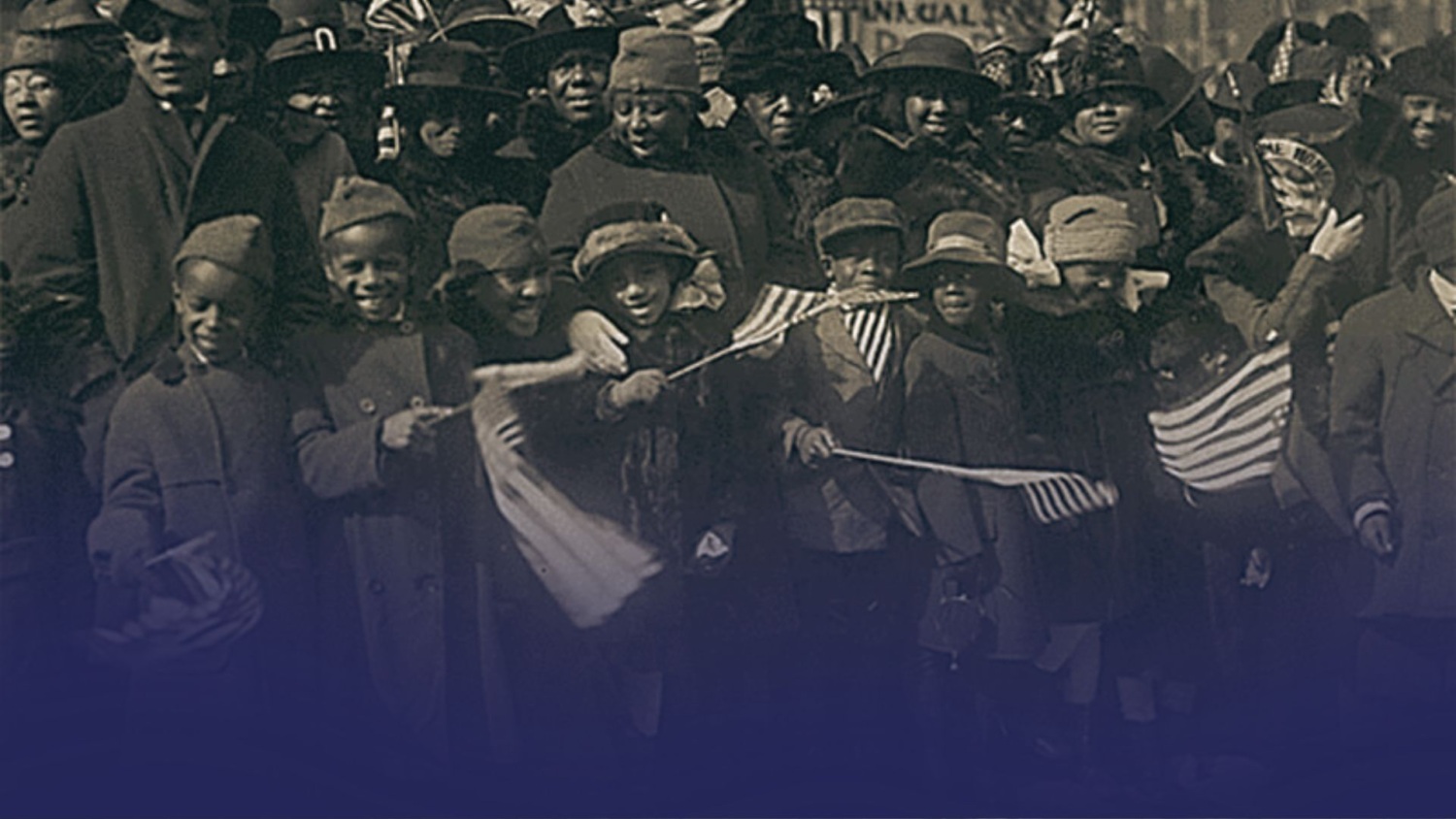
Celebrating the legacy of Shirley Franklin and the women who shape our communities
Women’s History Month is a time to reflect on the leaders, visionaries, and trailblazers who have not only broken barriers but have also strengthened the communities they serve. Leadership isn’t just about holding a position, it’s about creating impact, uplifting others, and ensuring that progress is sustained for future generations.
Throughout history, women have been at the forefront of public service, policy change, and community advocacy, ensuring that voices are heard and resources are allocated where they are needed most. Shirley Franklin, the first Black woman to be elected mayor of Atlanta, is one such leader whose contributions transformed the city and strengthened the foundation of the Same House for all.
In this installment of our Women’s History Month series, we explore how Shirley Franklin’s leadership reshaped Atlanta, setting an example of vision, determination, and service that continues to inspire.
A Story of Strength: Shirley Franklin – A Legacy of Leadership and Service
Few leaders have left an imprint on Atlanta quite like Shirley Franklin. When she was elected Mayor of Atlanta in 2002, she became the first Black woman to lead a major Southern city. Her election wasn’t just historic, it was transformative.
Franklin stepped into leadership at a critical time when Atlanta faced significant financial and infrastructure challenges. Rather than shy away from these issues, she tackled them head-on, launching bold initiatives to repair the city’s aging sewer system, strengthen its financial health, and enhance public services. Her leadership restored economic stability and confidence in the city’s ability to meet the needs of its people.
Beyond city infrastructure, Franklin was a champion for civil rights and social justice. She played a pivotal role in preserving the legacy of Dr. Martin Luther King Jr., working to acquire and protect his personal papers, ensuring that future generations could learn from his leadership and sacrifices.
Her dedication to education, economic empowerment, and community development positioned Atlanta as a model for cities across the country. Franklin understood that true leadership is not about maintaining power but about creating pathways for others to succeed.
How Women Like Shirley Franklin Strengthen the Same House
The work of leaders like Shirley Franklin goes beyond the policies they enact—it’s about creating systems that foster equity, inclusion, and opportunity for all. The foundation of the Same House is stronger because of women who have led with purpose, integrity, and vision.
- Women in Public Service Drive Meaningful Change: Leaders like Shirley Franklin prove that women in government bring innovative solutions, collaborative leadership, and community-first policies to the table. We must continue to support and uplift women in policy and governance to ensure that all communities thrive.
- Economic Empowerment is Key to Building Stronger Communities: Franklin’s leadership helped stabilize Atlanta’s economy and expand opportunities for small businesses and entrepreneurs. Supporting women-led economic initiatives and investing in community development programs ensures that cities and communities remain vibrant and sustainable.
- Representation and Legacy Matter: Just as Franklin worked to preserve Dr. King’s legacy, we must ensure that women’s contributions to leadership and progress are documented, celebrated, and remembered. When young women and girls see leaders who look like them, they recognize that their ambitions are not just possible but necessary.
Action Steps for Honoring and Supporting Women in Leadership
- Encourage Women in Public Service: Support female candidates, engage in civic conversations, and advocate for policies that empower women in leadership roles.
- Invest in Women-Owned Businesses and Economic Initiatives: Contribute to organizations and programs that provide financial and professional resources to women entrepreneurs.
- Uplift Women’s Voices and Contributions: Share the stories of female leaders, past and present, to ensure their impact is recognized and honored.
- Mentor and Sponsor the Next Generation: Just as Shirley Franklin helped shape the future of Atlanta, we can all play a role in mentoring young women and helping them become leaders in their fields.
Takeaway: Honoring Women Who Lead with Purpose
Shirley Franklin’s leadership reminds us that women have long been architects of progress, builders of communities, and defenders of justice. The Same House stands stronger because of women like her who have taken on the challenges of leadership, not just for personal success, but for the success of the communities they serve.
As we continue celebrating Women’s History Month, let’s recognize the women in leadership who are shaping policy, strengthening communities, and creating pathways for future generations. Their contributions are not just a part of history, they are the foundation of a more inclusive, equitable, and thriving future.
This month and beyond, let’s not just acknowledge women’s leadership, let’s actively support and invest in it. Because when women lead, we all rise.
Take The Same House Pledge Today!
Join us in building a more inclusive and connected world by taking The Same House Pledge. Together, we can strengthen our communities through the power of the Three C’s:
1️⃣ Connect – Build relationships with people from diverse backgrounds and foster communities of belonging.
2️⃣ Create – Ignite new opportunities that bridge economic divides and spark meaningful collaboration.
3️⃣ Contribute – Share your talents and resources to uplift neighborhoods and enhance economic opportunities for all.
Visit our website to take the pledge and access our Pledge Toolkit, which includes social frames and banners to proudly showcase your commitment.
Let’s commit to living as neighbors in The Same House and transforming our communities, together. Take the pledge today! 🌟
A Roof Over Our Heads – Creating Safe and Supportive Environments

Ensuring Safety, Security, and Empowerment for All
A house isn’t just about having a foundation and walls; it needs a roof to provide shelter, security, and protection. Without it, the structure is vulnerable to outside forces—storms, extreme heat, cold, and unpredictable elements. The Same House concept reminds us that in our communities, the “roof” symbolizes the structures and systems that create safe, supportive, and empowering environments for everyone.
The question we must ask ourselves is: Are we creating a house where everyone feels safe, valued, and empowered to thrive?
For generations, Black communities have fought not just for legal rights, but for the fundamental security that comes with fair housing, quality healthcare, educational opportunities, and economic stability. The struggle for civil rights was not just about ending segregation—it was about ensuring that everyone had a roof over their heads, both literally and metaphorically.
Safety isn’t just about avoiding harm; it’s about creating environments where people can dream, grow, and build. Whether in our workplaces, schools, or neighborhoods, we must work to build a society that doesn’t just exist but thrives.
A Story of Strength: The Montgomery Bus Boycott and the Power of Collective Protection
One of the most powerful examples of a community coming together to protect and support one another was the Montgomery Bus Boycott of 1955-56.
When Rosa Parks refused to give up her seat on a segregated bus, her arrest sparked a movement that would change the course of history. But the success of the Montgomery Bus Boycott wasn’t just about one brave act of defiance—it was about a community building a protective “roof” over their people.
For 381 days, Black residents of Montgomery refused to ride public transportation, choosing instead to walk miles to work, carpool, or find alternative transportation. This wasn’t easy—many people faced harassment, lost their jobs, and endured economic hardships. Yet, they stood firm, knowing that their sacrifice would create a safer, more equitable future.
Black churches organized carpools, community leaders offered support, and even those who suffered personally remained committed to the cause. This collective protection proved that when a community bands together to create security and support, no storm can tear them down.
Eventually, the Supreme Court ruled that segregation on public buses was unconstitutional. But beyond the legal victory, the boycott proved something even greater—when people support and uplift one another, they can build a society where everyone feels protected and valued.
How We Build Protective Spaces Today
Creating safe and empowering environments isn’t just about laws and policies—it’s about ensuring that everyone, especially the most marginalized, has access to opportunities, resources, and protection from systemic barriers.
Access to safe and affordable housing is a fundamental right, yet disparities in housing continue to disproportionately impact Black communities. Organizations like Partners for Home and Westside Future Fund are working to address these disparities in Atlanta, ensuring that individuals and families have stable living conditions. Just as the Montgomery community came together to support one another during the bus boycott, today we must rally to protect historically Black neighborhoods from gentrification, redlining, and economic displacement. Housing should never be a privilege afforded to a few—it must be a priority that safeguards the integrity and stability of all communities.
Safety extends beyond physical security; it includes emotional and psychological well-being. The trauma of racial discrimination, economic struggle, and lack of access to quality healthcare leaves lasting effects on individuals and families. Big Brothers Big Sisters Atlanta and the Latin American Association are working to provide mentorship and emotional support that helps individuals navigate life’s challenges. Mental health resources, community support groups, and mentorship programs are essential in fostering spaces where people feel valued, supported, and empowered to overcome adversity. Ensuring access to these resources is crucial for building resilient communities where people can thrive.
Workplaces and schools are key spaces where inclusion and safety must be prioritized. Discrimination and bias don’t just exist in public policy; they manifest in hiring practices, leadership pipelines, and classroom environments. Organizations must commit to diversity, equity, and inclusion (DEI) initiatives that ensure fair hiring, mentorship opportunities, and career growth for Black professionals. Schools, too, must embrace culturally responsive curriculums that celebrate Black history and foster inclusive learning environments where all students feel empowered. Creating safer, more inclusive workplaces and schools is a necessary step in ensuring that Black professionals and students alike have the support and opportunities they need to succeed.
Action Steps for Building a More Supportive Community
Advocate for Policies That Protect the Vulnerable.
- Support local and national initiatives that focus on economic justice, housing, and education for underserved communities.
- Get involved with organizations like City of Refuge that provide direct support to communities in need.
Mentor and Uplift Others.
- Just as the Montgomery community uplifted each other, we can do the same today by providing mentorship, networking opportunities, and financial literacy education.
- Take an active role in mentoring young people, guiding them through career opportunities, and providing emotional support.
Create Safe Spaces in Your Community.
- Whether at work, in schools, or in your neighborhood, advocate for policies and initiatives that promote inclusivity and well-being.
- Ensure that workplaces have zero-tolerance policies for discrimination and foster inclusive environments.
Invest in Organizations That Provide Security and Stability.
- Support organizations that focus on housing, economic mobility, and education.
- Amplify and invest in initiatives that provide real solutions for marginalized communities.
Takeaway: Protecting and Empowering Each Other in the Same House
A strong house has a roof that shelters and protects everyone beneath it. It is up to us to ensure that our communities provide safety, opportunity, and empowerment for all people.
When Rosa Parks refused to give up her seat, she wasn’t just fighting for her own dignity—she was igniting a movement that would provide protection and security for generations to come. The Montgomery Bus Boycott was proof that when a community commits to protecting one another, no obstacle is too great.
Today, as we reflect on Black history and look toward the future, let’s ask ourselves: Are we creating a society where everyone feels safe, valued, and empowered?
Our house is only as strong as the security we build within it. Let’s work together to create environments where economic, emotional, and physical safety are the standard—not the exception.
Together, we build. Together, we thrive.
Take The Same House Pledge Today!
Join us in building a more inclusive and connected world by taking The Same House Pledge. Together, we can strengthen our communities through the power of the Three C’s:
1️⃣ Connect – Build relationships with people from diverse backgrounds and foster communities of belonging.
2️⃣ Create – Ignite new opportunities that bridge economic divides and spark meaningful collaboration.
3️⃣ Contribute – Share your talents and resources to uplift neighborhoods and enhance economic opportunities for all.
Visit our website to take the pledge and access our Pledge Toolkit, which includes social frames and banners to proudly showcase your commitment.
Let’s commit to living as neighbors in The Same House and transforming our communities, together. Take the pledge today! 🌟
A Season of Giving: Building Bridges and Sharing Hope

A Season of Giving: Building Bridges and Sharing Hope
As the year winds down and the holiday season approaches, we enter a time of reflection, gratitude, and connection. For many, Christmas is a season of joy—a time to gather with loved ones, exchange gifts, and cherish the warmth of community. Yet, beyond the lights and carols lies a deeper calling: the opportunity to embrace the true spirit of giving.
Giving as a Catalyst for Change
Giving is more than exchanging gifts or sharing festive meals. It’s about offering hope, showing kindness, and making a meaningful impact in the lives of others. At its core, giving is an act of connection—a way of saying, “I see you. I value you. We are in this together.” Whether it’s volunteering your time, offering words of encouragement, or contributing resources, every act of generosity builds bridges that connect and strengthen us as a community.
Through my work with The Same House, I’ve witnessed the transformative power of collective giving. From mentoring programs that unlock the potential of young minds to initiatives that provide stability for vulnerable families, I’ve seen how intentional acts of generosity can create lasting change.
Reflecting on 2024
As we prepare to close the chapter on 2024, I’m filled with gratitude for the work we’ve accomplished together. This year, our 2023 Beloved Beneficiaries have demonstrated the profound impact of giving in Atlanta and beyond. They’ve reminded us that the holiday season isn’t just about celebration; it’s about action.
Organizations like Westside Future Fund, First Step Staffing, Boys and Girls Club of Atlanta and the Urban League of Greater Atlanta which provide holistic support to underserved families, are building bridges to brighter futures through housing, job training, and mental health services. Similarly, Hillside, Silence the Shame and Chris180 empower and educate communities on mental health and wellness, proving that giving isn’t just about addressing today’s challenges—it’s about investing in tomorrow.
A Call to Action: Take The Same House Pledge
This holiday season, I invite you to join me in taking The Same House Pledge—a commitment to Connect, Create, and Contribute. Together, we can foster a spirit of giving that builds bridges, strengthens communities, and ensures that everyone belongs.
Here’s how you can get involved:
Connect
Build meaningful relationships by volunteering your time. Serve meals at a shelter, mentor a young person, or simply spend time listening and encouraging someone who needs it.
Create
Use your skills and creativity to make an impact. Lead a workshop, offer mentorship, or contribute your expertise to organizations making a difference.
Contribute
Make a financial gift to support nonprofits like our Beloved Beneficiaries. Every dollar helps to create a brighter future for individuals and families in need.
You can take the pledge and learn more about these opportunities at https://thesamehouse.org/actions/pledge/.
Building a Legacy of Hope
When we give—whether through our time, resources, or talents—we’re not just improving someone else’s life. We’re building a legacy of kindness and hope. We’re declaring that we are part of the same house, connected by our shared humanity and the bonds that hold us together.
This Christmas, let’s celebrate the gift of connection and the power of giving. Let’s build bridges that break down barriers and create a stronger, more unified community.
Looking Ahead
As we embrace this season of giving, let’s also look forward to the work ahead in the new year. While 2024 brought challenges, it also brought countless opportunities to serve. In 2025, we can continue to Connect, Create, and Contribute in even more impactful ways.
For now, let’s focus on the present—the chance to make someone’s holiday brighter. Together, we can honor the spirit of the season by giving generously, building meaningful connections, and creating a legacy of hope.
Happy holidays to you and your loved ones. May this season bring joy, purpose, and countless opportunities to give and grow.
Expanding the Gift of Legacy
