
Martin Luther King Jr.’s Call to Action
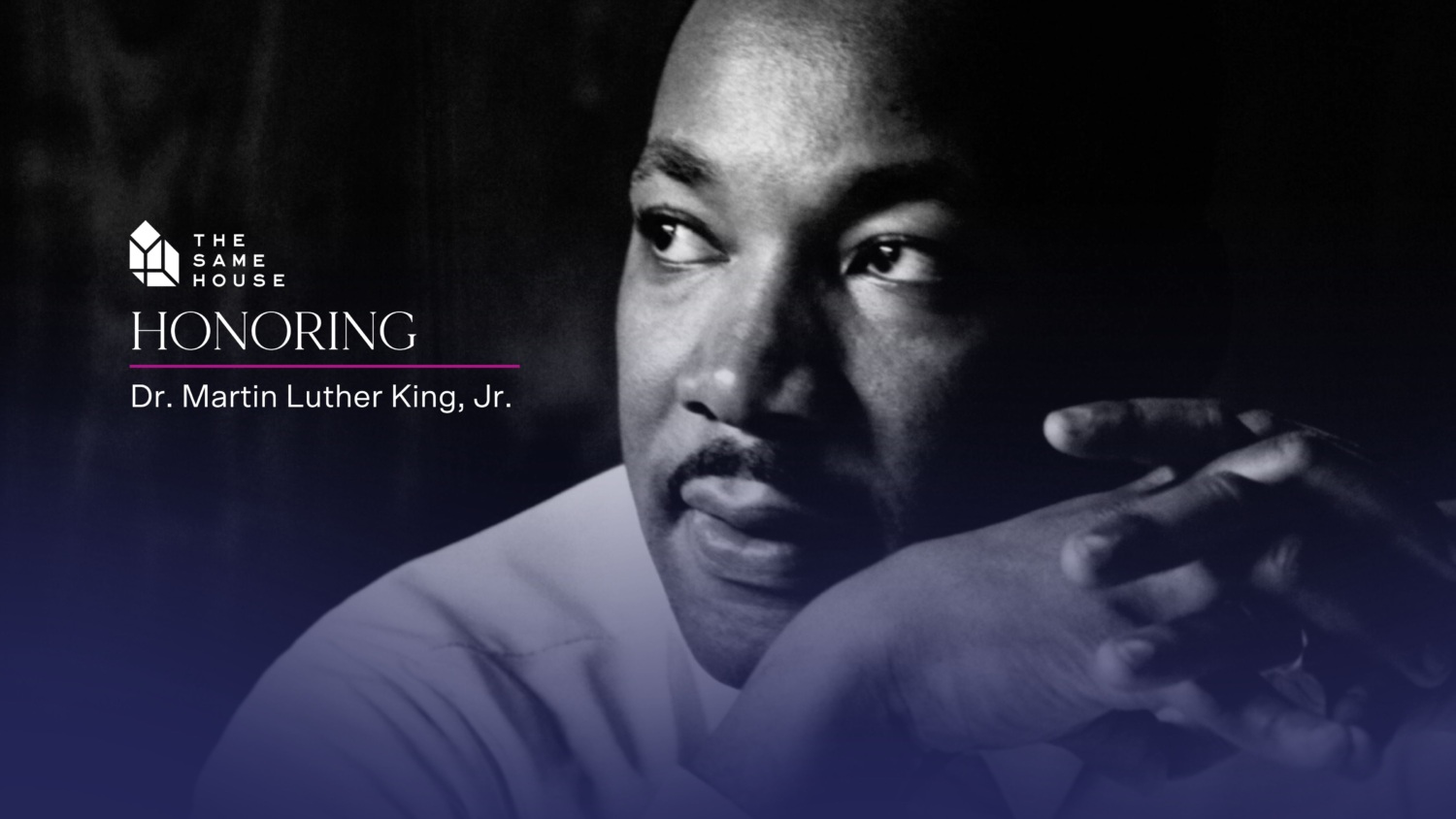
Dr. Martin Luther King Jr. spoke often about what he called the Beloved Community, a vision of society rooted in justice, compassion, and shared responsibility. It was not a distant dream or an abstract ideal. It was a call to action. One that demanded courage, commitment, and a willingness to see and care for one another, regardless of our differences.
That vision is what inspired The Same House and the Beloved Benefit, which raises funds to support organizations across Atlanta and beyond that are building the Beloved Community. At its core, our mission is rooted in Dr. King’s belief that progress happens when people come together across lines of race, faith, class, and ideology, not to erase our differences, but to honor our shared humanity. The Beloved Community is built through these relationships.
Today, as we reflect on Dr. King’s legacy, we have a choice: to retreat into division and distrust, or to recommit to the everyday work of building a Beloved Community.
Leaning Into the Call Today
Dr. King understood that justice is not self-executing. It requires people who are willing to show up, speak out, and stay engaged even when progress feels uncomfortable. Leaning into his call today means recognizing that unity is not passive. It is practiced.
In a time marked by polarization, it can be tempting to focus only on our own circles or to disengage altogether. But Dr. King challenged us to do the opposite. He called on us to lean in, especially when division feels strongest.
That means listening to people who are different from ourselves. It means choosing collaboration over conflict. It means refusing to accept inequity as inevitable and instead asking how our systems, institutions, and communities can better reflect dignity and fairness for all.
Leaning into Dr. King’s call also means understanding that justice and unity are not competing values. They are inseparable. Unity without justice is fragile, and justice without unity is incomplete. The Beloved Community requires both.
The Work That Remains
While we have made meaningful strides since Dr. King’s time, the work is far from finished. Economic inequality continues to limit opportunity for too many families. Educational access remains unbalanced. Communities are still divided by mistrust and misunderstanding.
Progress is possible when we are willing to confront hard truths and take practical steps forward. When businesses invest in equitable opportunity and fair wages. When governments prioritize policies that expand access to housing, healthcare, and education. When faith and community leaders create spaces for dialogue, healing, and service.
At The Same House, we see progress take shape when unlikely partners come together around a shared mission. When people who may not agree on everything choose to work side by side in the service of something greater than themselves.
Building the Beloved Community, Together
Dr. King believed that the Beloved Community is built through peace, empathy, and collective action. It is sustained not by perfection, but by perseverance.
Every act of service, every bridge built across difference, every effort to uplift someone else brings us closer to that vision. The work of unity happens in boardrooms and classrooms, in churches and community centers, at kitchen tables and neighborhood gatherings. It happens when we decide that our shared future matters more than our individual comfort.
The Same House exists to help create those spaces, to foster collaboration, encourage courageous leadership, and remind us that we are stronger together than apart. Inspired by Dr. King’s vision, our work continues to focus on connection as the foundation for lasting change.
A Call to Action
Dr. King’s call to justice and unity did not end with his life. It lives on through the choices we make every day.
As we honor his legacy, I invite you to reflect on how you are living out that call. Where are you building bridges? How are you showing up for your community? In what ways are you using your voice, your time, or your resources to advance justice and understanding?
Share your story. Invite others into the work. Let your actions speak to the belief that the Beloved Community is not only possible. It is worth building.
Because when we lean into Dr. King’s call together, we do more than just remember his vision. We carry it forward.
Leadership Lessons for the New Year
Happy New Year to you and yours. As we step into 2026, I find myself feeling grateful for the opportunity to move forward with a renewed sense of purpose.
January is an invitation to take stock, to reset, and to move forward with greater focus. While many of us may be moving into this year with lessons still unfolding or goals left unfinished, that is not a setback. It is a starting point.
The Courage to Begin Again
I have had to start over more than once. One of the first times was while I was in the United States Air Force Academy. I chose the academy in part because it had a solid football program, and I set a goal to become an All-American. Then a knee injury ended my dream of playing on the field.
I had a choice. I could let that loss define me, or I could redirect the same drive toward a new path. I found that next chapter in a mock trial at Duke Law, then eventually served as an Assistant United States Attorney.
Starting over changed the goal but did not diminish it. It taught me that resilience is not about clinging to one path. It is about recommitting to service, even when the journey changes.
Leadership is not defined by perfect continuity. It is defined by the willingness to rebuild, to reimagine, and to return to the work with clarity.
What Starting Again Has Taught Me
Starting over has been one of my greatest teachers. It has taught me to hold strong to my identity and my values.
Here are a few lessons I’m carrying into 2026.
1) Vision Starts With a Clear Why
When you start again, you get a rare gift. You get to ask the foundational questions.
Why does this work matter?
Who is this work for?
What outcome is worth the effort?
For us, The Same House exists to create a future where connection is the foundation of economic mobility and shared opportunity, where communities do not have to choose between growth and belonging.
A new year is the perfect time to return to your why and turn a reset into a runway.
2) Renewal Requires Assessment
Starting over is not only a fresh start, but also a mirror.
What worked last year?
What did not work?
What did you avoid?
What did you learn?
Many leaders keep pushing forward simply because stopping feels risky. But honest assessment is leadership at its very core.
It is possible to be faithful and tired. It is possible to be committed and discouraged. It is possible to be successful and still need renewal. The best leaders can voice these realities without surrendering hope.
3) Resilience Is Built Through Relationships
In times of uncertainty, resilience does not come from sheer willpower. Resilience comes from people.
It comes from the colleague who stays in the fight with you.
It comes from the community that reminds you that you are not alone.
Leadership can feel lonely when you carry such a heavy sense of responsibility. But at The Same House, we believe cross-sector partnerships are not a nice-to-have. They are the pathway forward.
Renewal in a Season of Uncertainty
Many leaders are entering 2026 with real questions about what lies ahead. Economic anxiety is real. Social division is real. Fatigue is real.
Uncertainty has a way of shrinking our imagination. It can narrow our thinking to survival. It can push leaders into isolation. It can tempt us to trade long-term vision for short-term control.
This is exactly when renewal matters most. It’s how you stay connected to the mission and the people you serve.
An Invitation for 2026
If you are starting again this year, know that you are not behind. You are in a moment that can become the beginning of your most meaningful chapter.
At The Same House, we are stepping into 2026 with vision and resolve. We are continuing to build bridges across divides. We are continuing to invest in economic mobility. We are continuing to create spaces where people can work together and act with shared purpose.
If you want to be part of that work, I invite you to stay close and subscribe to The Same House newsletter for new ways to get involved this year.
2025…Connected in The Same House
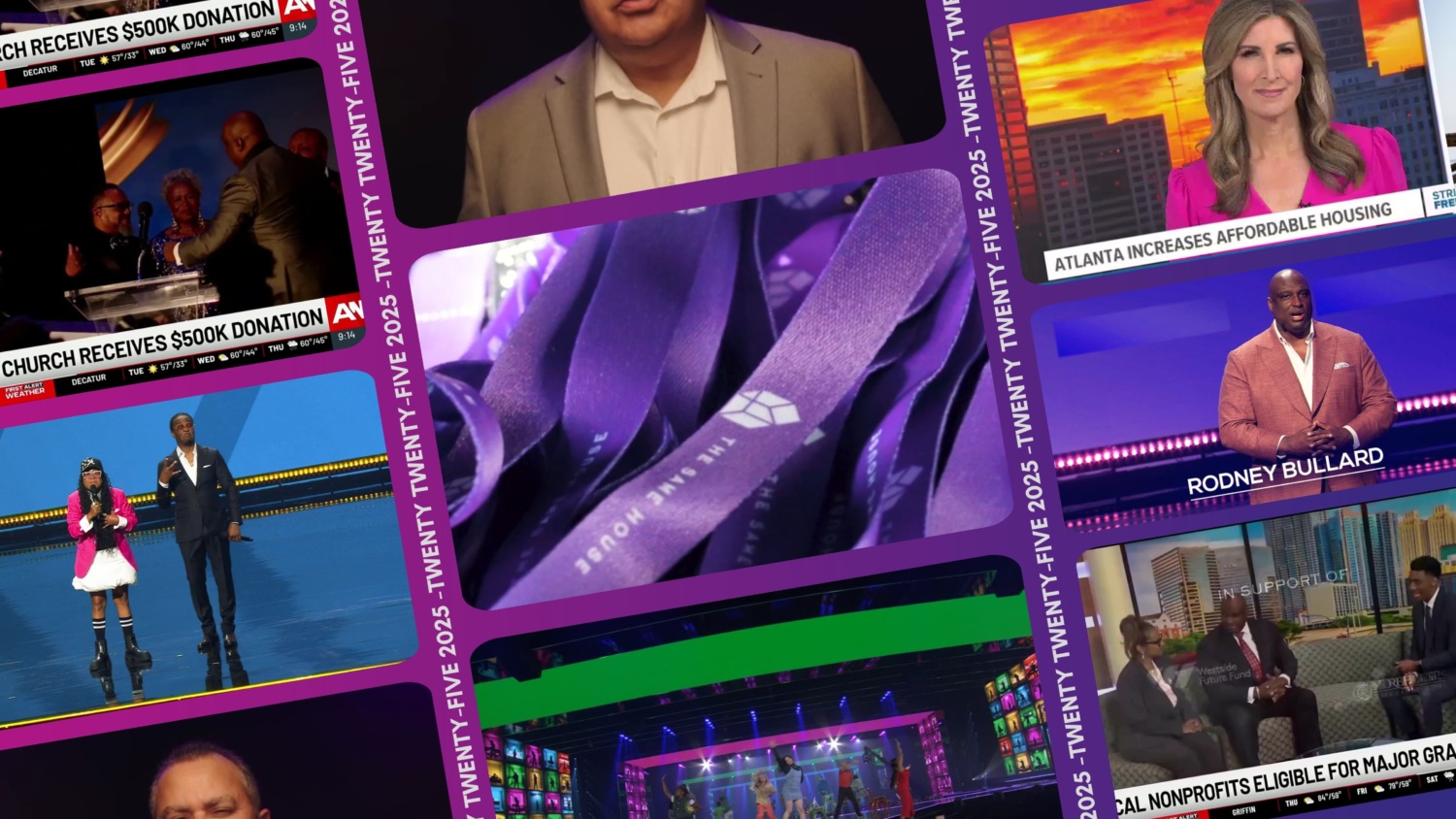
As we close out 2025, we also mark the passing of a quarter of a century. For many of us, especially Baby Boomers and Generation X, the last 25 years have felt fundamentally different from the 25 that came before. Technology has transformed nearly every aspect of our lives. Smartphones, computers, and social media have connected us instantly and globally. New marketplaces and opportunities for prosperity have emerged that would have been unimaginable just a generation ago.
And yet, despite all this connection, the economic and social gaps in our society have not closed. Instead, they’ve only gotten bigger. In October of this year, the wealth of the top 1% reached a record-breaking $52 trillion, meaning they now control three times as much wealth as the entire bottom half of humanity.
Why? It’s not because we lack the tools or resources, but because our systems weren’t created for everyone to prosper in the first place. Inclusion and connection are not impossible. They are simply not prioritized. In many ways, 2025 has laid bare a deficit of imagination when it comes to economic mobility and shared opportunity.
The Same House was born to challenge that reality.
This year, even in the face of a national assault on the values of inclusion, equity, and connection, we continued to do the work. And more importantly, we succeeded. We proved, once again, that working across silos is still the most powerful way forward.
Through Beloved Benefit 2025, we witnessed what is possible when businesses, nonprofits, celebrities, civic leaders, and community members come together with a shared purpose. Together, we raised more than $8.3 million to move the needle for Atlanta. Those funds supported eight incredible organizations advancing economic mobility, including Atlanta Technical College, Big Brothers Big Sisters of Metro Atlanta, City of Refuge, Latin American Association, Morehouse School of Medicine, New Life Community Alliance, Partners for Home, and Westside Future Fund.
Through three rounds of Beacon Voting, our community also uplifted nine additional organizations: LEAD, Silence the Shame, Georgia Hispanic Chamber, Free Rent.org, Nsoro Educational Foundation, Center for Black Women’s Wellness, House Proud, PAW Kids, and MUST Ministries. It was a joy to work alongside so many mission-driven teams who are meeting real needs across Georgia every day.
We also celebrated Youth Lead Georgia, which graduated its second cohort and selected its third, and hosted our Connected in the Same House boutique events in partnership with the City of Atlanta and DeKalb County, creating space for vital conversations and new collaborations.
Thank you to our sponsors, whose generosity supported many of our efforts: Chick-fil-A, The Home Depot, Georgia Power, Coca-Cola, and Smurfit Westrock. Their partnership made it possible for us to convene, invest, and follow through, not just celebrate.
Our staff evolved and grew this year, and I am deeply grateful for their collaboration and commitment to this work.
2025 may have been a year of uncertainty, but it was also a year when communities chose to work together, serve one another, and build bridges across divides. It reminded us of a simple truth: we truly all live and are connected in the Same House.
May you and your loved ones have a Merry Christmas, a joyful holiday season, and a Happy New Year. We look forward to building on this momentum together in 2026.
The Power of Unity During the Holidays

Growing up, the holidays were never about what we had, but about who we welcomed to the table. Those gatherings taught me that unity is something that requires action. After all, belonging is one of the greatest gifts we can give one another, simply by making room at our tables for those who could use a moment of connection.
This year, I encourage you to use this time to practice what I call radical hospitality: the choice to welcome, to include, and to make room even when it’s inconvenient or uncomfortable.
Traditions That Bring Us Closer
There are holiday traditions that stay with you forever, especially the ones that create a sense of togetherness. In my family, Christmas morning always began the same way. We gathered before the festivities started and prayed for our neighbors, our community, and anyone facing hardship during that season. It was a practice that reminded us that we were connected to a larger family beyond our own.
We also shared meals, told stories, and visited relatives and friends who might have spent the day alone. Sometimes we dropped off cookies to teachers, called people we had not spoken to in a while, or invited someone new in town to join our dinner table. These small gestures helped us pay attention to the people around us and showed us that connection is something we choose, not something that just happens.
These early experiences shaped how I think about leadership today. Unity takes root in the ordinary moments, in the places where we gather, and in the simple ways we show up for one another.
Hospitality as a Strategy for Healing
Today, communities across the country are wrestling with social division. Leaders in every sector, from business and government to faith and community, have an opportunity to respond in a way that is both strategic and deeply human. Hospitality is not just a holiday tradition; it is a powerful tool for social healing.
Leaders who practice hospitality create places where people feel valued. When someone is invited in, not just to sit but to truly collaborate, they begin to see themselves as part of the solution. That sense of belonging strengthens the very fabric that connects us together, and turns groups of individuals into communities that invest in one another.
Radical hospitality asks us to go a step further. It pushes us to include those who are often overlooked: the coworker who feels isolated, the neighbor who just moved in, the young person far from home, the elder who has lost loved ones, or the families navigating financial or emotional hardship. Many people feel invisible during the holidays. Maybe they are grieving. Maybe they don’t have strong family connections. Maybe they feel disconnected from their community. Maybe they simply don’t feel like they belong anywhere.
Unity can only happen when we pay attention to those who feel left out and make the intentional choice to invite them in. It’s easy to show up for our family and friends, but it’s another thing to show up for someone who does not have a built-in support system to lean on.
This is the heart behind our Tables Across America initiative. Tables Across America brings intimate, high-impact gatherings to cities nationwide. Over shared meals, local business, nonprofit, and community leaders sit down together and talk about the needs in their communities and how they can each do their part to address them. It is designed to create a national family of people committed to building The Same House. These tables create space for people who might otherwise never have crossed paths to imagine solutions together. That is radical hospitality. It is the intentional act of widening the circle so more people feel they have a seat and a stake in the game.
A Call to Radical Hospitality
As we step into this holiday season, I want to offer you a simple challenge: practice radical hospitality.
Open your home, your table, or simply your time to someone who may feel left out this year. Look around your community with a fresh perspective and ask yourself:
Who needs a place to belong? And how can I help create it?
During this season, may we be the ones who make room. And in doing so, may we build the kind of community where everyone feels like they have a place to call home.
Thanksgiving: A Tradition of Unity in a Divided Nation And Why Its Original Purpose Matters More Than Ever for The Same House Today

Every November, people across America gather around the table. We pass plates of comfort food, share stories of our favorite memories with our loved ones, and pause long enough to feel grateful for the beautiful things in our lives. But the story behind Thanksgiving is much deeper than a holiday meal. It was created to bring a divided nation back together, and that original purpose feels especially important today.
At the center of that history is a woman who believed fiercely that unity was not only possible, but essential.
Sarah Josepha Hale, The Mother of Thanksgiving
Known today as the “Mother of Thanksgiving,” Sarah Josepha Hale was many things: a writer, an abolitionist, an early advocate for women’s education, and the editor of Godey’s Lady’s Book, one of the most influential publications of the 19th century.
For 17 years, she campaigned tirelessly for a national day of gratitude. She wrote article after article, sent letters to governors and presidents, and made her case to anyone who would listen. Her conviction was simple but powerful: If the entire nation—North and South, rich and poor, rural and urban—could stop for a single day and give thanks together, Americans might remember their shared identity, shared values, and shared future.
Thanksgiving, she believed, could act as a sort of civic reset button. A reminder that despite our differences, we belong to the same national family.
Lincoln, the Civil War, and a Holiday Meant to Heal
Sarah’s pleas finally reached President Abraham Lincoln in 1863, when the Civil War was at one of its darkest points. More than 600,000 Americans had lost their lives. Families and communities were torn apart. Trust in the nation was hanging by a thread.
Lincoln understood the power of a symbolic act, and that shared rituals could create a sense of belonging when everything else felt uncertain.
That year, he called for the first official national Thanksgiving. He invited all Americans to gather on the same day to reflect with humility and gratitude. It was more than a proclamation. It was a message to a broken nation that we were still one people.
Thanksgiving was created in a time of incredible division, but quickly became a symbol of unity. It was meant to draw us back to one another.
The Same House: Continuing the Work of Unity
Today, America stands at another moment of division. Political lines have hardened, trust has eroded, and communities often speak past each other instead of to each other. It can feel as though we are not simply divided politically, but divided socially, culturally, and spiritually.
But the original purpose of Thanksgiving asks us to remember a simple truth: we all live in the same house.
This belief is at the heart of our work. The very idea of The Same House is rooted in the idea that the future of this country depends on our ability to come together, to see one another, and to rebuild the bonds that keep our communities strong.
We carry forward the same vision Sarah Josepha Hale and Abraham Lincoln shared: that unity is not naïve; it is necessary. That gratitude is not passive; it is active. And that peace is not a wish; it is something we must build together, block by block, table by table, community by community.
Why Thanksgiving Matters Now More Than Ever
In a season filled with heated rhetoric and fraying trust, Thanksgiving calls us back to who we are, not as partisans, not as opponents, but as neighbors.
It invites us to:
- Pause before we judge.
- Listen before we argue.
- See each other before we dismiss each other.
- Give thanks before we give up.
When we come together this season, we honor the belief that unity is still possible. That the same spirit that helped hold the nation together during the Civil War can help us mend the divisions of today.
The same spirit that helped steady the country during the Civil War can help us mend what feels broken today.
Thanksgiving was created for such a time as this.
And so was The Same House.
A Call to Remember
As we celebrate this year, may we remember that Thanksgiving was born from the hope that one shared day could help heal a broken nation.
May we remember Sarah Josepha Hale’s radical belief in the power of unity.
May we remember Lincoln’s courage to call a nation to gratitude amid war.
And may we recommit ourselves to the work of building a country worthy of our children. One where all of us, no matter our differences, can say:
We live in the same house.
And in this house, we are stronger when we choose each other.
Economic Mobility Beyond Charity
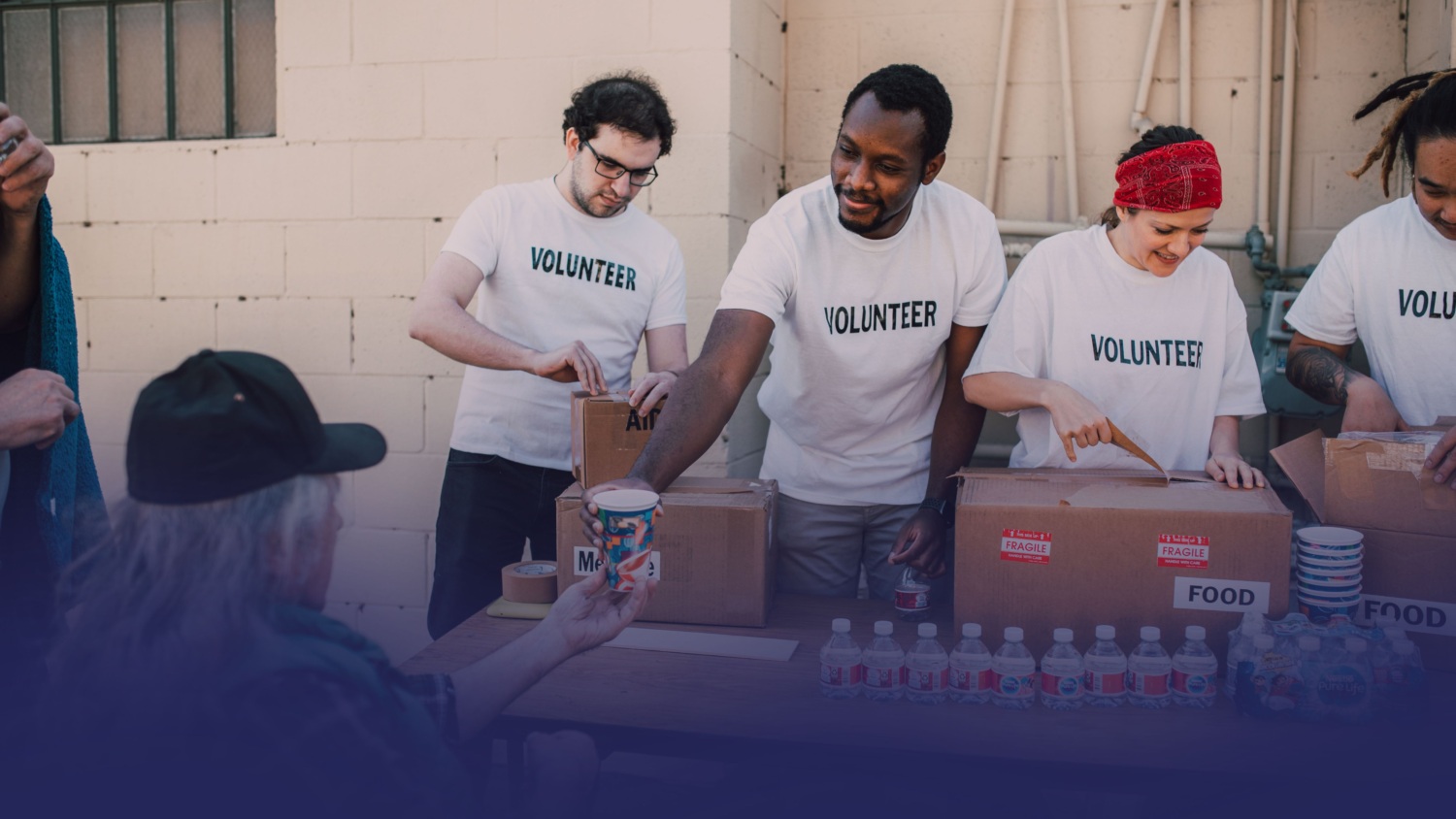
There is an important difference between charity and change. Charity starts with good intentions: a meal served, a donation made, a need met for a moment in time. But real change calls us to look deeper. It challenges us to move beyond generosity and begin building systems that provide people with lasting opportunity and stability.
True equity is not a matter of how much we give, but how well we create the conditions for people to thrive. Economic mobility, the ability for individuals and families to move forward, to build a future, is both a moral and structural challenge. It’s about whether our systems lift people up or hold them back.
This is the kind of work that calls us not just to act, but to rethink how we define help in the first place.
The Limits of Charity
Charity meets urgent needs and can spark compassion in powerful ways. But charity alone is not enough. Too often, it provides temporary relief without addressing the root causes of why the need exists in the first place.
Efforts like donating to a food drive or volunteering at a shelter are incredibly important, as they meet people where they are and provide relief when it’s most needed. But for those of us in positions to influence systemic change, we have a responsibility to go deeper, to tackle the conditions that cause hunger and housing insecurity in the first place. That means creating sustainable access to living-wage jobs and affordable housing that lasts.
True change happens when we pair compassion with strategy. It’s not enough to ease the symptoms of inequality. We have to change the very systems that produce them.
The goal isn’t to feel good about giving; it’s to build communities where giving isn’t the only way people survive.
Economic Dignity in Practice
Economic dignity means more than financial security; it means being able to stand on stable ground. It’s the freedom to not just get by, but to participate fully in community life.
The Same House continues to invest in efforts that restore community and expand opportunity through collaboration and service. The Beloved Benefit honors and invests in groups working to strengthen our neighborhoods, from supporting education to creating jobs that offer real mobility. From programs that prepare young people for careers to community initiatives that increase access to housing and healthcare, these efforts all share the same belief: that people deserve not just short-term charity but help in creating a stable future of their own.
At The Same House, every program, every event, every relationship is rooted in the belief that everyone deserves the chance to thrive within the house we all share.
Aligning for Impact
No single sector can solve the challenge of economic mobility alone. Business leaders, government agencies, faith organizations, and community groups each hold a vital piece of the puzzle.
When government leaders focus on policies that ensure access to affordable housing, education, and healthcare, it lays the groundwork for lasting change. When faith and community organizations offer mentorship, connection, and hope, they remind us of our shared humanity.
Alignment across sectors and across our differences is how we move from single moments of impact to systems of change. Dignity-centered approaches are what strengthen communities. They make our economy and our collective future more resilient.
From Charity to Change
As we look around our own communities, I ask that you take a moment to consider: Where can my skills, time, or resources help dismantle barriers to economic and social mobility?
Progress begins when we act with purpose, not just with generosity, but partnership, commitment, and respect.
Gratitude as a Leadership Practice By Rodney Bullard
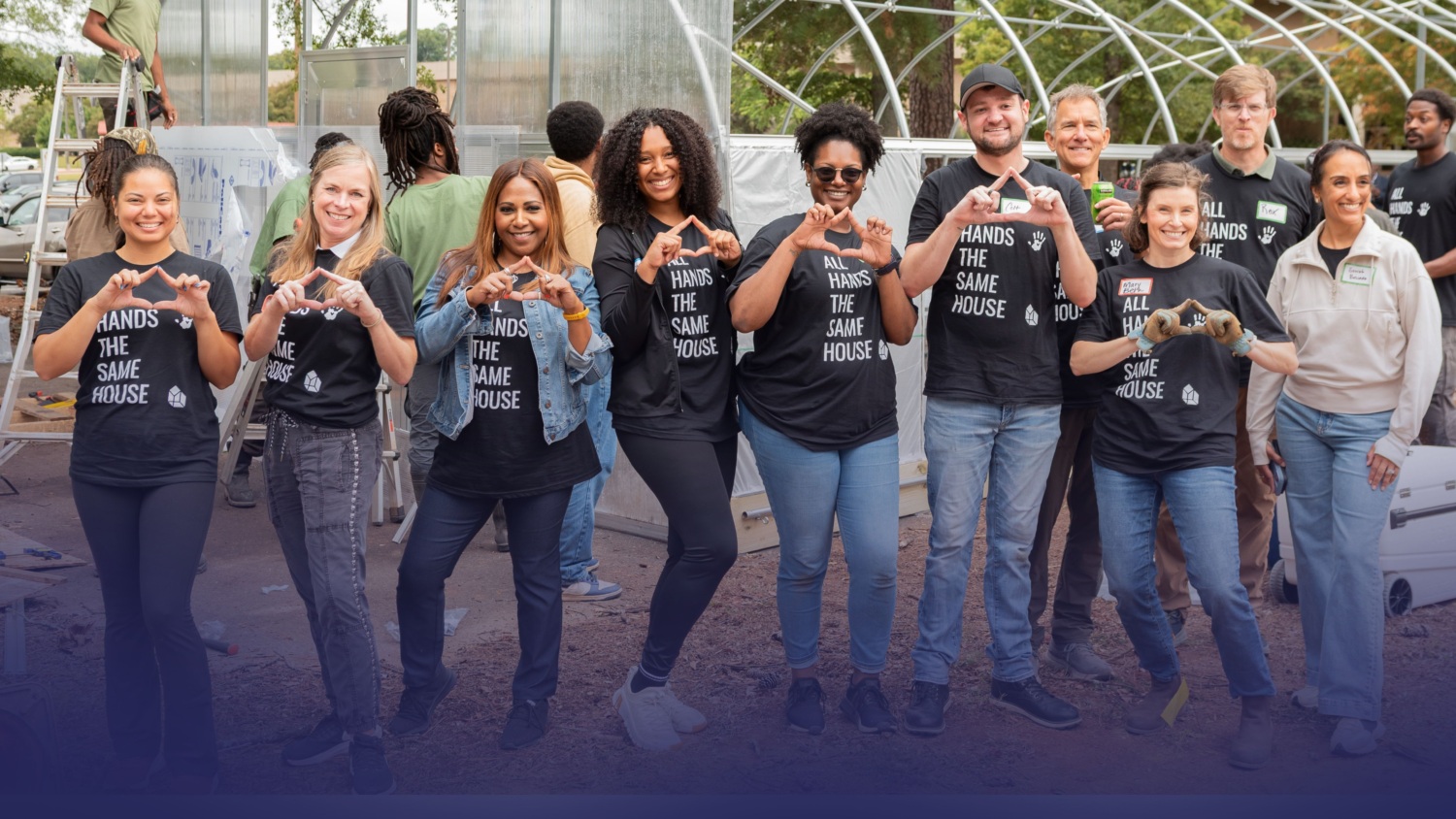
Gratitude is often seen as a soft sentiment, a polite “thank you,” or a brief gesture of appreciation. But when it comes to leadership, gratitude is about so much more. I am constantly reminded that the greatest moments of clarity usually come when I have taken a pause to truly give thanks. For the opportunities before me, for the lessons I have learned along the way, and most importantly, for the people around me. And this season in particular is the perfect time to slow everything down and allow our focus to shift from what we lack to what we have. From what divides us to what connects us at the end of the day.
Gratitude helps keep us grounded. It is there to show us that leadership is not about recognition but about creating relationships where care is extended on both sides. For me, gratitude has many times been the anchor that allows me to lead with passion, not power. It grounds me in the understanding that leadership is not about standing above others but standing with them.
The Power of Gratitude and Humility
A true leader does not measure themselves with titles, but with the strength in their relationships. Strong leadership depends on relationships grounded in trust and mutual respect. And humility is what makes that all possible. Leaders who value the contributions of others and take time to express genuine gratitude create teams that can make it through any challenge.
Gratitude shifts the focus from hierarchy to collaboration. Meaningful progress is rarely a solo act. It happens when people feel part of something larger than themselves. When leaders celebrate collective wins instead of individual power, they build the kind of loyalty and engagement that keeps their teams motivated long after they leave the room.
Chobani offers a powerful example of how gratitude can guide leadership in action. Founder Humadi Ulukaya often says that the company’s biggest success belongs to everyone who helps make it possible. In a substantial expression of gratitude, Chobani grants employees a large range of benefits, including a financial share of stock ownership, access to an Employee Assistance Fund for hardship, and a program that allows employees to give out bonus currency to colleagues. This recognizes that each and every team member is essential to the growth and purpose of the company. This is a clear practice of gratitude and leadership in action; it shows that gratitude is much more than words, it’s a way of leading, recognizing, and strengthening relationships. By leading with gratitude, Chobani has built a culture deeply rooted in trust, respect, and shared success. This is a model that continues to inspire how good businesses and leaders use gratitude every day to achieve goals.
Lessons in Gratitude
At The Same House, gratitude is the foundation of our partnerships, programs, and the community we’re building. Gratitude is at the heart of everything we do because it reminds us that we cannot succeed alone. Whether through events like the Beloved Benefit, which unites unlikely partners in a shared purpose, or through initiatives like Hands on Atlanta Week that allow community members to connect in the name of service, our collaborations are always fueled by gratitude.
Through this work, we have learned that gratitude is not passive. It lives in how we listen, show appreciation, and use our position to uplift others. It is expressed in the calls we make, the mentorship we offer, and the commitment we show to the people around us.
When leaders live out gratitude in this way, they build a sense of empathy that strengthens every relationship. They create spaces where people feel valued, supported, and inspired to contribute. In that environment, collaboration replaces competition, and connection becomes the foundation for lasting progress.
A Call to Gratitude in Action
As we enter this season of reflection, I hope we can each take a moment to lead with gratitude, to pause and to thank everyone around us. I encourage you to commit to one act of bridge-building this season. Write a note of appreciation, have a conversation despite the differences, or offer your time to serve a cause greater than yourself.
Every act of gratitude brings us one step closer to the Beloved Community we all want to build.
Honoring the Everyday Heroes Who Build Beloved Community By Rodney Bullard
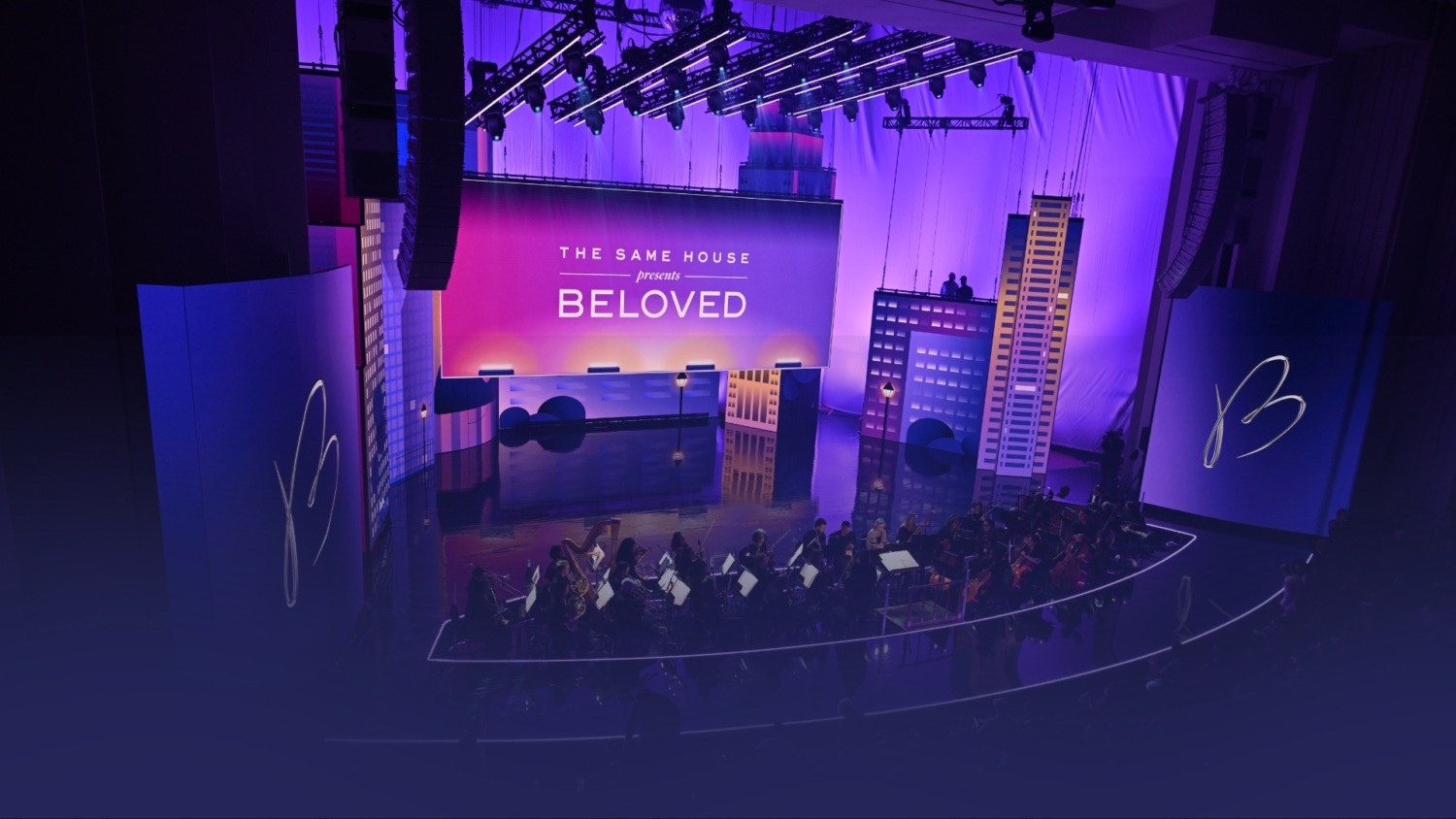
On Thursday, August 14, more than 1,500 people came together under one roof for the 2025 Beloved Benefit. We gathered in the spirit of Dr. Martin Luther King Jr.’s vision of the Beloved Community and the late Congressman John Lewis’s words, united by a shared belief: if you are born into poverty in Atlanta, you should not face the steepest climb out of poverty of any of America’s 50 largest cities.
The Beloved Benefit exists to change that. It is about promoting social and economic mobility and creating a city where your ZIP code does not determine your future. This year’s event reflected the power of what happens when business, culture, and community lock arms in common purpose.
We saw corporations like Chick-fil-A, Georgia Power, The Arthur M. Blank Family Foundation, Truist Charitable Fund, The Home Depot Foundation, UPS, Coca-Cola, Wells Fargo, and more make tangible commitments to this vision. We heard the voices of artists and cultural leaders, including T.I., Ludacris, Maria Taylor, and Rickey Smiley.
Everyday Heroes at the Heart of Beloved
Time and time again, what makes the Beloved Benefit so powerful is the people behind the scenes. It is the countless volunteers who gave their time, energy, and effort to make the evening possible. From setting up tables to welcoming guests and lending a hand wherever it was needed, these men and women embodied the very spirit of service. Their willingness to step forward is what makes Beloved not just an event, but a movement carried by the hands and hearts of many.
It is also the beneficiaries we celebrate, who embody what it means to be an everyday hero. They are on the ground each and every day, fighting to create opportunities across Atlanta. City of Refuge provides safe housing and job training for families in crisis. The Latin American Association empowers immigrants and their children to thrive. Morehouse School of Medicine advances health equity across our neighborhoods. Big Brothers Big Sisters of Metro Atlanta connects mentors with young people who simply need someone to believe in them.
And behind every one of these organizations are the people they serve. The single mother who finds a permanent home for her family through Partners for Home. The student at Atlanta Technical College who graduates with the skills to change the trajectory of his future. The parent supported by New Life Community Alliance who can now provide stability for their children. The longtime Westside resident who, with the support of Westside Future Fund, is able to see their neighborhood thrive once again.
Last but certainly not least, we had the privilege of honoring two leaders whose influence has shaped this event from the very beginning: Arthur Blank and Dan Cathy. Both were instrumental in the very first Beloved Benefit, and this year, they both received our Lifetime Achievement Award for their extraordinary leadership throughout Atlanta and beyond.
The Work Ahead
The Beloved Benefit is a celebration, but it is also a call to action. The challenges facing Atlanta will not be solved in a single night or by a single organization. They will be solved when each of us takes ownership of the community we share, when we fight the real fights, not against each other, but against the barriers that keep us divided.
One way to start is by getting involved directly. This October, you can do just that through Hands On Atlanta Week, an opportunity to roll up your sleeves alongside neighbors and make a difference in our city.
Sign up to volunteer here.
Leadership That Listens: How to Show Up in Service of the Moment By Rodney Bullard
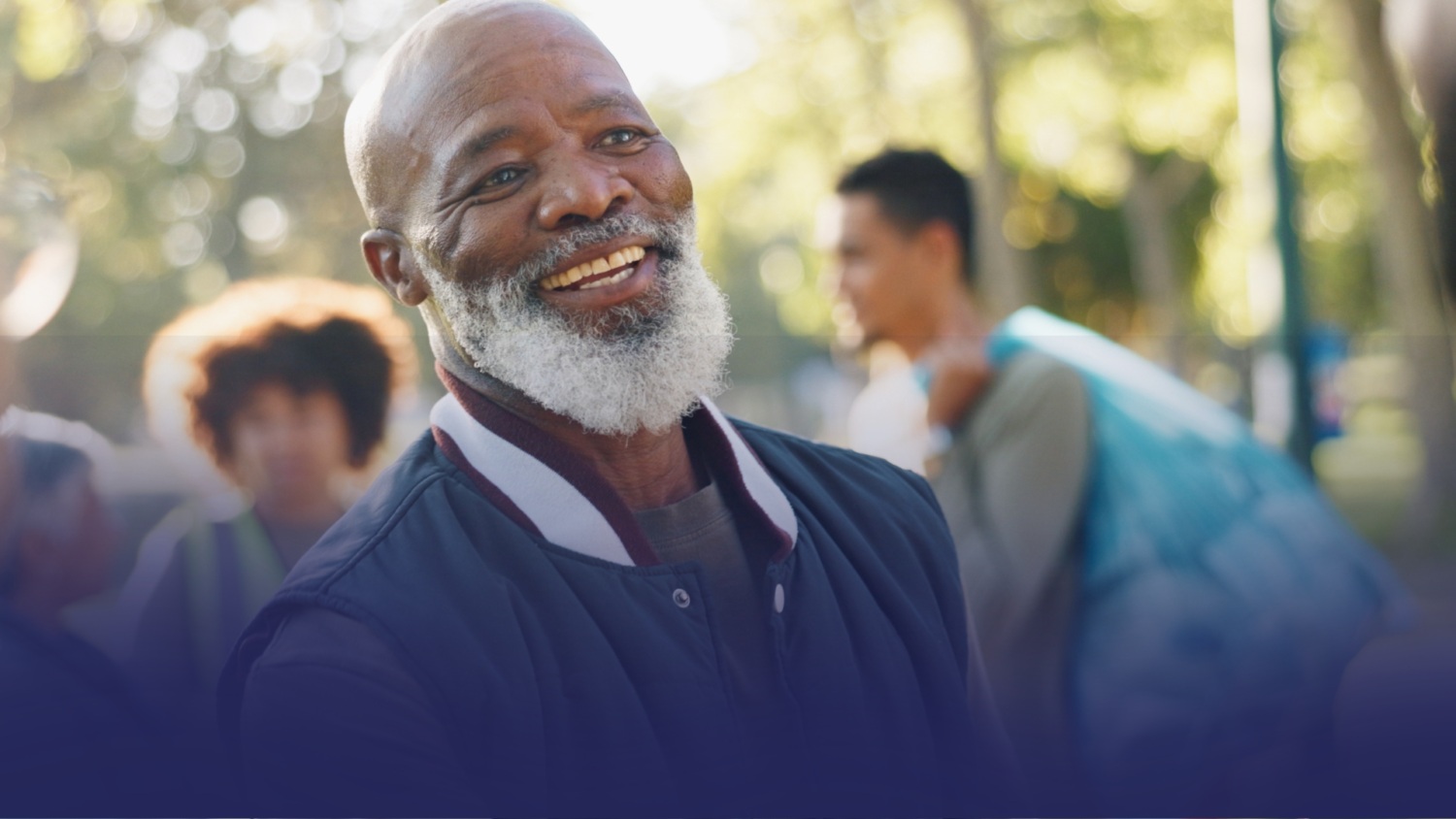
It’s easy to mistake urgency for leadership, especially when speed and noise seem to be rewarded the most. But the most impactful leaders aren’t necessarily the ones who speak first or move fastest. They’re the ones who make space to listen.
To me, listening is not just a leadership skill. It’s an act of service. It’s how we honor the people around us. When my first instinct is to react, I’ve found it best to stop and ask myself, What does this moment truly need?
This approach has shaped not only how I lead, but why I lead, and it’s at the heart of our work at The Same House. We don’t just gather to talk. We gather to listen, reflect, and act with purpose.
Listening, Then and Now
The work of The Same House, and the inception of the Beloved Benefit, didn’t start with a grand plan. It started with listening.
Through both my professional and volunteer efforts, I had a front-row seat to the everyday challenges facing communities across Atlanta and beyond, from the erosion of human connection to the persistent lack of economic mobility. I was hearing stories, meeting people, and sitting in spaces where pain and hope lived side by side. I learned early on that before we could talk about solutions, we had to truly understand the depth of the need.
That understanding took on new meaning in 2012, when we led Chick-fil-A’s efforts to engage with Atlanta’s Westside. This work grew into a series of initiatives, including the launch of the Westside Summit, the opening of a Chick-fil-A restaurant in the neighborhood, and, in 2019, the creation of the Beloved Benefit: an event that now supports organizations making a difference not only across Atlanta but throughout Georgia.
Beloved Benefit isn’t your typical fundraiser; it’s a gathering designed to honor Atlanta’s rich diversity and elevate the voices that too often go unheard. For the very first benefit, we partnered with local creators, thinkers, and organizers to co-create every aspect of the experience. What emerged was more than an event. It was a space for connection, reflection, and collective action.
Slowing Down to Do More
When you witness injustice or hardship, the instinct is often to act, to fix, to do something right away. I felt that same urgency when I attended Atlanta’s Westside in 2019. I wanted to create immediate change. But you have to earn the right to care. Those community members didn’t need a savior. They needed partners who were willing to slow down, build trust, and honor what was already happening on the ground. And because we took the time to listen, we ended up with an impact that no amount of planning could have made happen on its own.
Now, I know that not every moment calls for action right away. Sometimes, the most important thing we can do is to simply be present. To listen with empathy and patience. And then, when the time is right, to act with purpose.
Step Into Service With Us
If you believe in this kind of leadership rooted in listening, then I invite you to take The Same House Pledge. It’s more than a promise. It’s a commitment to show up for one another, to lead with love, and to build bridges where others build walls.
At its core, The Same House Pledge is about turning values into action. It asks each of us, regardless of title, to listen before we speak, to serve before we’re seen, and to lead with humility, continuously guided by the belief that every person deserves dignity and opportunity.
When you take the pledge, you’re helping create a new approach to leadership where community, compassion, and connection come first.
Will you join us?
Rooted in Legacy: The Same House and the Words of John Lewis By Rodney Bullard
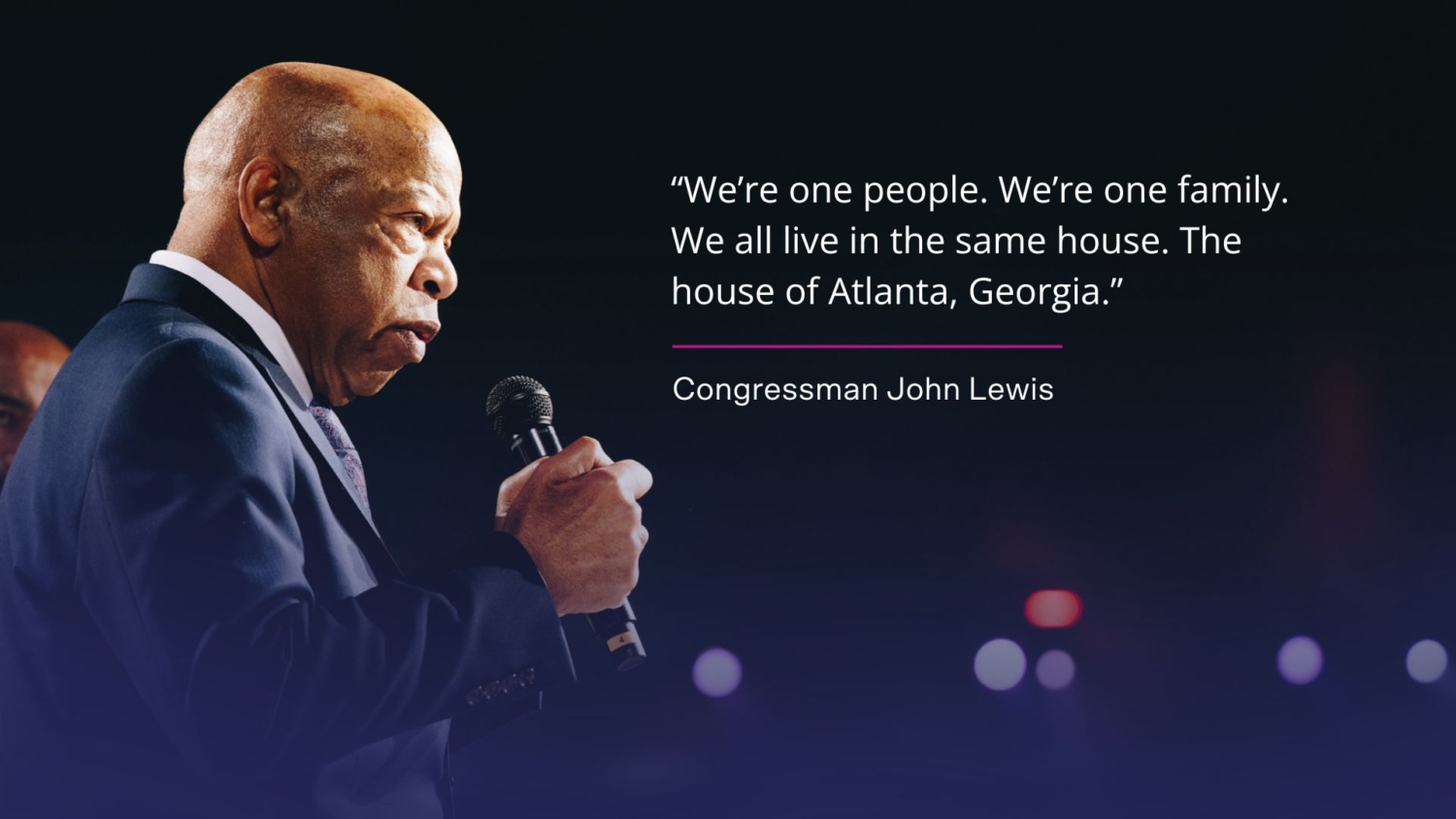
I still remember the 2019 Beloved Benefit like it was yesterday. It was Congressman John Lewis’s last public appearance, and his presence was a powerful reminder of what it means to lead with courage and conviction. He spoke the words that have since become the foundation of The Same House: “We’re one people. We’re one family. We all live in the same house. The house of Atlanta, Georgia.”
Congressman Lewis spent his life fighting to make the world a more compassionate place for all. He believed deeply in our shared humanity, in the idea that we rise and fall together, that we are responsible for one another, and that progress only happens when we come together.
At The Same House, we carry those words with us. They are our past, our present, and our future. Because if we truly believe we live in the same house, then we must also believe in not only caring for that house but also for everyone who lives inside.
Answering the Call of His Legacy
Today, those words can carry even more urgency.
Atlanta is a city of possibility and progress. It is home to world-class universities, Fortune 500 companies, a booming creative economy, and the cradle of the Civil Rights Movement. But it’s also home to the largest wealth gap in the United States. A child born into poverty in Atlanta has only a 4% chance of escaping it. Someone who lives in Grove Park has a life expectancy 20 years shorter than someone who lives in Buckhead.
These numbers, these lived realities, reflect how our social divides have become economic ones, where our zip codes play a huge role in determining our opportunity.
At a time when division is loud and unity feels distant, revisiting Congressman Lewis’s ethos is more important than ever. He taught us that hope is not passive, but active. His words challenge us to move beyond complacency toward tangible solutions. They ask us to see one another not as strangers or competitors, but as neighbors, as family.
Supporting Those Who Do the Work
That’s why The Same House exists: to close the gap between promise and reality. We convene leaders across sectors. We bridge the public and private. We invest in communities too often left behind, because a house divided cannot stand. But a house united can rise, rebuild, and reimagine what’s possible.
Our signature Beloved Benefit lifts up this vision by shining a spotlight on the organizations doing the work on the ground. This year’s beneficiaries represent a cross-section of Atlanta’s commitment to care for all who call this city home. They include:
- Atlanta Technical College, providing pathways to workforce development and economic mobility.
- Big Brothers Big Sisters of Metro Atlanta, investing in the power of mentorship and relationships.
- City of Refuge, offering support to help individuals and families transition out of crisis.
- Latin American Association, offering resources, support, and a sense of community for Latino families throughout Georgia.
- Morehouse School of Medicine, training the next generation of practitioners to improve the well-being of our communities.
- New Life Community Alliance, erasing the legacy of poverty in South DeKalb neighborhoods.
- Partners for Home, coordinating solutions to end homelessness across the city.
- Westside Future Fund, advancing a compassionate approach to neighborhood revitalization on Atlanta’s Westside.
The Beloved Benefit is not just a celebration of their work, but an opportunity for all of us to rally around it.
Be a Part of What Comes Next
The Beloved Benefit returns this year on August 14th at the Woodruff Arts Center with a renewed commitment to carry forward the legacy of Congressman John Lewis.
I invite you to join us and be a part of the moment when Atlanta comes together to celebrate and, most importantly, to act. Through performances, storytelling, and powerful calls to service, the evening lifts up those working tirelessly to close the gaps that keep our city divided.
John Lewis once reminded us, “Nothing can stop the power of a committed and determined people to make a difference in our society.” That kind of difference doesn’t come from one person or one moment. It comes from communities showing up for each other, again and again.
We hope you’ll join us in supporting these organizations and the future they are creating, together.
Civic Courage: What It Means to Stand Firm in Divisive Times By Rodney Bullard
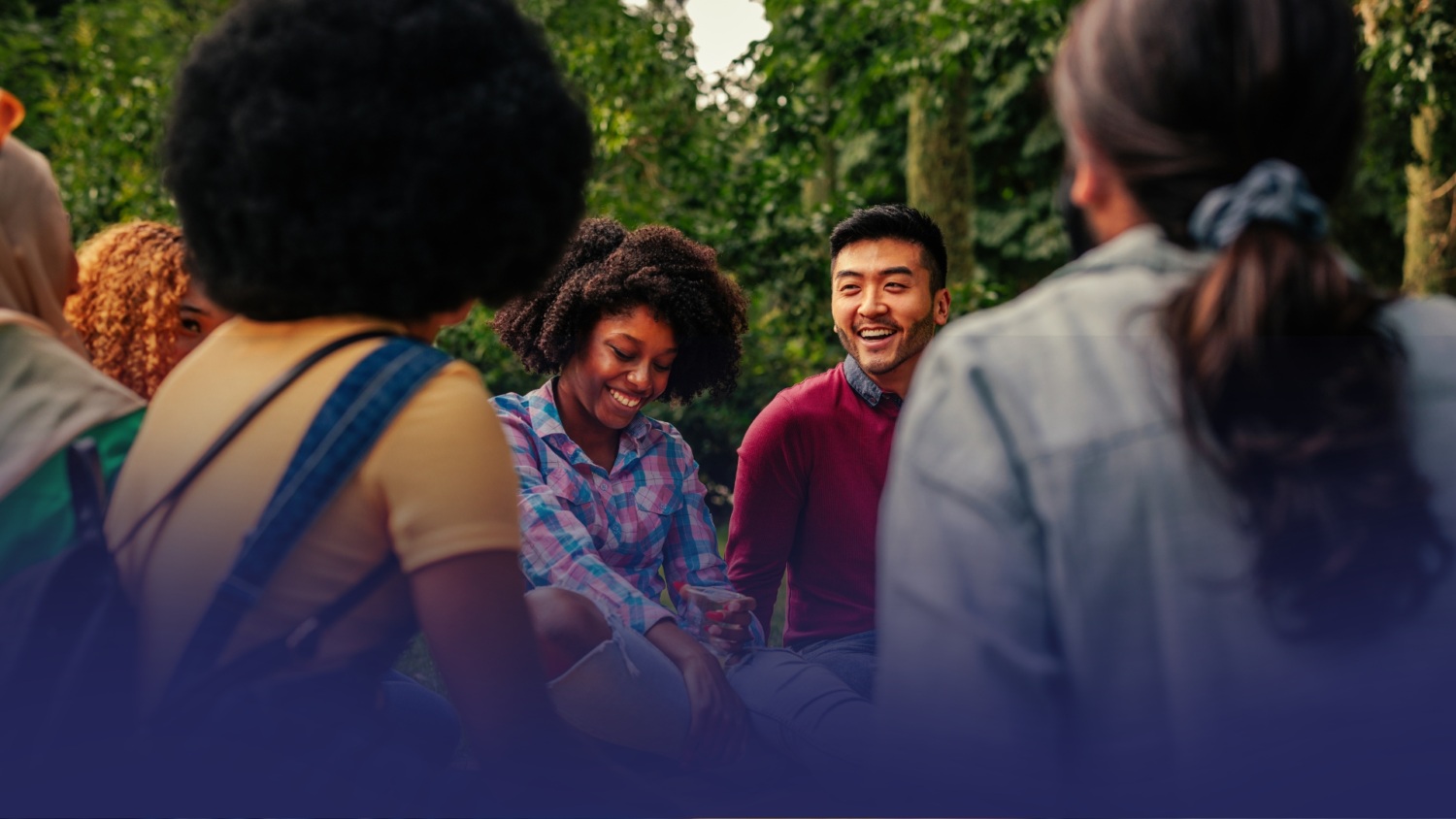
Following July 4th, I find myself thinking about what it truly means to live in a free and fair society. Our collective national celebrations invite us to reflect on the foundational values that shaped this country: liberty, equality, and the responsibility we share for one another. However, ideals alone do not sustain a democracy. They must be upheld, especially when they are tested. Civic courage is the choice to stand firm in those moments. It is the strength to lead with conviction when it is difficult, and the clarity to seek unity when division seems like the norm. And it is these moments of courage that are needed now more than ever.
Lessons from a Life in Service
Throughout my journey in public service, I have witnessed this kind of courage firsthand. As a White House Fellow, an Air Force JAG officer, and an Assistant United States Attorney, I learned that doing what is right is not always popular, and doing what is popular is not always right.
In each of those roles, I came to understand that leadership is not just about the position you hold, but about your willingness to act with integrity even when no one is watching. That belief continues to guide my work with The Same House, which was founded on the understanding that our communities need more than words. They need commitment, accountability, and leaders committed to bringing people together across the lines that are meant to keep us apart.
It can be tempting, especially in times of division, to choose silence over discomfort. But civic courage calls us to move forward with intention, even when the path ahead is unclear. It asks us to remain steady in our values, even when it would be easier to walk away.
Everyday Acts of Courage
Civic courage does not belong only in roles of influence. It lives in the everyday choices made across neighborhoods around the world. I think of those who have taken part in Tables Across America, an initiative from The Same House that brings together people together from all walks of life to share a meal. It’s where community members create spaces for connections, conversations, and common ground. At one gathering in Indianapolis, for example, a retired teacher and a young entrepreneur bonded over their shared hopes for their community, despite having never met before. These moments show what’s possible when we choose unity over division.
Courage doesn’t always show up in a grand gesture. Sometimes, it’s as simple as checking on an elderly neighbor, volunteering your time to ease someone’s loneliness, or choosing to listen with compassion instead of reacting with judgment. It lives in how we show up for each other: consistently, generously, and without the need for recognition.
It starts with pausing our own routines long enough to notice who around us might need some extra support. Maybe it’s mentoring a student, serving meals at a shelter, or simply being someone others can rely on. It is these small everyday choices that help us rebuild the fabric of our communities one relationship, one action, and one moment of courage at a time.
Choosing to Build a Better Future
Right now, choosing connection over conflict can feel like going against the grain, but that is exactly when courage matters most. Civic courage isn’t about winning arguments. It’s about choosing to lead with integrity and staying grounded in your values, even when it feels lonely.
So, what kind of community are we creating? What kind of future are we shaping for the next generation? I pose these questions to you as an invitation to act, to serve, and to lead in ways that bring us closer together, not further apart.
While it’s clear that we’re in the midst of a sharp and often divisive political fight, we must remember that our greatest call to action is not to a party or a platform, but to one another as people, as Americans. In times of uncertainty, it’s essential to hold fast to the values that define us: a just society that recognizes strength and compassion, hard work and opportunity, and the unwavering belief in democracy and human dignity. These principles have carried us through conflict and change, and they must continue to guide us now. Amid the noise, let us not forget that the strength of our nation lies in our shared commitment to these enduring ideals. Let us always remember what we are fighting for.
Fathering the Future: A Call to Build with Purpose By Rodney Bullard
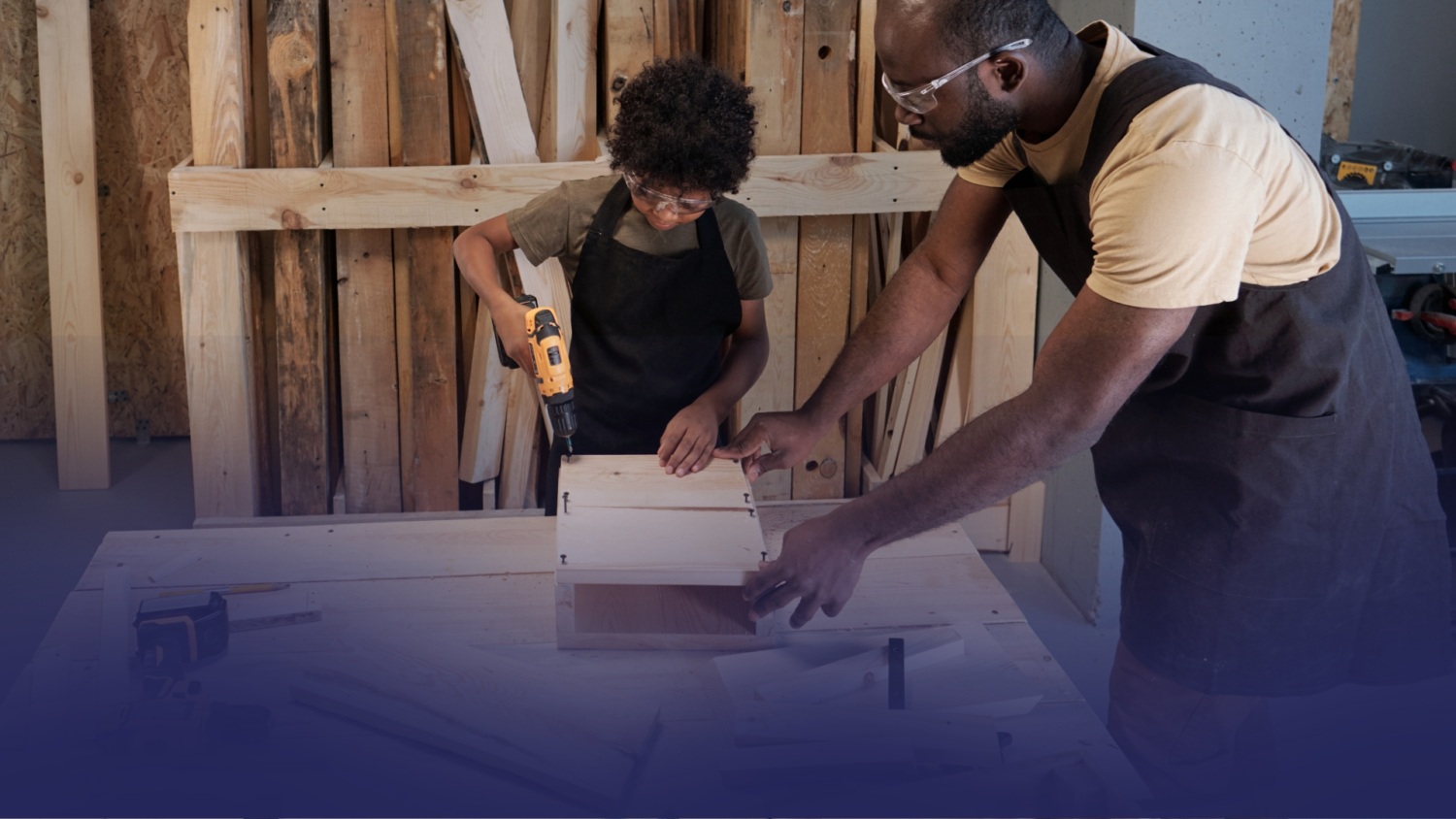
Father’s Day is a time to honor the men who have raised us, guided us, and loved us. That recognition matters. But this season also invites us to reflect more deeply on what it means to “father” something. Fathering goes beyond family; it’s the act of caring for something, protecting it, nurturing it, and helping it grow. This kind of responsibility isn’t limited to parents or men, in particular. No matter your title, your background, or your role, you have the ability to shape something meaningful. A relationship, a neighborhood, a possibility. And in a world where so much is uncertain, the real question is: What are we creating, and for whom?
To father is to accept responsibility not just for what we carry today, but for what we leave behind. It means showing up when it would be easier not to. It means tending to something consistently, even when progress is slow or the outcome unpredictable. This is the kind of leadership that is rarely loud. Often, it’s quiet and stable. But over time, it becomes the difference between disconnection and belonging, between fractured communities and a shared sense of home.
Lessons from the People Who Raised Me
I grew up the son of a Baptist minister and an educator. My father taught me the quiet strength of humility and service. My mother showed me how to lead with heart. They believed in people. They believed in showing up. Whether in church or in the community, they lived their values and left a mark on every life they touched. From them, I learned that leadership isn’t about power or position. It’s about presence. It’s about guiding someone toward their potential and investing in their growth, even when no one is watching. Every time we mentor a young person, support a neighbor, or make space for someone to thrive, we are fathering something that matters.
I carry their example with me every day in my work, in my relationships, and in the way I try to lead and act with intention. They both taught me that fathering is an act of trust. You don’t always get immediate results, but you keep showing up because someone else’s future might depend on it.
Planting Seeds for the Future
That spirit is alive in the work we do at The Same House, especially through the Bullard Community Champions. I’ve watched students step into leadership roles not because they had to, but because they chose to. These moments of choice and courage plant seeds that will shape communities for generations. The inaugural class of champions is exemplifying this idea of fatherhood: to put people first, to take responsibility not just for yourself, but for the future of your community.
I think of the students who created mentorship programs for immigrant youth, launched mental health initiatives, and built new spaces for belonging. These weren’t just school projects. They were real responses to real needs. And standing alongside these students were parents, teachers, and mentors who didn’t take over but instead created space to help bring those visions to life.
Choosing to Build with Intention
So, what are we building, and who are we building it for? What kind of legacy are we leaving with the choices we make today?
Fathering doesn’t require a title. It begins and ends with the decision to make something better for someone else. Let’s choose to be builders not just of programs or projects, but of people. Whether you’re leading a family, a business, a classroom, or a community, your role matters. Our shared future will not be shaped by position or prestige, but by the everyday choice to care deeply and act with intention.
This is the kind of fatherhood our world needs: not rooted in authority, but in responsibility. Not driven by ego, but by empathy.